






The Kitchen Trick Your Body Is Begging You to Learn
expert, nutritionist
It sounds almost too simple: the order and combination in which we eat food can matter as much as the food itself. Science has been quietly confirming this for years, and the good news is that none of it requires a shopping list of superfoods or expensive supplements — just a little rearranging of what's probably already in your fridge.
Here are five nutrient pairings, backed by research, that help your body actually use more of what you eat.
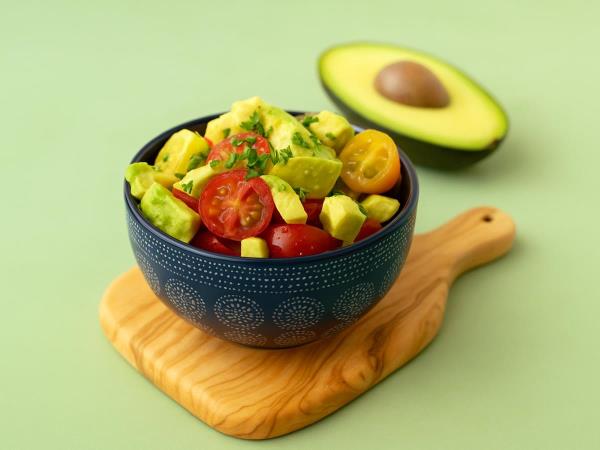
1. Lycopene and Healthy Fats: Tomato + Avocado
Tomatoes are rich in lycopene, the red antioxidant pigment that helps protect cells from everyday oxidative stress. But lycopene is fat-soluble — it needs a source of fat traveling through your gut at the same time in order to be absorbed efficiently.
A controlled study from Ohio State University, published in the Journal of Nutrition, found that adding avocado to tomato salsa increased lycopene absorption by 4.4 times compared with salsa alone, and beta-carotene absorption by 2.6 times. Researchers estimate you need somewhere around 5–15 grams of fat alongside your tomatoes for a meaningful absorption boost — easily covered by a drizzle of olive oil or a few slices of avocado.
A broader 2025 dose-response analysis in Frontiers in Nutrition also linked higher lycopene intake with modestly lower cancer risk across dozens of prospective studies — though as with most nutrition research, this reflects a population-level association rather than a guarantee for any one person, and lycopene should be seen as one small piece of an overall healthy diet, not a treatment for anything.
Related reading: Foods We Use Incorrectly and Advice Against Cancer: Roasted Tomatoes with Garlic.
2. Folate and Vitamin C: Spinach + Lemon
Folate (vitamin B9) supports cell division, nerve development, and healthy red blood cell formation, which is part of why it's emphasized so heavily during pregnancy. Vitamin C appears to help the body make better use of dietary folate, which is one reason a squeeze of lemon over a fresh spinach salad is more than just a flavor choice.
The evidence for folate specifically is less quantified than for iron, but the underlying mechanism — vitamin C supporting the stability and uptake of B-vitamins from plant foods — is well established. According to the NIH Office of Dietary Supplements, vitamin C's best-documented absorption role is with iron, which is exactly the same principle at work here.
Related reading: 7 Types of Vegetables That Heal the Body.
3. Vitamin B12 and Omega-3s: Cold-Water Fish
Salmon and cod deliver a combination that's hard to replicate elsewhere in the kitchen: vitamin B12, essential for nerve function and blood formation, alongside omega-3 fatty acids, which support heart and brain health. Several studies suggest omega-3s work more effectively when B12 status is also adequate.
The American Heart Association recommends around two servings of fish a week as part of a heart-healthy eating pattern, and cohort research summarized by the American College of Cardiology continues to support fatty fish as a smart source of omega-3s. As always, "supports heart health" is not the same as "prevents heart disease" — think of it as one habit among many, not a fix on its own.
Related reading: Warning Signs of Vitamin B12 Deficiency and Tuna in Oil or in Brine: Which Has More Healthy Fats?
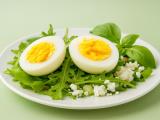
4. Vitamin D and Calcium: Eggs + Broccoli
An omelet with broccoli isn't just a convenient breakfast — eggs are one of the few natural food sources of vitamin D, and broccoli contributes calcium. According to the NIH Office of Dietary Supplements, vitamin D is what allows the body to absorb calcium from the gut in the first place — without enough of it, a meaningful share of dietary calcium may simply pass through unused.
This is part of why nutritionists often talk about calcium and vitamin D as a pair rather than as separate boxes to check; getting both together, through ordinary food, is a simple way to support long-term bone health.
Related reading: Is Egg Really Responsible for Heart Problems?
5. Vitamin C and Iron: Oats + Orange Juice
Starting the day with oatmeal and a glass of orange juice does more than taste good — vitamin C measurably improves the body's uptake of non-heme iron, the type of iron found in plant foods like oats, lentils, and spinach. The NIH Office of Dietary Supplements confirms this is one of the best-documented food-pairing effects in nutrition science, and it's a big part of why iron deficiency prevention advice so often comes paired with "and eat something with vitamin C at the same meal."
Iron itself is what allows the body to carry oxygen efficiently; running low on it is commonly linked to fatigue and low energy, which is part of why this particular pairing gets so much attention from nutritionists.
Related reading: 11 Foods That Help or Hinder Iron Absorption and A Low-Calorie Drink with High Iron Content.
Bringing It All Together
Picture a fairly ordinary day: oatmeal with orange juice in the morning, quietly maximizing your iron absorption. A lunch built around a tomato and avocado salad, letting the healthy fats unlock the lycopene. And dinner featuring salmon alongside a broccoli-and-egg side, covering B12, omega-3s, vitamin D, and calcium all at once.
None of this requires special products or complicated planning — just a bit of awareness about which foods make each other more useful. Small, consistent choices like these tend to matter more over months and years than any single "superfood" ever could.
Information on this website is for educational purposes only and is not medical advice.
expert, nutritionist
 Would you like to be informed about news on the website?












|

