


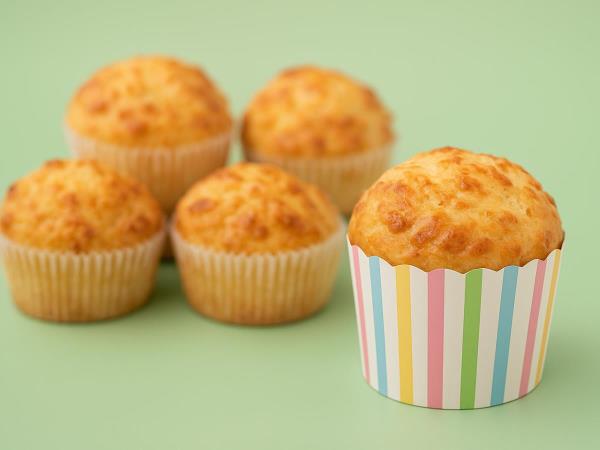


The 3-Ingredient Muffin-Tin Trick That Turns Leftover Potatoes Into Golden, Crispy Bites
expert, nutritionist
There's a particular kind of kitchen magic in taking three humble ingredients you probably already have on hand — a few potatoes, an onion, a chunk of cheese — and turning them into something that looks like it came from a bakery display. No piping bag, no special pan, no complicated technique. Just a muffin tin doing double duty as a mold for crispy, golden potato cakes with lacy, caramelized edges and a soft, savory center.
A Recipe Rediscovered
One home cook who shared this recipe in an online cooking group described stumbling on the idea almost by accident — she had potatoes that needed using up, a wedge of Parmesan in the fridge, and a muffin tin she'd only ever used for actual muffins. "I figured the worst that could happen was a mess," she wrote. Instead, she got a tray of golden, crisp-edged potato cakes that disappeared from the table faster than anything else she'd made that week, and the recipe has been part of her regular rotation ever since. It's the kind of dish that keeps circulating in family kitchens and recipe swaps precisely because it's so forgiving — and so satisfying for so little effort.
Why This Combination Works
Potatoes, onion, and hard cheese are a classic pairing for good reason, and each ingredient is pulling its own weight here, not just in flavor but in nutrition too.
Potatoes are often unfairly written off as "empty" carbs, but a typical potato is a genuinely nutrient-dense vegetable. According to the USDA's FoodData Central database, a potato with the skin on delivers a meaningful amount of potassium, vitamin C, and fiber alongside its carbohydrates, and a 2024 nutrition review found that potatoes score comparably to legumes on measures of carbohydrate quality — better, in some cases, than certain whole grains. In other words, that grated potato base is doing more nutritional work than it gets credit for.
Onions bring more than sharpness and aroma. They're one of the richest everyday dietary sources of quercetin, a plant compound that's been studied for its antioxidant properties. Research summarized by the National Onion Association and by researchers at institutions including Wageningen Agricultural University points to onions as one of the more concentrated food sources of this compound, though it's worth noting that most of this research is early-stage, and onions should be thought of as a flavorful, antioxidant-containing addition to a varied diet rather than a stand-alone health solution.
Then there's the Parmesan, which does double duty here as a flavor bomb and a genuine source of protein and calcium. Per the Cleveland Clinic's overview of Parmigiano-Reggiano, a one-ounce serving provides around 10 grams of protein and roughly a quarter of a day's calcium needs, both in highly bioavailable form — while also noting the cheese's naturally high sodium content, which is worth keeping in mind if you're salting the mixture separately.
Ingredients
- 600 grams (about 1.3 lb) potatoes
- 1 cup grated Parmesan cheese
- 1 onion
Instructions
- Preheat the oven to 180{-15696}C (350{-15696}F). Grease a standard muffin tin well with oil so the cakes release cleanly once baked.
- Grate the raw potatoes (no need to peel first if you prefer the extra texture and fiber from the skin) and finely chop the onion.
- In a large bowl, combine the grated potato, chopped onion, and grated Parmesan. Season with salt and pepper, then add a tablespoon of olive oil and mix thoroughly until everything is evenly combined.
- Divide the mixture among the muffin cups, pressing it in gently so it holds together.
- Bake for 60–70 minutes, until the edges are deeply golden and crisp and a fork slides easily through the center.
- Let the cakes rest for a few minutes before running a knife around the edges and lifting them out.
It really doesn't get much simpler than this — three ingredients, one pan, and a result that looks far more impressive than the effort it takes. Enjoy!
Information on this website is for educational purposes only and is not medical advice.
expert, nutritionist
 Would you like to be informed about news on the website?






|

