


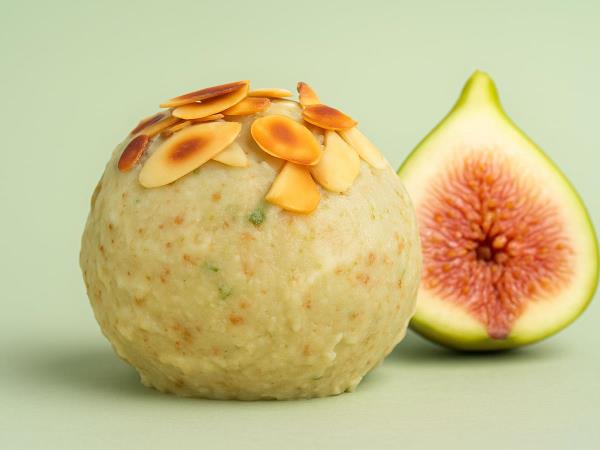


Ice Cream for Lunch? The Simple Trick That Turns a Scoop Into a Real Summer Meal
expert, nutritionist
Picture the hottest afternoon of the summer. The last thing anyone wants is a hot stove or a heavy plate of food. What if the answer to "what's for lunch" was simply... a bowl of ice cream? It sounds like the ultimate food-blogger clickbait, but with the right add-ins, a bowl of ice cream can genuinely hold you over for a few hours — and it comes with a 350-year-old backstory involving a king, a French chef, and a secret so valuable it may have cost a life.
Even a Kardashian Swears by the Chia Bowl
You don't have to look far to find a famous name attached to this trend. On an episode of The Kardashians, Kim Kardashian was filmed eating a chia seed pudding for breakfast, and the clip quickly went viral, sending fans searching for her simple three-ingredient version made with chia seeds, almond milk and a touch of honey (Elite Daily). The appeal is the same one behind a "loaded" bowl of ice cream: a small spoonful of tiny seeds turns a light snack into something that actually keeps you going.
Why Ice Cream Doesn't Have to Be "Just" Dessert
Ice cream has a reputation as an indulgence, and in its plain form it mostly delivers sugar and fat with very little protein or fiber — the two nutrients that research links most closely to feeling satisfied after eating (study on protein preloads and snack food intake). That's exactly why the extras matter so much. Stir in the right mix-ins, and you shift the balance: more fiber, more healthy fats, a bit more protein, and a much slower release of energy. The result is a cold dish that some people find keeps hunger away for a few hours, rather than the quick sugar spike and crash of a plain scoop. It's also a genuinely refreshing way to get some extra nutrients into a hot-weather diet, and can work well as an occasional stand-in for a glass of milk when appetite is low. As with any dessert-based meal swap, it works best as an occasional option alongside a generally balanced diet — not as a routine replacement for regular meals.
Chia Seeds: The Small Addition That Does the Heavy Lifting
If there's one ingredient worth keeping in the kitchen for exactly this purpose, it's chia seeds. Two tablespoons contain around 4 grams of protein, roughly 11 grams of fiber, and a meaningful amount of calcium, and they're considered one of the richest plant sources of omega-3 fatty acids around, according to Harvard's Nutrition Source. That fiber forms a gel when it absorbs liquid, which is part of why chia is so often described as helping people feel fuller for longer (Mayo Clinic Health System). They're also rich in antioxidants such as quercetin, which is one of the reasons nutritionists frequently list them among the more nutrient-dense seeds available (WebMD). Our own nutrition team has covered this ingredient before — for a deeper breakdown of the numbers, see 5 of the Healthiest Seeds to Add to Your Diet, and for a savory chia-based recipe worth trying before a workout, take a look at Breakfast for More Energy Before a Physically Demanding Day.
Nuts and Seeds: Crunch, Healthy Fats, and a Word of Caution
Beyond chia, almost any nut or seed can be folded into ice cream to good effect — cashews, hazelnuts, walnuts, even salted pistachios all pair surprisingly well with different flavors. Walnuts and almonds in particular are a good source of omega-3 fatty acids and healthy unsaturated fats, and nut consumption more broadly has been associated with a range of favorable health markers (Euronews Health). Foodwhisper has previously highlighted how nuts fit into a broader pattern of plant-forward eating — see this article on plant-based foods and long-term health. The one real caution: nuts are calorie-dense, so a small handful goes a long way, and it's worth keeping portions modest rather than emptying the whole bag into the bowl.
Fresh or Dried Fruit: Keep the Pieces Small
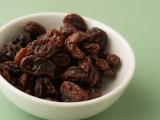
Finally, fruit — fresh or dried — rounds the bowl out with fiber, natural sweetness and extra vitamins. Chopping it into small pieces isn't just for looks: smaller pieces mix through the ice cream more evenly and blend their flavor into every bite, instead of ending up as a few large, half-frozen chunks at the bottom of the bowl. Not every "healthy" food lives up to its reputation, though, so it's worth being a little selective — Foodwhisper's own look at 5 Healthy Foods That Aren't as Healthy as You Think is a useful companion read here.
A Recipe Once Worth Killing a Career To Protect
The idea of guarding an ice cream recipe like a state secret isn't a modern exaggeration — it's basically how ice cream became famous in the first place. According to accounts of English royal history, King Charles I of England was so taken with the "cream ice" served at his table in the 17th century that he reportedly paid his French chef an annual sum — variously reported as around £20 to £500 — purely to keep the recipe from ever leaving the royal kitchen (Brooker's Founding Flavors; Ice Cream History and Folklore). The chef, sometimes named in these accounts as "de Mirco," is said to have honored that agreement for years. It was only after Charles I was executed in 1649 that the recipe finally made its way out into wider circulation, sold to the noblemen who had long wanted it for themselves. Historians note that much of this story survives as folklore rather than documented fact, but it captures something real: before electricity and refrigeration, keeping anything reliably frozen was a genuine luxury, and the knowledge of how to do it was worth protecting.
The Takeaway
A bowl of ice cream will probably never replace a proper meal, and it shouldn't try to. But dressed up with chia seeds, a small handful of nuts, and some finely chopped fruit, it becomes something closer to a balanced, cooling summer dish than a purely indulgent treat — one more tool for getting through the hottest days of the year without turning on the stove.
Information on this website is for educational purposes only and is not medical advice.
expert, nutritionist
 Would you like to be informed about news on the website?











|

