


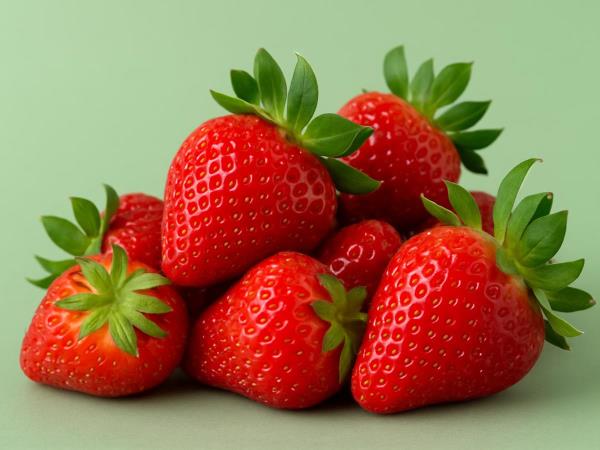


The Green Part of Strawberries You've Been Throwing Away Might Be the Best Part
expert, nutritionist
Every time you hull a strawberry, you probably toss the little green cap and its leaves straight into the compost without a second thought. It turns out that small gesture may be wasting the most nutrient-dense part of the plant. Home gardeners and herbalists who forage their own wild strawberries have long known a secret that most supermarket shoppers never learn: the leaves are just as edible as the fruit, and in some ways, even more interesting nutritionally.
A Tradition Passed Down Through Generations
Long before "superfoods" were a marketing term, grandmothers across Europe were drying strawberry leaves for tea. The method was simple: dry the leaves, steep them in hot water, stir in a spoonful of honey, then let the tea cool overnight in a dark, cool spot (not the refrigerator) for a naturally refreshing infused drink the next day. It's a homely, low-effort ritual — and, as it turns out, one with real nutritional grounding.
What's Actually Inside Strawberry Leaves
Strawberry leaves (from both wild Fragaria vesca and garden strawberries) contain a notable concentration of polyphenols, flavonoids such as quercetin and rutin, tannins, and vitamin C. A study from the Institute of Chemical Technology in Prague, published in the Czech Journal of Food Sciences, tested the antioxidant activity of 17 Czech medicinal plants and found that water extracts of strawberry leaves — alongside raspberry and blackberry leaves — showed some of the strongest antioxidant activity of the group, comparable to green tea.
Other researchers have looked specifically at cardiovascular effects: a 2009 study published in Phytomedicine examined the in-vitro effects of wild strawberry leaf extract on blood vessels, and found vasodilatory activity similar to that seen with hawthorn leaf extract — a plant long associated with heart and circulation support. These are laboratory-stage findings, though, not clinical proof of benefit in humans, and should be read as a starting point for further research rather than a treatment claim.
What Folk Tradition Says the Leaves Are Good For
Traditional and herbal medicine has associated strawberry leaf tea with a long list of everyday uses, including:
- Supporting normal digestion and easing occasional bloating
- A mild, gentle diuretic effect
- General immune support, largely credited to its vitamin C and polyphenol content
- Calming and mildly relaxing properties, often linked to its soft aroma — some people drink it in the evening as part of a wind-down routine
- Soothing sore throats when used as a warm gargle
It's worth being clear-eyed here: these are traditional, folk-remedy uses passed down over generations, not medical treatments, and none of them are a substitute for advice from a doctor or pharmacist — particularly for anyone managing a chronic health condition, pregnant, or taking medication.
You Can Eat the Fresh Leaves Too
Here's the part most people never realize: you don't need to dry the leaves and brew tea to benefit from them. Fresh strawberry leaves have a mild, slightly grassy flavor and can be tossed straight into a salad along with the berries, or blended into a smoothie. Because the fresh leaf carries the same beneficial plant compounds as the dried version, some nutritionists suggest simply eating strawberries leaves and all, rather than discarding the green tops.
If you're curious about other plant leaves that are typically discarded but carry a similar nutritional bonus, the Healing Properties of Avocado Leaves makes for an interesting comparison — another case where the "waste" part of a fruit turns out to be worth a second look.
Pairing Leaves With the Rest of Your Diet
Strawberries themselves are already one of the more antioxidant-dense fruits you can eat, which is part of why nutritionists tend to recommend berries over higher-fructose fruit when certain fruits tend to cause bloating. Pairing the fruit with its own leaves, rather than throwing them away, is really just an extension of that same "use the whole plant" thinking you'll find with other everyday antioxidant-rich foods, like pears or a good drizzle of olive oil on an empty stomach.
How to Make Strawberry Leaf Tea at Home
- Rinse fresh strawberry leaves and pat them dry, or use leaves you've already air-dried in a shaded, ventilated spot.
- Steep 1–2 teaspoons of leaves (fresh or dried) in about 240 ml (1 cup) of hot water for 5–10 minutes.
- Strain, stir in a spoonful of honey to taste, and enjoy warm — or let it cool overnight in a dark, cool cupboard for a naturally refreshing cold infusion the next day.
The Bottom Line
Strawberry leaves aren't a miracle cure, and no serious nutritionist would suggest otherwise — but they are a genuinely underused source of antioxidants, vitamin C, and gentle digestive support that most of us throw straight in the compost bin. Next time you're prepping strawberries, consider setting a few leaves aside for tea, or tossing a handful straight into your salad. It's a small habit with a surprisingly interesting nutritional backstory.
Information on this website is for educational purposes only and is not medical advice.
expert, nutritionist
 Would you like to be informed about news on the website?









|

