





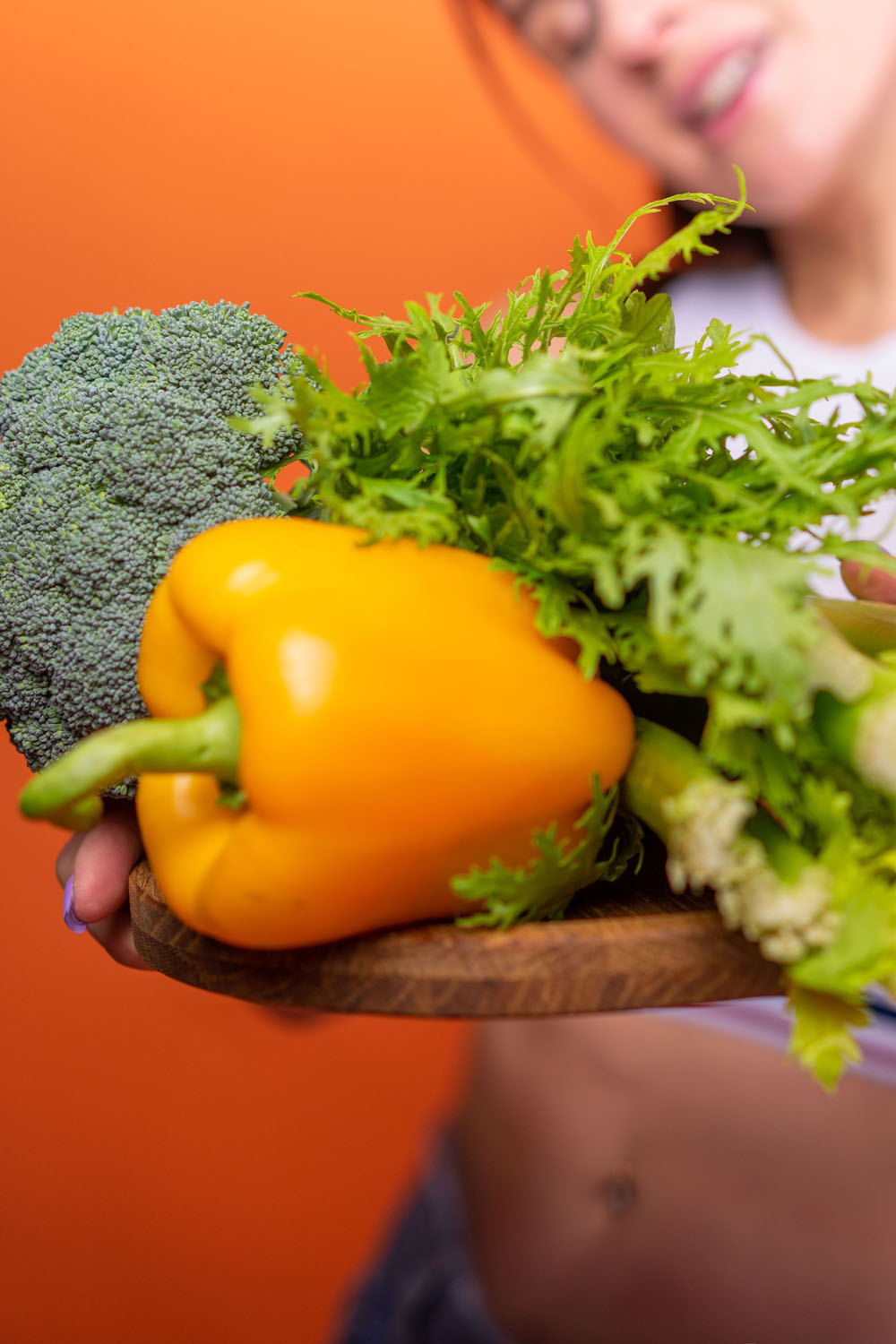


August Is Nature's Richest Table — Here's How to Use It to Feel Your Best
expert, nutritionist
Walk into any farmers' market in the second half of August and you'll see it: tables spilling over with apples, melons, tomatoes, peppers, and leafy greens, all at their peak. For many people, this is the moment their kitchen habits shift almost without trying — more color on the plate, more water in the glass, fewer processed snacks in the cupboard. Nutritionists often point to this exact window as the easiest time of year to reset toward fresher, less processed eating, simply because the options are so plentiful and so good.
One home cook who documented her own August "produce reset" on a popular food blog described it simply as the month she "stopped reaching for the pantry and started reaching for the fridge" — swapping crackers and chips for sliced apples and melon, almost without noticing the change in her energy levels until a few weeks in. Her experience echoes what dietitians see again and again: it's not one dramatic diet that makes the difference, it's the abundance of good options making the easy choice the healthy one.
With that in mind, here are three seasonal stars worth building your August plate around — apples, melons, and a full spectrum of vegetables — along with what the research actually says about each one, and how to enjoy them without falling into the trap of restrictive, single-food "diets."
Apples: Small Fruit, Big Nutritional Resume
Apples are one of the most studied fruits in nutrition science, and for good reason. A single apple delivers a meaningful share of daily fiber — over 20% of daily fiber needs, largely thanks to pectin, a soluble fiber linked to healthier cholesterol levels. Research summarized by nutrition experts has connected regular apple consumption with better cardiovascular health markers and even a lower risk of certain respiratory issues in some population studies. A widely cited 2005 study also associated daily apple consumption with a lower risk of certain cancers, though researchers are careful to note this is an association, not proof of cause and effect, and more research continues in this area.
The takeaway isn't that apples are a miracle food or a stand-alone diet — it's that an apple a day, eaten alongside a varied plate, is a genuinely evidence-backed habit. Slice one into your morning oats, pack one for the afternoon slump, or pair one with a handful of nuts for a snack that actually keeps you full.
Related reading: [Insert real Foodwhisper.com article title/URL — e.g. an existing piece on fiber-rich fruits or apple recipes]
Melons: Hydration You Can Eat
Late summer heat makes hydration one of the quiet priorities of the season, and melons are built for exactly that job. Watermelon is among the lowest-calorie melon varieties, at roughly 46 calories per cup, while cantaloupe delivers a striking amount of vitamin A and vitamin C for very little caloric cost. Melons also carry a naturally high water content, which is part of why they've long had a reputation as a gently diuretic, refreshing food — useful support for hydration as summer transitions into fall, though they're a complement to good water intake, not a replacement for it.
Rather than treating melon as a food to eat exclusively, try folding it into the rest of your meals: diced into a summer salad with feta and mint, blended into a chilled soup, or simply sliced as a naturally sweet way to close out a meal without reaching for dessert.
Related reading: [Insert real Foodwhisper.com article title/URL — e.g. an existing piece on hydration or summer fruit]
Vegetables: Where the Real Variety Lives
If apples and melons are the season's headline fruits, vegetables are where August truly shows off. Peppers, tomatoes, zucchini, leafy greens, and root vegetables are all at their peak, and nutrition organizations consistently point to a colorful, varied vegetable intake as one of the most reliable habits for long-term wellbeing, precisely because different colors and varieties supply different vitamins, minerals, and plant compounds.
Instead of committing to eating only vegetables for a stretch of days, a more sustainable approach — and one dietitians tend to recommend — is building half of your plate from vegetables at most meals, mixing raw and cooked preparations, and using a light hand with quality fats like extra virgin olive oil and minimal added salt to let the natural flavors of peak-season produce come through.
Related reading: [Insert real Foodwhisper.com article title/URL — e.g. an existing piece on seasonal vegetables or Mediterranean-style eating]
The Bottom Line
August's real advantage isn't any single food or a strict week-long plan — it's variety and abundance arriving at the same time. Building meals around apples, melons, and a wide range of seasonal vegetables, rather than restricting yourself to any one of them, gives your body the broadest range of nutrients the season has to offer. As always, if you're considering a significant change to your eating habits, it's worth checking in with a doctor or registered dietitian who knows your individual health history.
Information on this website is for educational purposes only and is not medical advice.
expert, nutritionist
 Would you like to be informed about news on the website?












|

