





Water From a Plastic Bottle: Refreshment or a Quiet Chemical Risk?
expert, nutritionist
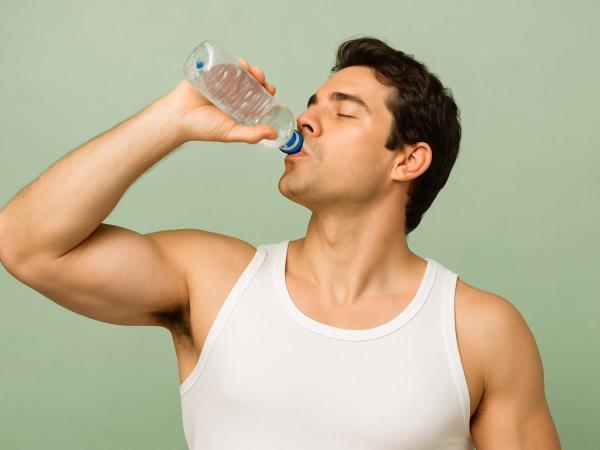
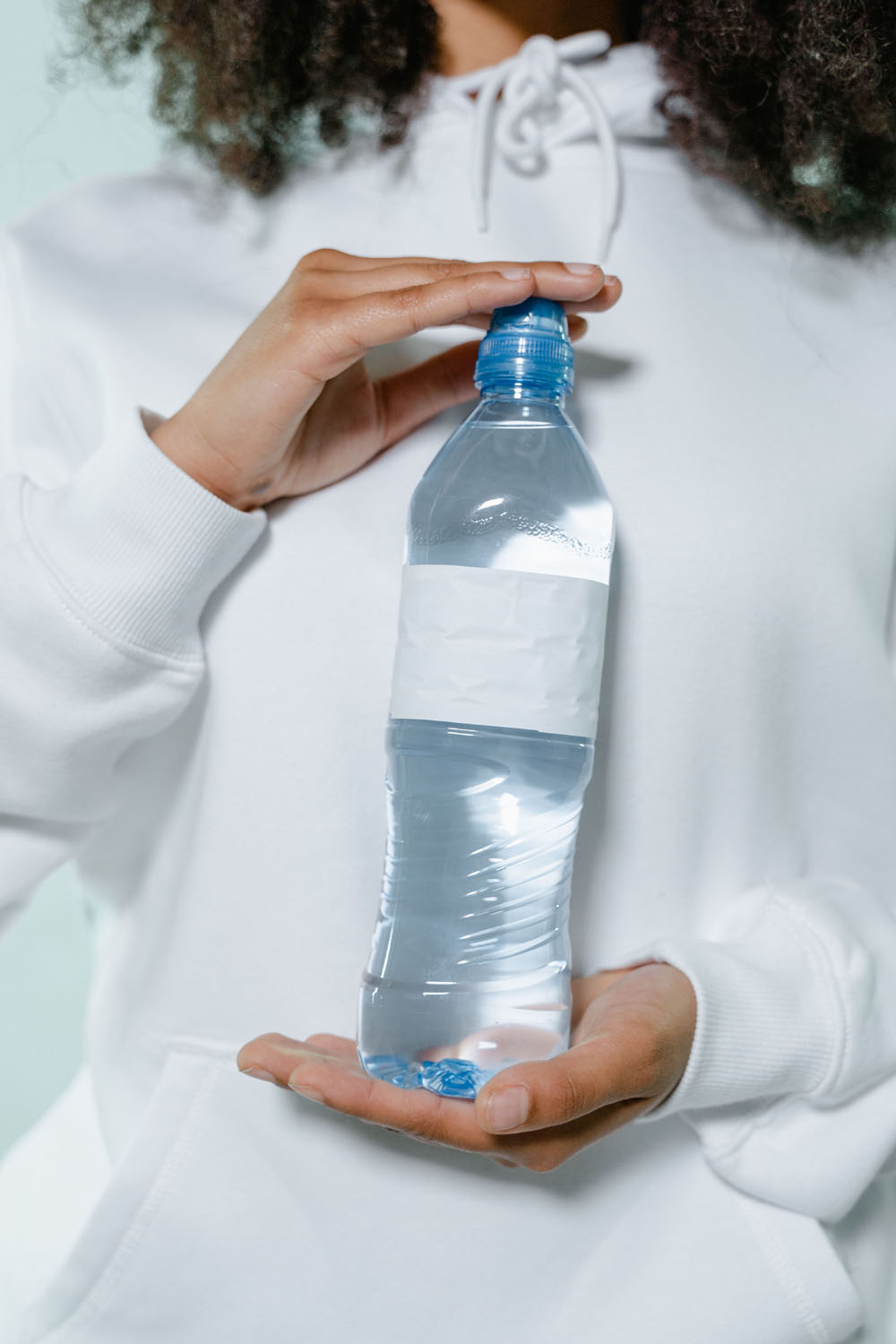
You twist the cap, take a sip, and feel refreshed. But is the water in that bottle really as simple as it looks? The truth is, water is never just water — it varies by pH, by taste, and by the trace microorganisms and compounds that end up dissolved in it. And in recent years, one of the biggest question marks hanging over bottled water hasn't been what's naturally in it, but what might be leaching in from the packaging itself.
"We are just now starting down the path of discovering the unusual combinations that exist between packaging and food," said Dr. Bruce Blumberg, a developmental biologist at the University of California, Irvine who has spent years studying how man-made chemicals interact with the body's hormone system. Blumberg's own research has focused on so-called "obesogens" — industrial compounds he believes may play a role in disrupting normal metabolic signaling — and his broader advice is a simple, low-cost one: where practical, he suggests favoring glass and stainless steel over plastic for storing food and drinks.
What's actually turning up in bottled water
A widely cited 2013 study by researchers at Goethe University Frankfurt, led by ecotoxicologist Dr. Martin Wagner, examined 18 different bottled water products — packaged in PET plastic, glass, and cartons — for signs of hormone-disrupting activity. The team found that most samples showed some antiandrogenic or antiestrogenic activity in lab assays, and traced part of that effect to a previously overlooked compound called di(2-ethylhexyl) fumarate, or DEHF. You can read the full peer-reviewed study in PLOS ONE, or a plain-language summary from the Food Packaging Forum.
It's worth being precise about what this study did and didn't show. The researchers themselves were careful to note that, at the time of publication, there was no strong evidence that DEHF causes harm to people at the levels typically found in bottled water — only that it showed hormone-related activity in lab-based cell assays, and that it had essentially flown under the regulatory radar until then. That distinction between "detected" and "proven harmful" matters, and it's one worth keeping in mind before drawing dramatic conclusions.
DEHF belongs to a much larger, better-known family of concerns around plastic packaging, most famously bisphenol A (BPA). BPA has been studied for decades, and regulatory views on it have shifted considerably over time: in April 2023, the European Food Safety Authority (EFSA) substantially lowered its tolerable daily intake guidance for BPA, citing potential effects on the immune system — a striking example of how food-safety science on packaging chemicals continues to evolve even for compounds that have been in use for generations.
Why some plastics are "worse" than others
One reason DEHF and related compounds show up at all comes down to manufacturing economics. Additives like this can make plastic more flexible, allowing bottles to be made thinner and lighter — which means less raw material, lower production costs, and sturdier bottles that survive shipping with fewer breakages. It's easy to see why manufacturers focused on margins might be reluctant to give that up, even where safer (if costlier) alternatives exist.
So — tap water, bottled water, glass, or plastic?
We've touched on water quality here on Vem kaj jem several times this summer, including our pieces on detox habits and drinking too much water, the debate over mineral water vs. tap water, and the ever-relevant question of how much water is actually healthy to drink. The general rule of thumb still holds up well: tap water (where locally verified as safe) tends to beat bottled water, and water stored in glass tends to beat water stored in plastic, mainly because glass is chemically inert and doesn't interact with its contents the way plastic can.
That doesn't mean plastic bottles are something to panic about — for most people, occasional bottled water is a normal, practical part of life, especially while traveling or exercising. But small habits can reduce unnecessary exposure: avoid leaving plastic bottles in a hot car or direct sun, don't reuse single-use bottles indefinitely, and where you have the option, glass or stainless steel are reasonable everyday swaps.
As Dr. Blumberg put it, the science of exactly how packaging and food interact is still very much a work in progress. Given how much researchers are still learning, a little caution — without turning it into anxiety — seems like the sensible middle ground.
Information on this website is for educational purposes only and is not medical advice.
expert, nutritionist
 Would you like to be informed about news on the website?











|

