


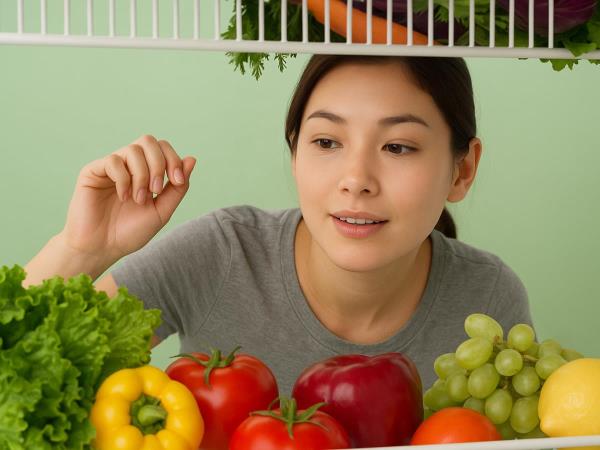


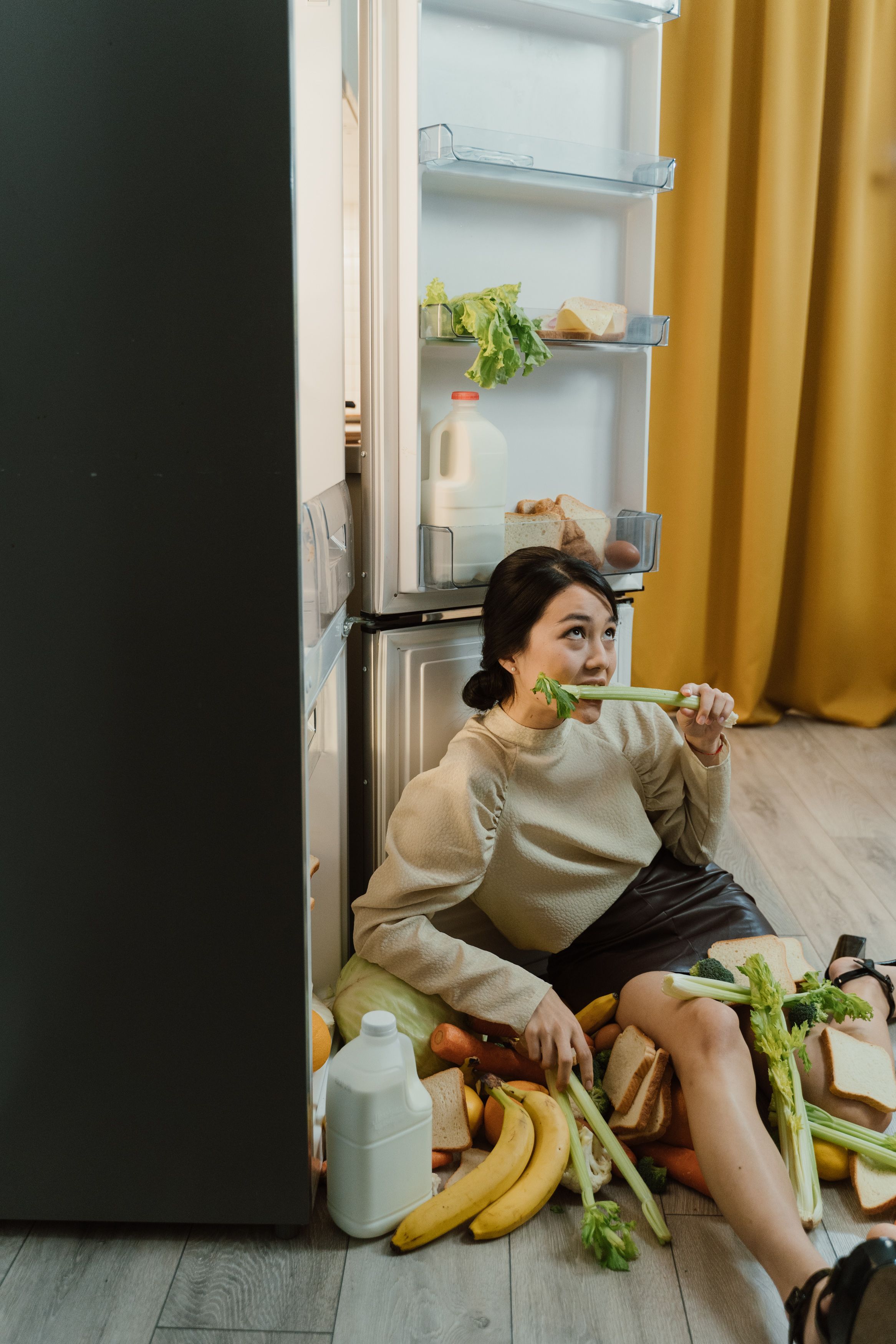
The refrigerator is not always a friend: These foods secretly lose nutrients.
expert, nutritionist
You bought that box of green tea, that bottle of olive oil, or that jar of tomato sauce because you wanted the "good stuff" inside it — the antioxidants, the vitamins, the compounds nutritionists keep talking about. But here's the catch nobody puts on the label: by the time you actually get around to using it, a surprising portion of those nutrients may already be gone. Not because anything looks wrong with the product, but simply because of time, light, and air quietly doing their work in the background.
Model and cookbook author Chrissy Teigen once described being gifted bottles of oil pressed from her own "adopted" olive tree in Tuscany, sent to her a few times a year straight after each harvest — and noticing how the flavor and intensity shifted noticeably from batch to batch, depending on how fresh the pressing was. It's a small, telling detail: even people who can get olive oil about as fresh as it gets still notice how quickly its character changes with time. For the rest of us, buying from a supermarket shelf, that freshness clock is usually already ticking long before the bottle reaches home.
Below is a closer look at five common kitchen staples, what research suggests happens to their nutrient content over time, and some practical, low-effort ways to hold onto more of what you paid for. As always, these are general findings from food-science research rather than personal medical advice — if you have specific health or dietary concerns, it's worth checking with a doctor or registered dietitian.
Green Tea
Green tea's reputation rests largely on its catechins — a group of plant antioxidants. The trouble is, catechins are not particularly patient. Research from food scientist Mendel Friedman's team at the Western Regional Research Center, which analyzed teas sold across the US, Korea, and Japan, found that catechin levels can fall substantially within the first six months of storage, with some individual catechins dropping by around a quarter to half of their original levels. A related summary from Tufts University's Tufts Now confirms that the most abundant catechin, EGCG, can decline by roughly a quarter over half a year of home-style storage, with other catechins fading even faster. A separate peer-reviewed storage study found that green tea in particular loses tannins and related antioxidant compounds noticeably faster than some other tea types once it's off the shelf.
Light, heat, and air all speed this process along, so the way tea is stored matters almost as much as its age. Keeping it in a sealed, opaque container, away from the stove and out of direct sunlight, is one of the simplest ways to help it hold onto more of its antioxidant punch for longer.
Tomato Products
Tomatoes owe much of their reputation to lycopene, the antioxidant that gives them their color. What happens to lycopene in processed tomato products during storage, though, depends a lot on the product. A shelf-life study published in the Journal of Food Engineering tracked lycopene and vitamin C in tomato ketchup over long-term storage and found that while lycopene itself can be relatively stable in some ketchup formulations, vitamin C and other antioxidant compounds tend to decline steadily the longer the product sits — especially once a container has been opened and exposed to air. A separate study in the International Journal of Analytical Chemistry similarly found that lycopene stability in tomato-based sauces varies considerably depending on temperature, oxygen exposure, and packaging.
In practice, this means an unopened can or bottle can hold up reasonably well, but once opened and left in a warm spot — or exposed to repeated air contact in the fridge — antioxidant losses tend to accelerate. Interestingly, some research on lycopene bioavailability, summarized in Food That Is Healthier Cooked Than Raw, suggests that cooked and processed tomatoes may actually make lycopene easier for the body to absorb than raw ones — and pairing tomato products with a source of healthy fat, as outlined in Foods That Improve Nutrient Absorption, may help further. For more on how heat-processing changes tomatoes' nutrient profile, see Foods We Use Incorrectly, and for a tomato-forward recipe idea, Advice against cancer: roasted tomatoes with garlic is worth a look — though it's always worth remembering that no single food is a substitute for balanced medical care.
Potatoes
Potatoes carry a meaningful amount of vitamin C, but that content is not fixed — it fades gradually the longer the tuber sits in storage. A long-term storage study published in Potato Research tracked vitamin C in table potatoes stored at cold temperatures over eight months and found total losses ranging from roughly a fifth to well over half of the starting amount, depending on the potato variety and storage conditions. A related review in Postharvest Biology and Technology similarly reports that vitamin C content commonly drops by 30–45% within just the first three months of storage.
Because potatoes are sometimes on shelves for months before they even reach a shopping cart, it's worth assuming that the potatoes you're buying may already be partway through that decline. Storage habits at home can help slow further loss: potatoes generally keep better in a paper bag than sealed in plastic, since plastic traps moisture and encourages sprouting, and a cool, dark cupboard tends to outperform the fridge for whole raw potatoes. If you've got potatoes getting close to their limit, How to make potato juice? offers one practical way to use them up before more nutrients are lost.
Olive Oil
Extra virgin olive oil owes much of its reputation to its polyphenols — plant compounds tied to its antioxidant capacity. These compounds are notably sensitive to time, light, heat, and oxygen. A 2025 storage study published in the journal Antioxidants (MDPI) tracked extra virgin olive oil over 24 months and recorded substantial reductions in several key phenolic compounds compared with freshly pressed oil, with the steepest declines showing up well before the two-year mark — and losses occurring in both light-exposed and dark-stored bottles, just at different rates. A practical guide from McEvoy Ranch notes that light and heat are the two biggest accelerants of this decline, which is why quality producers package oil in dark glass and recommend storing it between roughly 14–21{-15696}C.
Because of this, the "production" or "harvest" date on the label is arguably more useful than the "best by" date, which producers can set fairly loosely. Buying smaller bottles that get used up within a couple of months, keeping the cap tightly closed, and storing the bottle away from the stove and out of direct light are all simple ways to preserve more of the oil's antioxidant content. For more on how olive oil fits into a broader eating pattern, Olive oil on an empty stomach: healthy habit or myth? and Why are nutritionists all over the world paying attention to the Mediterranean diet are both worth a read.
Pasta
Pasta, especially enriched varieties, is fortified with B-vitamins such as riboflavin, thiamine, niacin, and folic acid. Research on how well these vitamins survive the journey from box to plate is mixed, but it points fairly consistently to cooking itself — rather than shelf storage — as the biggest turning point. A study published in the journal Food Chemistry found that while thiamine, riboflavin, and niacin held up well in dried spaghetti stored for three months, cooking caused the most significant vitamin losses of the entire process. Riboflavin in particular is also known to be highly sensitive to light exposure once cooked, which is one reason freshly drained, freshly served pasta tends to retain more of its B-vitamin content than pasta that has been left sitting out or reheated more than once.
The practical takeaway is less about how long dry pasta sits in the pantry — which is relatively stable — and more about serving it soon after cooking, and covering leftovers promptly and out of direct light if you're saving them for later.
The Bottom Line
None of this means these foods stop being worthwhile once time has passed — green tea, olive oil, tomato products, potatoes, and pasta all remain reasonable additions to a balanced diet well past the "freshest" moment of their shelf life. But if you're specifically buying these foods for their antioxidant or vitamin content, freshness and storage conditions genuinely seem to matter, based on the research above. Small habits — checking production dates, choosing opaque packaging, using smaller containers, and keeping things cool, dark, and sealed — appear to be simple, low-cost ways to hold onto more of what you're paying for. For more practical storage tips across everyday ingredients, 4 mistakes in the kitchen that make you lose nutrients is a useful companion read.
Information on this website is for educational purposes only and is not medical advice.
expert, nutritionist
 Would you like to be informed about news on the website?










|

