


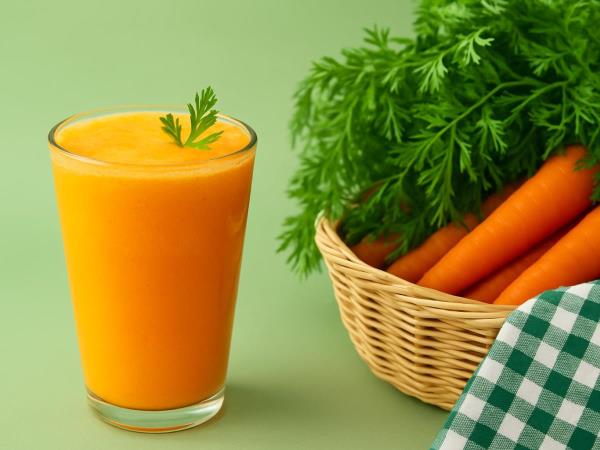


Carrot, Cucumber, Apple, and Parsley: A Simple Juice That May Help You Feel Fuller for Longer
expert, nutritionist
What if the gap between reaching for a snack and feeling genuinely satisfied came down to a five-minute blend of four ingredients already sitting in your fridge? That's the appeal behind this carrot, cucumber, apple, and parsley juice — a bright, slightly sweet drink that's become a staple for people looking to eat a little more mindfully without overhauling their entire diet.
Homemade vegetable juices like this one have become something of a morning ritual for wellness-minded public figures, too. Martha Stewart has spoken publicly for years about drinking a homemade green juice every morning, typically blending vegetables from her own garden — cucumber, celery, carrot, and parsley among them — along with a piece of fruit. She's credited the habit with giving her a noticeable boost of energy and said it's become an essential part of her daily routine (CNBC Make It, The Daily Meal via AOL). While everyone's routine looks a little different, it's a good reminder that a simple glass of fresh produce can be an easy habit to build a morning around.
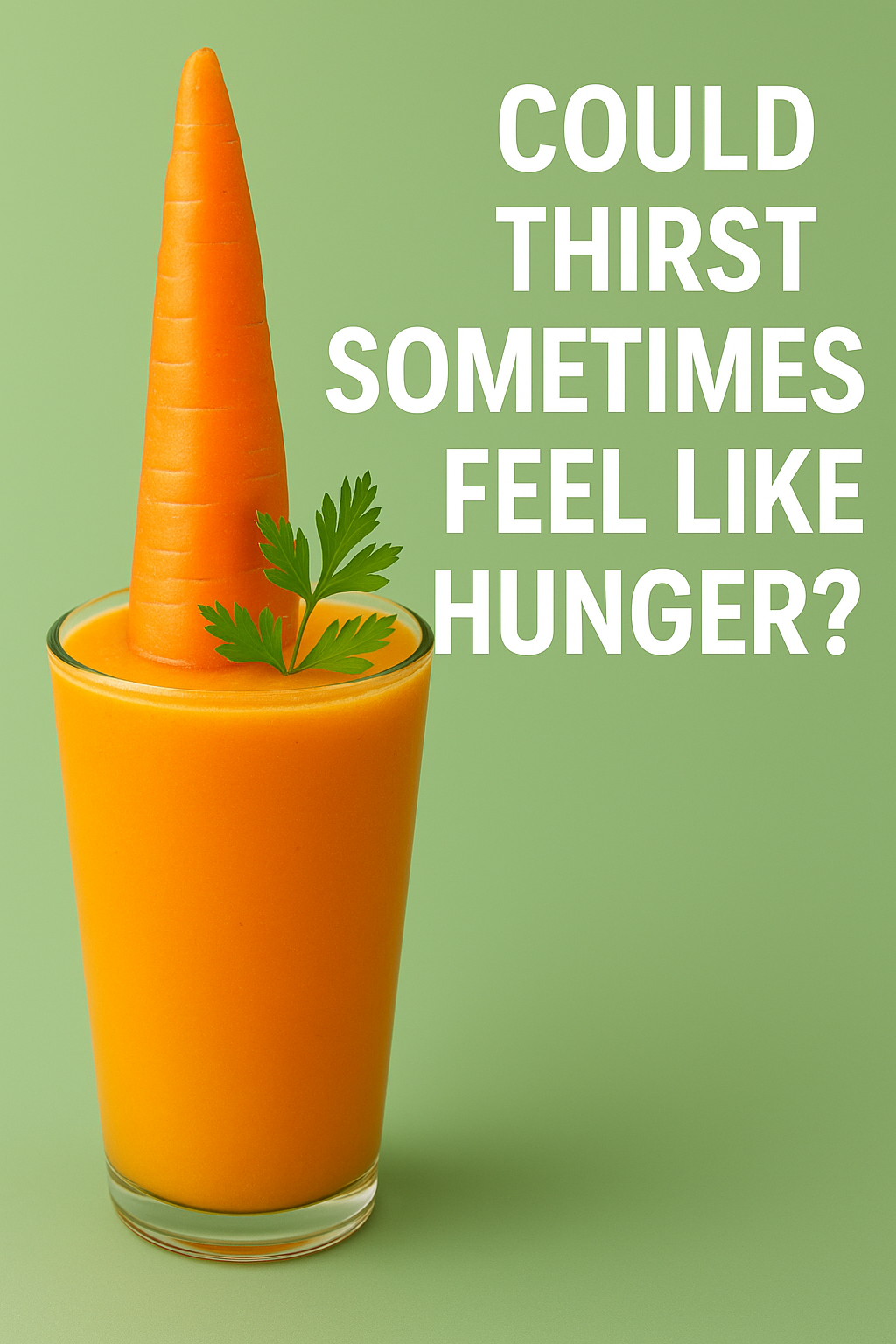
Could Thirst Sometimes Feel Like Hunger?
Anyone managing their weight knows that controlling appetite is often the hardest part of the process. One popular idea is that our brains sometimes confuse thirst with hunger, and that staying hydrated can help you feel satisfied for longer between meals. It's a widely repeated claim — but it's worth noting that nutrition researchers are actually divided on how strong the science behind it really is. Some obesity researchers have pointed out that there isn't strong published evidence that people routinely eat instead of drinking when they're actually just thirsty (BSX Technologies, Medium), while other reporting notes that mild dehydration can sometimes produce sensations — like fatigue or a mild headache — that overlap with how hunger feels, which may lead some people to reach for food when what their body needed was fluids (The Seattle Times, Stylist).
What's much less debated is that most of us don't drink nearly enough water throughout the day, and that a hydrating, fiber-rich juice like this one is a genuinely pleasant way to help close that gap — whether or not it directly "tricks" your brain into feeling full.
Ingredients
- 2 carrots
- 1 bunch of fresh parsley
- 1 cucumber
- 2 green apples
Preparation
Wash the apples thoroughly. If you're not confident about how they were grown, it's safer to peel them; otherwise, there's no need to. Cut them into smaller pieces. Wash and trim the cucumber and carrots as well, then chop everything into pieces small enough for your blender to handle easily. Add the parsley, and blend everything together until smooth.
This juice is best enjoyed fresh — sip it slowly rather than gulping it down. If you'd like to save some for later, you can refrigerate it in a sealed container, but it's best consumed within a day, since fresh juices lose vitamins and flavor quickly.
What Each Ingredient Brings to the Glass
Carrots are one of the best-known dietary sources of beta-carotene, which the body converts into vitamin A — a nutrient that plays an important role in eye health and normal immune function (NIH Office of Dietary Supplements).
Cucumbers are made up of roughly 95–96% water, which is why they're often listed among the most hydrating foods you can eat — a helpful trait if part of your goal is simply drinking more fluids throughout the day (Cleveland Clinic).
Green apples add natural sweetness along with pectin, a soluble fiber that's been studied for its role in promoting feelings of fullness after eating. Research on pectin's effect on satiety has so far mostly involved animal studies and small controlled trials, and results have varied depending on dose and form, so it's best thought of as a promising area of nutrition science rather than a guaranteed effect (National Library of Medicine / PMC).
Parsley is a surprisingly concentrated source of nutrients for such a light herb — a couple of tablespoons provide a meaningful amount of vitamins A, C, and especially K, along with antioxidant plant compounds (Healthline).
Does Fiber Really Help You Feel Full?
More broadly, the link between fiber and satiety is one of the better-supported ideas in nutrition science, even if it isn't quite as simple as "eat fiber, feel less hungry." A systematic review of cereal fiber research found that higher-fiber diets tended to improve people's reported feelings of fullness and satisfaction, even though the effect on how much food people actually went on to eat was less consistent (Nutrition Reviews, Oxford Academic). In other words, fiber-rich ingredients like the apple and parsley in this juice are a genuinely sensible addition to a balanced diet — just not a magic switch for appetite.
A Few Practical Notes
This juice is naturally low in calories and free of added sugar, which makes it an easy substitute for sweetened drinks. It also delivers a good dose of vitamins, minerals, and fluids in one glass, and can be a pleasant way to support your digestion when it's part of an overall varied, balanced diet. As with any concentrated fruit and vegetable drink, it's not intended to replace whole meals or serve as a substitute for medical advice — if you have any underlying health conditions, it's worth checking with a doctor or dietitian before making major changes to your diet.
More Juice Ideas from Foodwhisper
If you enjoyed this recipe, a few other reader favorites worth trying:
- Juice with cayenne pepper that boosts metabolism
- 5 drinks that are stronger than dietary supplements
- 4 ingredients for joints you probably have at home
- The energy of seven juices for a better thyroid
- Weight loss juice instead of dinner
Information on this website is for educational purposes only and is not medical advice.
expert, nutritionist
 Would you like to be informed about news on the website?













|

