




Banana for Dinner? Read This Before You Peel It
expert, nutritionist
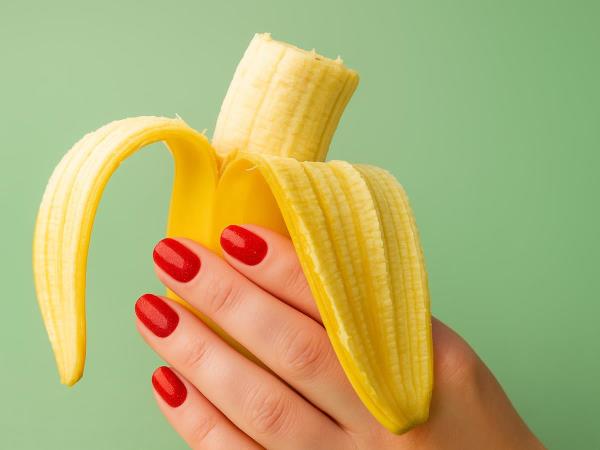
You've been told fruit is the "safe" dessert. But if you've ever eaten a banana after dinner and then stared at the ceiling at 1 a.m., you're not imagining things. Fruit sugar behaves a little differently once the sun goes down, and some fruits — bananas included — are more likely than others to leave you feeling wired instead of winding down.
Even wellness-focused celebrities have leaned into the idea that when you eat matters as much as what you eat. Actress Gwyneth Paltrow has described structuring her day so she's "really done eating by 7pm", then breaking her fast the next morning with coffee or lemon water rather than something that could spike her blood sugar. You don't need a celebrity routine to benefit from the same basic idea — eating lighter, and earlier, in the evening.
Why an Evening Banana Isn't Quite as Innocent as It Looks
Dinner is usually the meal we try to keep light, so fruit feels like the obvious "healthy" choice. But fruit's natural sugar — fructose — is processed a little differently depending on the time of day. Some researchers who study circadian feeding rhythms have found that the body's insulin sensitivity tends to be lower in the evening than in the morning, and a study published in PNAS found that glucose tolerance itself follows a daily rhythm, generally dipping later in the day. In practical terms, that means the same piece of fruit may nudge your blood sugar a bit more at 9 p.m. than it would at 9 a.m. — one reason some nutritionists recommend saving sweeter fruit for daytime rather than dessert.
As for bananas specifically, they're often assumed to be the sugariest fruit on the shelf, but the science is more nuanced than that reputation suggests. A study of several banana varieties published on PubMed found glycemic index values in the low-to-moderate range compared with white bread, largely thanks to the fruit's fiber and resistant starch. So a banana isn't automatically the "worst" fruit for blood sugar — but it does deliver a fair amount of quick-digesting carbohydrate in one sitting, which is worth being mindful of later in the day.
Could Fruit Be Quietly Disrupting Your Sleep?
There's a second reason to think twice about a bedtime banana: energy. Fruit delivers a real, if gentle, burst of natural sugar and calories, and for some people that's enough to make falling asleep a bit harder. If you've noticed you sleep more soundly on nights you skip the after-dinner fruit bowl, this may be part of why. On nights you want dessert, a green salad or other non-starchy vegetables are typically a lighter option for the body to process before bed.
That said, it's worth mentioning the other side of the story: several nutrition writers point out that bananas also contain tryptophan, magnesium and potassium — nutrients loosely linked to melatonin production and muscle relaxation, according to an overview from the Sleep Foundation. The evidence here is still described as preliminary rather than conclusive, so it's probably fairest to say a banana is neither a sleep aid nor a sleep saboteur for most people — more a snack to enjoy earlier in the evening if you're watching your blood sugar or trying to fall asleep faster.
Start Your Day With Fruit Instead
If you love fruit, mornings are generally considered the friendlier window for it. Some dietitians go as far as saying an apple on an empty stomach can be a more sustaining pick-me-up than a cup of coffee, since it pairs natural sugar with fiber for a steadier release of energy — a point echoed in a piece on the best time to eat an apple for fiber benefits. By evening, though, the same fruit can behave differently: a report from the Korea Times notes that apples eaten close to bedtime can stimulate extra stomach acid in some people, which is why many nutritionists suggest finishing any apple at least a couple of hours before you turn in.
One Foodwhisper reader summed up the habit nicely in the comments of an earlier piece: after switching her apple from an evening snack to a first-thing-in-the-morning ritual, she found she reached for the coffee pot far less often and felt steadier through mid-morning.
Not All Fruit Is Created Equal After Dark
If you do want something sweet in the evening, leaning toward lower-sugar fruit is a reasonable middle ground. According to a rundown of the lowest-sugar fruits from Healthline, lemons, limes, raspberries, blueberries and cranberries sit toward the lighter end of the scale and are generally considered fine to enjoy without much restriction.
Fruits with a moderate sugar load — strawberries, papaya, watermelon, nectarines, melon and grapefruit among them — are still reasonable choices, but many nutritionists suggest giving your body at least an hour before bedtime to work through them. If you're curious which fruits tend to be gentler on blood sugar overall, Foodwhisper has previously rounded up three fruits that may support weight management thanks to their fiber and low glycemic index, and looked separately at what happens in the body when you eat pears regularly, another naturally lower-GI option.
At the higher-sugar end, mandarins, cherries, grapes, pomegranate, mango and figs — and yes, bananas — are the fruits most nutritionists would suggest enjoying earlier in the day rather than right before bed, simply because of how much natural sugar they deliver per serving.
A Lighter Way to Round Out the Evening
If dessert is non-negotiable, a smoothie can still work — just not right before bed. Foodwhisper's own Smoothie of Eternal Youth recipe actually flags this exact point, noting that because of its fruit content it's best enjoyed in the morning rather than after 6 p.m. The same logic applies to simple combinations like a banana and honey smoothie, which is a lovely way to start the day but a heavier choice as a nightcap.
And if you're mapping out dinner more broadly, it's worth remembering that fruit is only one piece of the puzzle — Foodwhisper's guide to what nutritionists generally recommend eating for dinner is a useful companion read for building an evening plate that keeps things light without leaving you hungry.
The Takeaway
None of this means fruit is off-limits at night — plenty of people eat a banana before bed with no issue at all. But if you're working on blood sugar balance or you've noticed fruit seems to affect your sleep, shifting sweeter fruits like bananas, grapes, mangoes and figs to earlier in the day, and saving lemons, berries and other low-sugar options for the evening, is a simple, low-effort tweak worth trying for a week or two.
Information on this website is for educational purposes only and is not medical advice.
expert, nutritionist
 Would you like to be informed about news on the website?















|

