





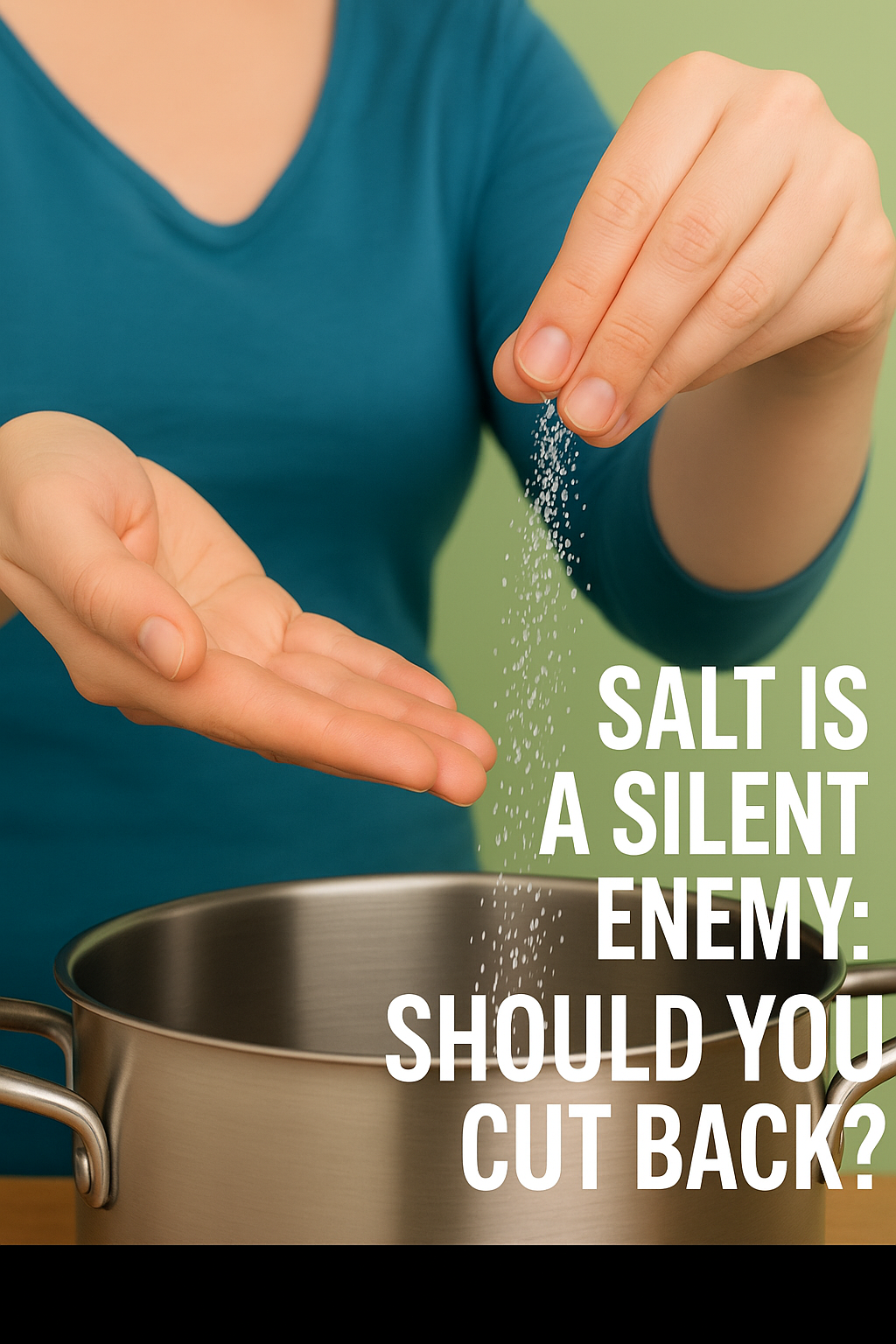


Salt Is a Silent Enemy: 8 Herbs and Spices Worth Knowing About
expert, nutritionist
Open almost any pantry and salt is doing more work than it should. It hides in bread, ketchup, pickles, sauerkraut, cheese, ham and other cured meats, packet soups, jarred vegetables — even some desserts. According to the World Health Organization, the global average adult now eats roughly double the recommended daily limit of under 5 grams of salt, and that excess doesn't just affect blood pressure — it's also a common, everyday reason for waking up feeling puffy and bloated, as the extra sodium makes the body hold onto water. Even eating carefully, it's surprisingly easy to go over the limit without realizing it.
One reader who spent years cooking for a parent on a low-sodium diet said the hardest part wasn't giving up salt itself — it was retraining her own sense of what "enough flavor" tasted like. "The first two weeks everything tasted flat," she said. "Then I started leaning hard on fresh herbs, and honestly some dishes ended up tasting better than before, just different." That's a common experience: the palate adjusts faster than most people expect, especially once herbs and aromatics start doing some of the flavor work salt used to do.
It's not just home cooks paying attention to this. Food manufacturers are too — Nestl{-15447} committed USD 15 million to research into taste compounds that could reduce sodium in processed food while keeping the flavor consumers expect, and much of that research circles back to the same idea home cooks have used for generations: bold aromatics can carry a dish that would otherwise lean on salt. Most of the ingredients worth trying are probably already in your kitchen.
Basil
Basil brings a sharp, slightly peppery aroma that pairs naturally with both meat and vegetable dishes. It's best added toward the end of cooking, since high heat breaks down some of its aromatic oils along with a share of its nutrients. Used generously, fresh basil can reasonably replace a good portion of the salt a recipe calls for.
Coriander
Fresh coriander (cilantro) has a bright, citrusy note that works particularly well with legumes and fish, two categories of food that are often over-salted by default. A small handful stirred in at the end can noticeably lift a dish that would otherwise rely on extra salt.
Tarragon
Tarragon has a mild, faintly anise-like flavor that suits sauces, poultry, and especially egg dishes — a tarragon omelet is a good example of how much flavor an herb can add on its own.
Thyme
Thyme has a savory, almost briny depth that makes it one of the more effective salt stand-ins on this list. It works in soups, sauces, meat dishes, salads, and even some fruit pairings. Used well, thyme can replace a large share of the salt in a recipe without the dish tasting like anything is missing.
Lemon balm
Fresh lemon balm leaves add a light, citrusy freshness to salads and chicken dishes, and they're also a nice way to flavor vinegar or fish without reaching for the salt shaker.
Nutritional yeast
Nutritional yeast (deactivated yeast flakes, not baking yeast) has a savory, slightly cheese-like flavor that works well sprinkled over rice, pasta, or stirred into sauces — it adds a creamy depth to a dish's overall taste. It's also worth trying on popcorn instead of salt.
Parsley
Fresh parsley is one of the easiest ways to make a dish taste more "finished" without adding salt — it's especially effective in soups and salads. It's also a genuinely nutrient-dense herb in its own right, packed with iron, calcium and vitamins relative to its weight, though it's worth using it as a seasoning rather than in very large medicinal-style quantities, since excess parsley can act as a strong diuretic.
Roasted garlic
Roasted garlic turns sweet and mellow, and works especially well with potatoes and pasta, replacing a meaningful share of the salt those dishes would otherwise need. Garlic in general is one of the most reached-for salt alternatives in home cooking — its active compound, allicin, is part of what gives it such a strong flavor punch in the first place. If you like garlic's sharper, more pungent side, it's also worth trying it raw; some people build it into a simple morning routine, though that's a matter of personal taste rather than necessity.
The takeaway
None of this means salt needs to disappear from cooking entirely — it's still a normal part of a balanced diet for most people. But leaning on herbs and spices for some of the flavor a dish needs, rather than reaching for the shaker by default, is a simple habit that can meaningfully lower how much salt ends up on the plate. It's a habit worth building gradually, since sodium adds up quietly across a day in ways that are easy to underestimate.
Information on this website is for educational purposes only and is not medical advice.
expert, nutritionist
 Would you like to be informed about news on the website?















|

