






Fruit Peels You
expert, nutritionist
Every year, households and food producers throw away an enormous volume of fruit peel — bananas, avocados, pineapples, citrus, pomegranates — treating it as pure waste. Yet a growing body of food-science research tells a different story: peels are often richer in fibre, minerals, and antioxidant compounds than the flesh itself. Scientists now even talk about "valorising" fruit peel waste — turning it into flour, extracts, and functional food ingredients instead of sending it to landfill.
None of this is only a lab curiosity. With a little know-how, some of these peels can be turned into simple, homemade teas and infusions — provided the fruit is organically grown, unsprayed, and hasn't been coated with the wax and preservative treatments used to extend shelf life on supermarket produce. Conventionally grown fruit should have its peel washed thoroughly, or better, be avoided for this purpose, since peeling is one of the most effective ways to strip pesticide residue away — meaning the residue concentrates in exactly the layer you'd otherwise be steeping in hot water. Here's what the peels of five common fruits actually contain, and how people traditionally use them.
1. Banana Peel
Banana peel has a long history as a folk remedy for polishing teeth, and there's a plausible reason people believe it works: banana peel contains natural minerals, including small amounts of potassium and manganese. Rubbing the inside of the peel on teeth for a few minutes a day is a traditional practice some people use as a gentle, abrasive-free alternative to whitening products — though there's no strong clinical evidence it meaningfully whitens teeth, so treat it as a mild cosmetic habit rather than a dental treatment. What's better supported is the peel's nutritional profile: research has found banana peel to be a genuinely rich source of dietary fibre, protein, and antioxidant phenolic compounds, and studies analyzing its composition have measured meaningful levels of calcium, magnesium, potassium, and iron in banana peel powder. Food scientists have even used dried, ground banana peel to enrich bread, cookies, and yoghurt with extra fibre and antioxidants.
2. Avocado Peel
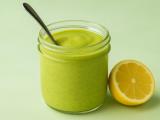
A simple tea can be made by simmering avocado peel in water for one to two minutes, letting it steep and cool for around 15 minutes, then straining it — a squeeze of lemon or a spoon of honey rounds out the flavour, and it can be enjoyed warm or chilled. Traditional use credits this kind of infusion with supporting digestion. It's worth noting that most existing research on avocado's digestive and cardiovascular benefits focuses on the leaves and flesh rather than the peel specifically — Foodwhisper has covered the traditional uses of avocado leaf tea and how avocado's healthy fats and potassium support a low-calorie, nutrient-dense drink in more detail. As with any fruit skin, only use avocado peel from fruit you're confident is unsprayed.
3. Pineapple Peel
Pineapple flesh is well known for its bromelain content — an enzyme many people associate with easing joint discomfort and supporting digestion, and Foodwhisper has previously looked at how pineapple and pepper combinations are used traditionally for throat and sinus comfort. The peel itself carries a meaningful share of the fruit's vitamin C and fibre, and a short simmer (two to three minutes), followed by cooling, straining, and a dash of lemon, produces a mild, tangy infusion that's often kept in the fridge as a refreshing summer drink. As with the flesh, people traditionally reach for it as a light, hydrating pick-me-up rather than a treatment for any condition.
4. Pomegranate Peel
Pomegranate is one of the most-studied fruits for antioxidant content, thanks to polyphenols and tannins concentrated largely in the peel and pith rather than the juicy arils. Research reviews link pomegranate antioxidants to anti-inflammatory activity, and some laboratory studies on pomegranate peel and seed compounds — summarised by WebMD's ingredient monograph — have looked at effects on cholesterol and blood pressure markers in animal models, though this doesn't automatically translate into a proven remedy for humans. Traditionally, dried and steeped pomegranate peel is used as a mild, tart tea, and some people apply it topically in skincare preparations, though skin benefits here are anecdotal rather than clinically established.
5. Citrus Peel
Anyone who has zested a lemon into a dish knows the peel carries far more aromatic punch than the juice alone — and that's not just flavour. Citrus peel is a concentrated source of vitamin C, flavonoids, and pectin fibre, and contains d-limonene, a compound studied for antioxidant and antibacterial properties. This applies broadly across lemons, limes, oranges, and grapefruit. The important caveat is the same one that applies to all peels: citrus is frequently waxed and treated post-harvest, so washing the fruit thoroughly, ideally with a baking-soda scrub, before using the peel is recommended, and organic, unwaxed fruit is the safer choice if you plan to eat or steep the skin.
A Simple Way to Use Them
Most of these peels can be prepared the same basic way: a short simmer, a cooling and straining step, and an optional touch of lemon or honey. Chilled, it becomes a light, homemade alternative to bottled drinks — though it's worth treating it as a pleasant addition to a balanced diet rather than a substitute for medical treatment of any kind. If you're pregnant, nursing, on medication, or managing a health condition, it's worth checking with a doctor before making fruit-peel infusions a regular habit, since peels can be more concentrated in certain compounds than the flesh.
Information on this website is for educational purposes only and is not medical advice.
expert, nutritionist
 Would you like to be informed about news on the website?














|

