





Canker Sores in the Mouth: The Home Remedies That Actually Help and the Ones You Shouldn
expert, nutritionist
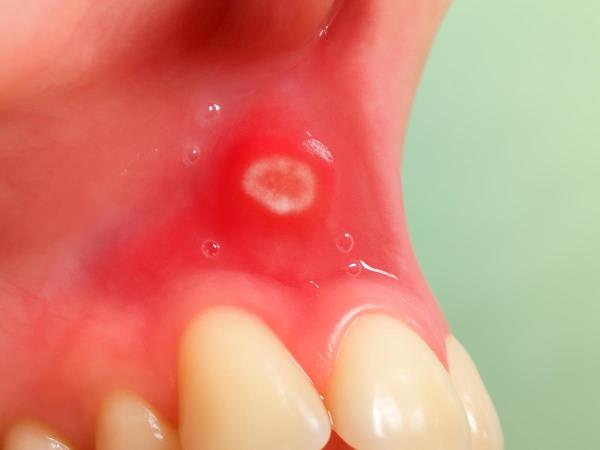
You bite into a sandwich, sip your morning coffee, or just try to talk — and suddenly a small, searing spot inside your cheek or lip makes you wince. Canker sores (also called aphthae or aphthous ulcers) are painfully common: research suggests roughly one in five people will deal with one at some point, and for many they keep coming back. What looks like a tiny white-and-red spot can quietly affect how well you chew, how much you enjoy meals, and — according to some — even your overall sense of wellbeing while it lingers, which is exactly why it deserves more attention than we usually give it.
Almost everyone has their own canker-sore story: the ulcer that showed up right before an important meeting, or the one that took what felt like forever to disappear. It's a small, universal kind of discomfort — annoying rather than dangerous for most people, but frustrating enough that entire aisles of pharmacy shelves are dedicated to soothing it.
Why Canker Sores Show Up in the First Place
Painful ulcers and sores on the lining of the mouth often appear alongside other stressors on the body, and they have a frustrating habit of recurring. According to the National Institute of Dental and Craniofacial Research, canker sores aren't contagious and their exact cause still isn't fully understood, though minor injury, acidic or abrasive foods, stress, and nutritional gaps are commonly linked triggers. Because eating properly becomes harder when your mouth is sore, it's worth taking the healing process seriously rather than just waiting it out.
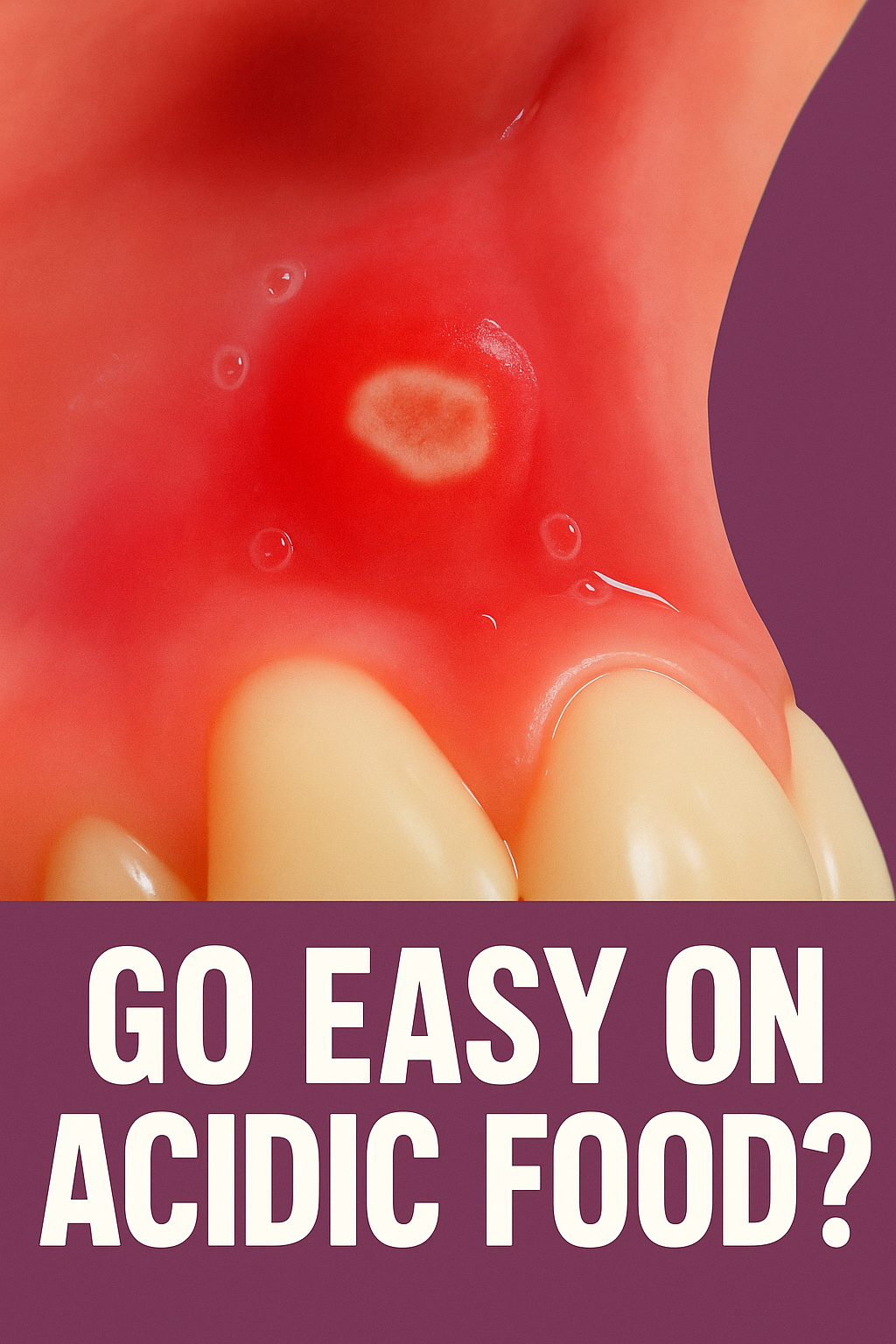
One simple first step: go easy on acidic food — not just food that tastes sour, but anything with a low pH, such as citrus, tomatoes, vinegar, or fizzy drinks — and lean instead on soothing herbal teas. The Cleveland Clinic notes that most canker sores are minor and heal on their own within one to two weeks, but that doesn't mean you have to just wait it out in discomfort.
What Pharmacies Offer — and Where Propolis Fits In
Pharmacies stock an entire range of products for mouth ulcers. One frequently mentioned option is the liquid film-forming gel Urgo Filmogel for canker sores, which forms a thin protective coating over the sore to shield it from food and saliva while it heals. But propolis — the resin-like substance bees make from tree sap to protect their hive — remains one of the most consistently recommended natural options. If you go this route, quality matters: look for a well-sourced, reputable product rather than the cheapest option on the shelf.
Propolis isn't just folklore here. A small randomized, placebo-controlled trial published on PubMed found that people taking daily propolis capsules had significantly fewer canker sore flare-ups than those on a placebo, along with a reported improvement in quality of life. A more recent systematic review and meta-analysis looking across multiple trials found that topical propolis was associated with faster pain relief and healing compared with placebo — though the review's authors are careful to note that larger, more consistent trials are still needed before firm conclusions can be drawn. In short: promising, but not a guaranteed cure.
Rinses, Alcohol, and What to Skip While You Heal
Beyond propolis, plain comfort measures go a long way. Mouth rinses and a mouthful of warm salt water — held for a short while before spitting out — are frequently recommended to ease the sting. According to Colgate's oral health resources, a salt water rinse is an old, low-cost remedy believed to support gum health and ease recovery from mouth ulcers, and dental sources generally describe it as gentle and low-risk when used a few times a day.
On the other side of the list: alcohol, citrus fruits, chewing gum, and vinegar tend to make things worse while a sore is healing, so it's worth steering clear of them until things settle down. If you're rethinking what goes on your plate while you heal, our piece on what not to eat early in the morning (or late at night) has some useful pointers on gentler alternatives, including a soothing herbal tea blend for an irritated stomach lining.
Black and Green Tea: An Old Habit With Some Backing
Drinking black or green tea is also commonly suggested, largely because both are rich in tannins — plant compounds that are traditionally associated with soothing and cleansing properties for irritated tissue. A helpful trick if you go this route: let the tea cool down first, then swish it gently around your mouth before swallowing (or drink it as usual). If you enjoy tea as part of your routine anyway, it's a low-effort habit to lean on while a sore heals — and it pairs well with the general chamomile-and-lemon-balm swap-out for sugary drinks we cover in how sweetened drinks may affect your thyroid.
Sage Tea: One of the Most Recommended Herbal Remedies
Among home remedies for mouth discomfort, sage tea is repeatedly singled out as one of the more effective options. To prepare it, steep about two teaspoons of dried sage leaves in a cup of freshly boiled water and let it cool before using it as a rinse. According to a review published in PMC on the pharmacological properties of Salvia officinalis, sage contains tannins, rosmarinic acid, and essential oils that have been studied for antimicrobial and anti-inflammatory activity, which may help explain its long history of use as a gargle for mouth and throat irritation. PeaceHealth's herbal medicine reference similarly notes that European herbal traditions commonly recommend a sage tea gargle for sore throat and mouth inflammation, and that lab studies have found antibacterial and antiviral activity in sage oil.
One caution worth repeating: don't overdo it. Drinking sage tea in excess has been associated with stomach cramps in some people, so stick to moderate amounts, particularly if you're using it regularly rather than just occasionally.
Chamomile and Thyme: Gentle Alternatives
If sage isn't your thing, chamomile tea and thyme tea are reasonable substitutes — both are traditionally used to calm inflammation and support healing of irritated mucous membranes. They're gentler in flavor, which can make them easier to sip slowly and use as a mouth rinse throughout the day.
The Bottom Line
Most canker sores are uncomfortable rather than serious, and they tend to resolve within one to two weeks with a bit of extra care: avoiding acidic and irritating foods, leaning on soothing rinses like salt water or cooled sage or black tea, and considering a quality propolis product if you want extra support. That said, if a sore is unusually large, doesn't improve after a couple of weeks, or keeps recurring frequently, it's worth checking in with a dentist or doctor, since persistent or severe mouth ulcers can sometimes point to an underlying issue worth investigating.
Information on this website is for educational purposes only and is not medical advice.
expert, nutritionist
 Would you like to be informed about news on the website?














|

