





Monk's Pepper: The 2,500-Year-Old Herb That Quietly Balances Women's Hormones — Without a Single Pill
expert, nutritionist
For thousands of years, one small Mediterranean berry has been quietly used to ease the ups and downs of the menstrual cycle — today, modern clinical research is finally catching up with what traditional medicine already suspected.
A Cycle That Finally Made Sense
For many women, the days before a period can feel like living with a stranger in your own body — mood swings, breast tenderness, bloating, irritability that seems to come from nowhere. It's an experience so common that an estimated one in five menstruating women deals with clinically significant premenstrual symptoms, and roughly 5% meet the criteria for the more severe premenstrual dysphoric disorder (PMDD), according to a review published in the journal Archives of Women's Mental Health.
It's exactly this kind of monthly disruption that has, for over two millennia, sent people looking for one particular shrub: Vitex agnus-castus.
Meet the Plant: Monk's Pepper, Chasteberry, Women's Herb
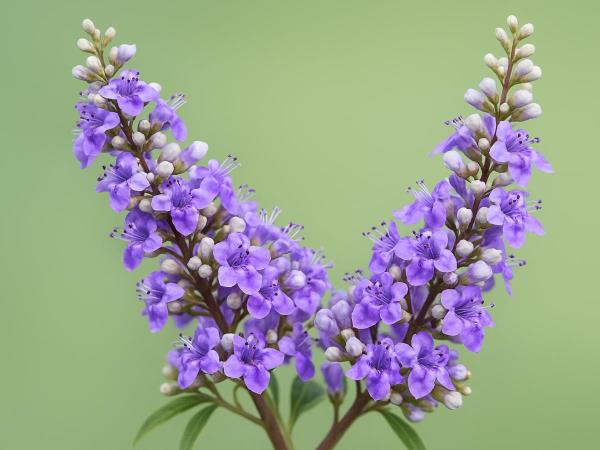
Known in different traditions as monk's pepper, chaste tree, chasteberry, or simply "the women's herb," Vitex Agnus Castus is a Mediterranean shrub whose small, peppery-tasting berries have made their way from ancient temples into modern pharmacies. In many European countries it is now sold as an over-the-counter herbal remedy, and it has become one of the more researched botanicals used for menstrual and hormonal complaints — including PMS, cyclical breast pain, and symptoms associated with menopause.
Despite being popularly described as a "hormone regulator," Vitex agnus-castus is not itself a hormone and contains no hormones. Instead, research suggests its extract interacts with the pituitary gland and dopamine receptors, which can influence the release of prolactin — a hormone involved in several premenstrual symptoms, according to an assessment report from the European Medicines Agency (EMA). Because it works through this indirect pathway rather than delivering hormones directly, its effects tend to build gradually — most studies measure results after two to three menstrual cycles, not overnight.
What the Research Actually Shows
Interest in Vitex agnus-castus isn't just folklore — it has been the subject of a genuine body of clinical research:
- A systematic review of eight randomized controlled trials found that all eight studies reported a positive effect of Vitex agnus-castus on PMS or PMDD symptoms, with the herb generally well tolerated.
- A large real-world cohort study of 1,700 women published via the National Center for Biotechnology Information found that a three-month course of Vitex-based products was associated with a marked reduction in breast tenderness and irregular cycles.
- A double-blind, placebo-controlled multi-center trial concluded the extract was "a safe, well tolerated and effective" option for moderate to severe PMS, without serious adverse events.
- A meta-analysis published in Phytomedicine pooled multiple double-blind trials to evaluate its efficacy for PMS symptom relief specifically.
Taken together, this is a meaningfully larger and more consistent evidence base than most traditional herbal remedies can claim — though, as with any supplement, individual results vary, and researchers note that differences in extract preparation make direct comparisons between studies difficult.
Not Just a "Women's Herb"
While its historical reputation is overwhelmingly feminine, Vitex agnus-castus has also drawn interest in men's health, particularly around prostate wellness and general vitality. Early research in this area is promising but considerably less developed than the PMS evidence, so it's best understood as an area still under investigation rather than an established use.
A Berry With an Ancient Reputation
Long before clinical trials existed, Vitex agnus-castus already carried a reputation that shifted depending on who was using it. In ancient Greece, it was associated with rituals honoring fertility goddesses, and folklore held that it helped women suppress romantic and sexual urges during religious observances — which is very likely the origin of the name "chaste tree."
That same reputed anti-aphrodisiac quality made it popular in medieval monasteries, where monks are said to have used it to help curb libido — giving rise to the nickname "monk's pepper" (the "pepper" referring to the sharp, peppery taste of the dried berries, not any relation to actual pepper). Beyond that specific use, medieval herbalists also reached for Vitex to treat wounds, abdominal pain, spleen ailments, and headaches — a far broader traditional use than its modern, more narrowly focused hormonal reputation suggests.
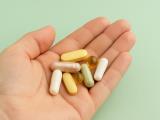
Today's herbal and homeopathic preparations are a different matter from the raw dried berries of centuries past, and the two shouldn't be assumed to work identically. Modern supplements are typically standardized extracts, often available as capsules containing a specific measured dose, sold with instructions and safety information rather than folk custom.
Hormones, Food, and the Bigger Picture
Vitex agnus-castus doesn't work in isolation from the rest of your health — hormonal balance is deeply connected to diet, sleep, and lifestyle. If premenstrual symptoms or hormonal shifts are something you're managing, it's worth looking at the fuller picture. Foodwhisper has covered several of the pieces that tend to interact with this: how hormonal changes around menstruation and menopause affect water retention and weight, how everyday sugary drinks can quietly disrupt thyroid hormone balance, and why seeds like flax are worth adding to your plate, since they contain plant compounds that may help regulate hormones, especially around menopause.
The Bottom Line
Vitex agnus-castus is one of the rare traditional herbs whose folk reputation and modern clinical research largely point in the same direction — though, as with any supplement, results build gradually over weeks rather than days, and it's not a fit for everyone. If you're pregnant, trying to conceive, or taking hormonal contraception or medication, talk to your doctor before adding it to your routine. For everyone else, it remains one of the more interesting, well-studied entries in the world of traditional botanicals — a small, peppery-tasting berry with a genuinely 2,500-year-old story behind it.
Information on this website is for educational purposes only and is not medical advice.
expert, nutritionist
 Would you like to be informed about news on the website?









|

