


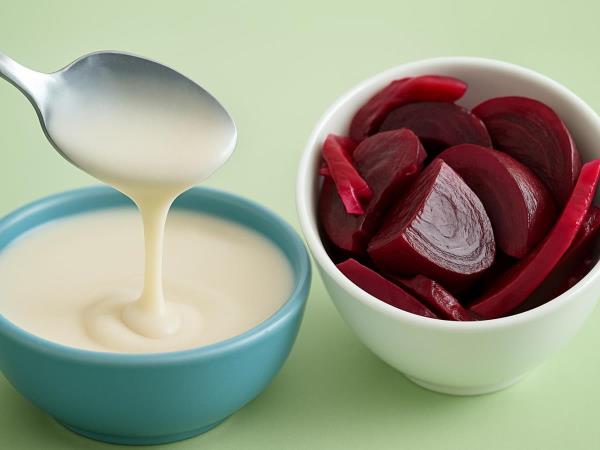



Kefir and beetroot: two foods that your digestion knows and nutritionists increasingly recommend together
expert, nutritionist
One reader was convinced for years that she had a slow metabolism and that no diet would help her. Recently, following the advice of a well-known nutritionist, she replaced her dinners for three days with a combination of cooked beetroot and kefir. She said that after just two days her digestion improved, she felt lighter, and for the first time in a long while, she woke up in the morning without abdominal tension. She didn’t claim miraculous weight loss – but simply that her body finally relaxed.
There are many such stories. And although miracles in nutrition do not exist, there are food combinations that truly help the body. The combination of kefir and beetroot is one that nutritionists mention more and more often.
Why beetroot?
Beetroot is among the more underrated foods in our kitchen. It contains nitrates, which are converted in the body into nitric oxide – a compound that dilates blood vessels and increases the flow of oxygen-rich blood. In addition, it is rich in betalain – a natural pigment with antioxidant and anti-inflammatory properties – as well as folic acid, potassium, and iron.
What is especially valuable about beetroot from a weight regulation perspective: beetroot is low in calories but rich in vitamins and minerals. The fiber it contains promotes digestive health and regulates blood sugar levels. Simply put: it satisfies without unnecessary calories. A systematic review of randomized clinical trials in the journal British Journal of Nutrition shows that beetroot itself or its nitrates do not directly reduce body weight – but it is an excellent component of a balanced weight loss diet because it is satisfying and does not burden digestion.
One caution: excessive consumption of beetroot can cause elevated oxalate levels, increasing the risk of kidney stones. That’s why the measured amounts in the protocol below are considered reasonable and safe for most healthy adults.
Why kefir?
Kefir is a fermented dairy drink that contains beneficial lactic acid bacteria and yeasts. Many experts rank it among the most interesting foods for the gut – the gut is often called the second brain today. It is said to contain more than 100 trillion microorganisms that influence digestion, immune system, mood, and even body weight.
A randomized controlled study published in PMC (National Institutes of Health) showed that regular kefir consumption affects the composition of gut microbiota and increases the share of beneficial bacteria (Lactobacillus and Bifidobacterium). Kefir boosts immunity, increases energy, and enhances metabolism. Kefir is a probiotic proven to inhibit the growth of harmful bacteria, including salmonella, H. pylori, and E. coli.
Good news for those sensitive to lactose: the fermentation process breaks down most of the milk sugar, so kefir is better tolerated by most people than regular milk. It contains plenty of vitamins A, B6, C, E and K and is rich in minerals and electrolytes.
What happens when you combine them?
When you combine fiber, protein, and beneficial bacteria, you get a combination that keeps you fuller for longer and doesn't cause a feeling of heaviness. Beetroot, with its fiber, ensures the slow release of energy and supports intestinal peristalsis, while kefir, with its live cultures, supports gut flora and speeds up metabolism. Together they form a natural nutritional duo that helps the body work more efficiently.
Of course – as also emphasized at Vemkajjem.si in their article about how nutritionists lose weight – no diet should be based on deprivation and hunger. Every weight loss phase should be short, controlled, and followed by a return to balanced eating.

Three-day protocol: what it looks like in practice
Nutrition experts suggest a short, 3-day cleansing period that supports digestion and creates conditions for gradual regulation of body weight. Note: this protocol is not suitable for people with liver, kidney, or stomach problems – if that applies to you, consult your doctor before starting.
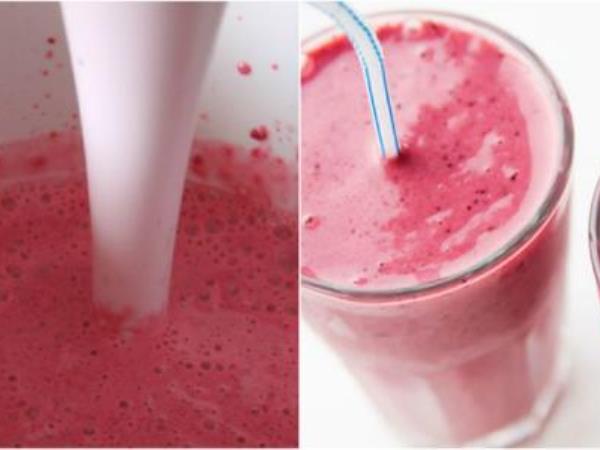
Day 1–3: Throughout the day, consume 1 kg of cooked beetroot and 1.5 liters of low-fat kefir, divided into 5 to 6 meals. You can grate the beetroot and mix it with kefir, cut it into cubes and eat with a spoon, or blend it into a smooth drink. Be sure to drink enough water. Don’t forget: Water is key to prevent dehydration.
Day 4 gradually start introducing normal foods: add 400 g of apples, citrus, cooked chicken or fish to the beetroot and kefir, divided into 3 main meals. The amount of beetroot and kefir remains the same.
After a week take a break and return to your regular eating habits. Just be careful not to exceed your daily caloric intake and to maintain at least 5 meals per day. No diet based on deprivation yields results in the long term – the body should never be hungry.
Practical tips for better results
- Steam beetroot with the skin on – although heat treatment reduces some active substances, steaming preserves more nutrients than boiling in water.
- Don’t drink kefir when it’s too cold – let it stand at room temperature for at least 15 minutes before consumption so the beneficial bacteria are more active.
- Do not drink kefir right before bedtime – the right time is at least 2 hours before sleep, otherwise the body won’t fully digest it.
- Beetroot colors urine red-purple – this is a normal phenomenon and no reason for concern.
Information on this website is for educational purposes only and is not medical advice.
expert, nutritionist
 Would you like to be informed about news on the website?














|

