




Date: 08/03/2026 - GOOD TO KNOW
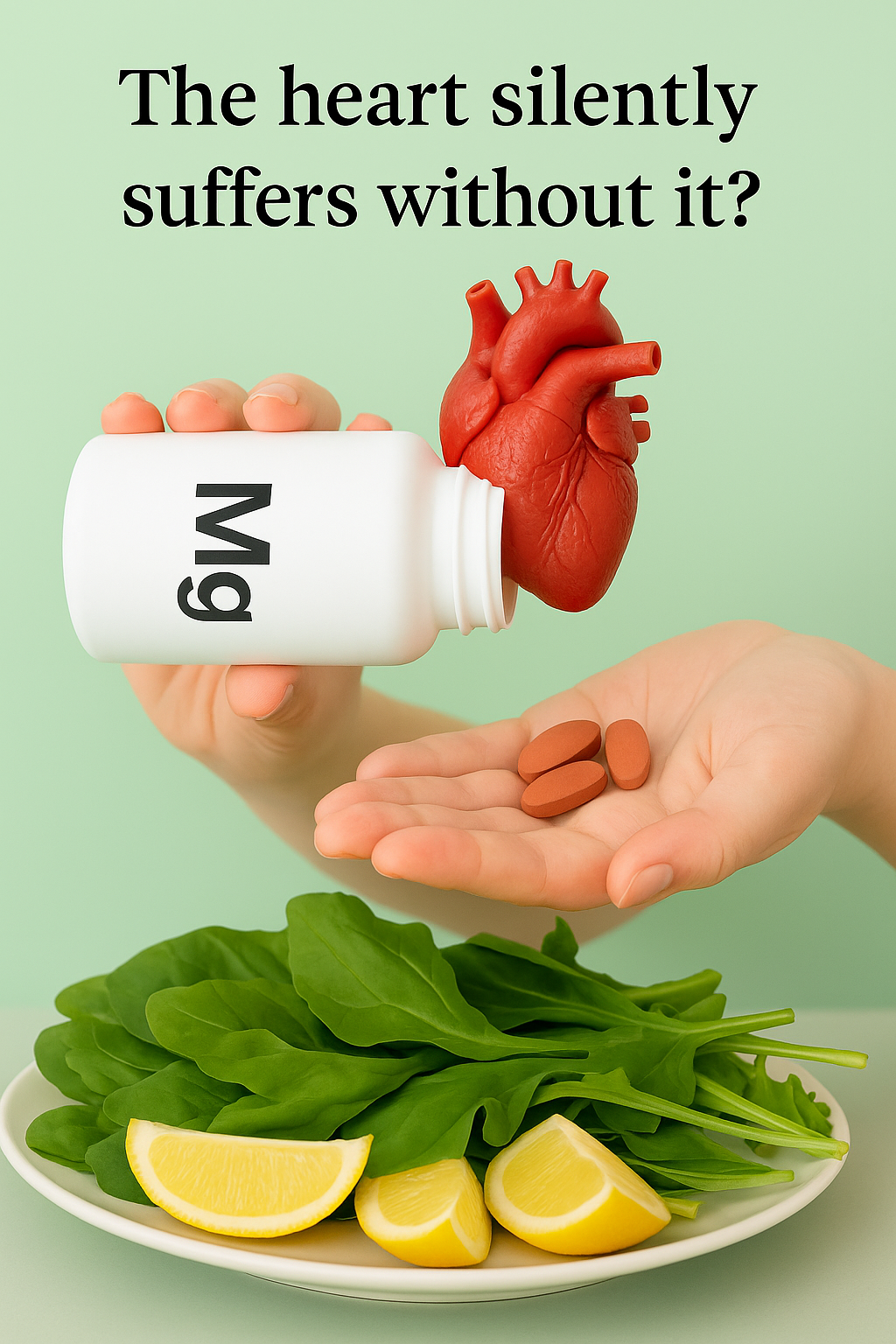
The silent mineral that most people don’t take seriously – but without it, the heart silently suffers
AUTHOR:
Zvone Stor
expert, nutritionist
expert, nutritionist
Research shows that magnesium deficiency is linked to high blood pressure, hardening of the arteries, and heart attack – and most adults consume too little of it.
Do you often get muscle cramps in the middle of the night? Does your heart occasionally stop, skip a beat, or beat too fast? Are you often tired, without a real reason? Perhaps stress is not to blame, as you might think. Maybe it's magnesium, the silent ally of our body, which many overlook until it's too late.
Let us explain why magnesium deficiency is one of the most underestimated causes of cardiovascular diseases, which are still the leading cause of death worldwide.
What do the studies say?
A group of international researchers reviewed all the most important studies published since 1937, which means nearly 90 years of scientific findings. Their surprising discovery is that low magnesium levels in the body are strongly associated with heart and vascular problems.
The researchers asked themselves why, despite decades of statin use (drugs that lower blood fat levels), we still see extremely high mortality from heart diseases. And they found that the cause isn’t where we’ve been looking all this time.
Magnesium: The silent hero in your body
Magnesium is a mineral that our body urgently needs for more than 300 different functions: from muscle and nerve function to regulating blood sugar and blood pressure. But the story doesn't end there.
When there is too little magnesium in the body, small changes start to occur that we don’t notice for a long time. The blood vessels slowly begin to clog, blood pressure rises, and the heart struggles to maintain balance. Slowly but persistently, the body shows signs of exhaustion.
Research published in BMJ Open Heart warns that low magnesium levels are directly linked to calcification of soft tissues. This means that soft tissues, such as blood vessels, begin to harden as if limestone is being deposited inside them. This increases the risk of heart attack or stroke.
Calcium without magnesium? A dangerous combination
Many people today take calcium supplements, either for bones or against osteoporosis. But here lies a danger. If you take calcium without enough magnesium, it can lead to an imbalance, which further increases the risk of hardening of the arteries.
As well-known American nutritionist Dr. Carolyn Dean explains, the ideal ratio between calcium and magnesium is 1:1, while most people today consume even five times more calcium than magnesium, which is completely wrong.
What does the statistics say?
According to data from the National Institutes of Health in the USA (NIH):
In the past, our ancestors obtained magnesium naturally from drinking water that ran over rocky ground, from vegetables from the home garden, and from grains that were not industrially processed. Today, however, we mostly eat processed foods full of salt, sugar, and preservatives, which wash magnesium out of the body.
In addition, stress, which is not in short supply nowadays, further depletes this mineral from the body. Experts say that every time you’re stressed, your body uses up more magnesium because it needs it to calm the nervous system.
Legumes, nuts, and... problems with modern diet
Another problem is that today’s diet often lacks foods rich in magnesium. Legumes such as beans, lentils, and chickpeas, and nuts such as almonds, hazelnuts, and cashews, are among the best natural sources. Yet most people consume too little of them.
100 grams of almonds, for example, contains about 270 mg of magnesium, which already covers about 70% of an adult's daily requirement. But how many people actually eat them every day? And how many instead opt for cookies or sandwiches?
The heart beats if it has enough fuel
The heart muscle has more receptors for magnesium than any other muscle in the body. Without magnesium, it works more slowly, irregularly, and gets tired. And this is where that familiar skipping heartbeat feeling comes in, which many describe as if the heart turns over in the chest.
According to a study in the European Journal of Clinical Nutrition, people with sufficient magnesium intake are 30% less likely to suffer a heart attack.
In addition, a study from the journal Circulation from 2013 finds that long-term magnesium deficiency leads to chronic high blood pressure, which is a direct ticket to heart problems.
Magnesium in folk medicine
The elderly may have really used other terms, but they were well aware of the effects of magnesium-rich foods. In addition, they recommended baths with Epsom salt, which is very rich in magnesium sulfate and, when absorbed through the skin, has a calming, relaxing, and detoxifying effect.
So what can you do?
If you have heart or blood pressure problems, don’t reach for medications right away. First, check if your body is simply lacking basic building blocks, like magnesium.
According to the World Health Organization (WHO) recommendations, an adult should consume at least 310 to 420 mg of magnesium daily, depending on gender and age. But you can quickly reach this number with a few simple steps:
Final thoughts
It may sound simple, but the truth is this: health is not always in complicated therapies, but often in small, overlooked things. Magnesium is not a miracle worker, but for many, it can be a turning point.
The heart, as the strongest muscle in the body, beats for you 100,000 times a day. Ask yourself: are you giving it what it needs?
Information on this website is for educational purposes only and is not medical advice.
Let us explain why magnesium deficiency is one of the most underestimated causes of cardiovascular diseases, which are still the leading cause of death worldwide.
What do the studies say?
A group of international researchers reviewed all the most important studies published since 1937, which means nearly 90 years of scientific findings. Their surprising discovery is that low magnesium levels in the body are strongly associated with heart and vascular problems.
The researchers asked themselves why, despite decades of statin use (drugs that lower blood fat levels), we still see extremely high mortality from heart diseases. And they found that the cause isn’t where we’ve been looking all this time.
Magnesium: The silent hero in your body
Magnesium is a mineral that our body urgently needs for more than 300 different functions: from muscle and nerve function to regulating blood sugar and blood pressure. But the story doesn't end there.
When there is too little magnesium in the body, small changes start to occur that we don’t notice for a long time. The blood vessels slowly begin to clog, blood pressure rises, and the heart struggles to maintain balance. Slowly but persistently, the body shows signs of exhaustion.
Research published in BMJ Open Heart warns that low magnesium levels are directly linked to calcification of soft tissues. This means that soft tissues, such as blood vessels, begin to harden as if limestone is being deposited inside them. This increases the risk of heart attack or stroke.
Calcium without magnesium? A dangerous combination
Many people today take calcium supplements, either for bones or against osteoporosis. But here lies a danger. If you take calcium without enough magnesium, it can lead to an imbalance, which further increases the risk of hardening of the arteries.
As well-known American nutritionist Dr. Carolyn Dean explains, the ideal ratio between calcium and magnesium is 1:1, while most people today consume even five times more calcium than magnesium, which is completely wrong.
What does the statistics say?
According to data from the National Institutes of Health in the USA (NIH):
- over 60% of adults do not consume the recommended amounts of magnesium;
- in the USA, about 48% of the population has magnesium levels below normal in their blood;
- for Europe, there is no completely accurate data, but dietary patterns indicate a similar deficiency as in the USA.
In the past, our ancestors obtained magnesium naturally from drinking water that ran over rocky ground, from vegetables from the home garden, and from grains that were not industrially processed. Today, however, we mostly eat processed foods full of salt, sugar, and preservatives, which wash magnesium out of the body.
In addition, stress, which is not in short supply nowadays, further depletes this mineral from the body. Experts say that every time you’re stressed, your body uses up more magnesium because it needs it to calm the nervous system.
Legumes, nuts, and... problems with modern diet
Another problem is that today’s diet often lacks foods rich in magnesium. Legumes such as beans, lentils, and chickpeas, and nuts such as almonds, hazelnuts, and cashews, are among the best natural sources. Yet most people consume too little of them.
100 grams of almonds, for example, contains about 270 mg of magnesium, which already covers about 70% of an adult's daily requirement. But how many people actually eat them every day? And how many instead opt for cookies or sandwiches?
The heart beats if it has enough fuel
The heart muscle has more receptors for magnesium than any other muscle in the body. Without magnesium, it works more slowly, irregularly, and gets tired. And this is where that familiar skipping heartbeat feeling comes in, which many describe as if the heart turns over in the chest.
According to a study in the European Journal of Clinical Nutrition, people with sufficient magnesium intake are 30% less likely to suffer a heart attack.
In addition, a study from the journal Circulation from 2013 finds that long-term magnesium deficiency leads to chronic high blood pressure, which is a direct ticket to heart problems.
Magnesium in folk medicine
The elderly may have really used other terms, but they were well aware of the effects of magnesium-rich foods. In addition, they recommended baths with Epsom salt, which is very rich in magnesium sulfate and, when absorbed through the skin, has a calming, relaxing, and detoxifying effect.
So what can you do?
If you have heart or blood pressure problems, don’t reach for medications right away. First, check if your body is simply lacking basic building blocks, like magnesium.
According to the World Health Organization (WHO) recommendations, an adult should consume at least 310 to 420 mg of magnesium daily, depending on gender and age. But you can quickly reach this number with a few simple steps:
- A handful of pumpkin seeds in the morning,
- some almonds or cashews during the day,
- add lentils or chickpeas to lunch,
- and in the evening, a bath with magnesium salt.
Final thoughts
It may sound simple, but the truth is this: health is not always in complicated therapies, but often in small, overlooked things. Magnesium is not a miracle worker, but for many, it can be a turning point.
The heart, as the strongest muscle in the body, beats for you 100,000 times a day. Ask yourself: are you giving it what it needs?
Information on this website is for educational purposes only and is not medical advice.
Author:
Zvone Stor
expert, nutritionist
expert, nutritionist
 Would you like to be informed about news on the website?
Just enter your e-mail
Magnesium deficiency symptoms
Heart health and magnesium
Low magnesium levels effects
Importance of magnesium intake
Natural sources of magnesium
Latest news





Four Ingredients Every Kitchen Already Has: The Morning Drink Healthy-Living Fans Swear By
Read more >>







After 40, the Pounds Don't Just Appear – Your Body Is Sending You a Message Most Women Misread
Read more >>

The Humble Bean That Takes On Cholesterol: Why Legumes Are Not Just Peasant Food but a Friend to Your Heart
Read more >>

When a Kids' Drink Beats Sports Drinks: What Science Really Says About Chocolate Milk After Training
Read more >>

Interaktive Widgets:
|

