






Why You Should Eat a Piece of Melon Every Day: 5 Reasons That Go Beyond Thirst
expert, nutritionist
Just a few pieces of melon in the morning can transform your day. It’s no coincidence – melon is one of those fruits that nourishes, hydrates, and helps the body maintain internal balance, all at once. Because it contains more than 90% water, it is indispensable in the summer, but its value extends far beyond simply quenching thirst.
A friend, who had struggled with bloating and slow digestion for a long time, once told me she simply started eating a small piece of melon every morning. After two weeks, she noticed less bloating and her digestion normalized. There was no strict protocol – just one piece of melon, every day, in the morning.
1. Antioxidants that Protect Cells
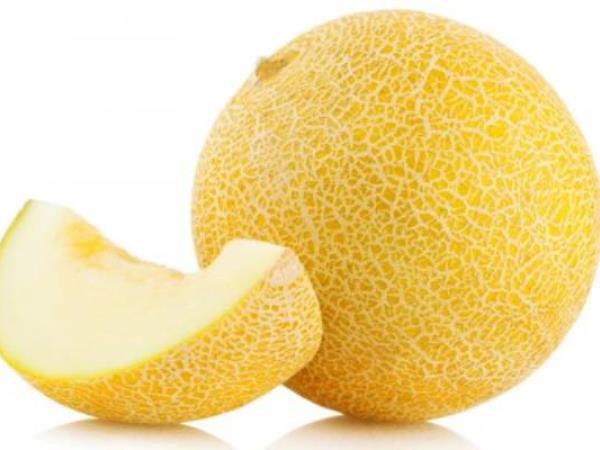
Melon is a rich source of antioxidant flavonoids such as beta-carotene, lutein, zeaxanthin, and cryptoxanthin. These antioxidants act protectively in the body – carotenoids are known to support heart, circulatory, and immune system health. Moreover, some studies suggest that carotenoid-rich diets may contribute to a lower risk of certain chronic diseases. To nuance: this is one part of a holistic healthy diet, not a substitute for medical advice. As little as 100 grams of melon per day is enough to add a substantial dose of these protective substances to your body. Also read: The Benefits of Eating Seasonal Fruits and Vegetables.

2. Heart and Circulation
Melon contains anticoagulants and adenosine, which help keep blood flow normal, thus contributing to cardiovascular health. Plus, melon is a good source of potassium – a whole 417 mg per cup of diced fruit – which regulates heartbeat and helps maintain normal blood pressure. Potassium acts as a natural vasodilator, relaxing blood vessels and lowering the pressure on the heart and arteries.
A winning combination? Melon, garlic, and leek together form natural anticoagulants that support heart health – add lemon and you have a drink worth trying.

3. Digestion, Energy, and Body Weight
Melons speed up metabolic processes and help maintain the proper acid level in the stomach. They also contain B vitamins, which contribute to normal energy metabolism. The fiber in melons helps improve digestion and supports regular bowel function. Because melon is low in calories and high in water, it is ideal for those watching their calorie intake. Among fruits, melon has one of the best ratios between energy value and sugar content – meaning: it’s sweet but not burdensome.
Recommendation: eat melon in the morning or before noon, not late at night, because fruit is most beneficial when eaten on an empty stomach, as research suggests – the cleansing effect is greatest then. A good night’s sleep is the reward that follows.

4. More Beautiful and Supple Skin
Melon contains vitamin C, which stimulates the production of collagen – a protein that gives skin elasticity and aids in healing minor wounds. Collagen in the skin decreases by about 1% each year after age 25, so a diet promoting collagen production is all the more valuable. Beta-carotene is converted in the body to vitamin A, which is needed for healthy eyes and contributes to healthier skin. It’s no coincidence that in some places, melon is even used as a natural face mask – instead of cucumber – for a freshening and rejuvenating effect.
For more about how food affects skin and aging, read: Food that Also Serves for Beauty.

5. Detoxification and Alkaline Balance
Melon is a natural diuretic – helping the body eliminate excess fluid and supporting normal kidney function. Especially beneficial for those who occasionally struggle with water retention or body acidity (e.g. with gout or eczema). Among fruits rich in water and vitamins, melons are particularly recommended as a part of breakfast or a mid-morning snack. For best detox effects, eat melon in the morning – and combine it with lemon. Lemon, after all, stimulates collagen formation and, together with vitamin C, acts as an antioxidant fighting free radicals.
Fun Fact: The Melon that Became a Courtly Habit
The European melon, which we most often see at our markets, has a slightly ribbed, pale green skin. It was only domesticated in the 18th century, even though the first records of melon cultivation date back almost 4,000 years. The breakthrough happened at the request of the Pope – after years of experimenting, his personal gardener managed to cultivate a fruit resilient enough for the capricious Mediterranean climate.
Practical Tip: How to Include Melon in Your Everyday Life
- In the morning: a few pieces of melon for breakfast or a mid-morning snack
- Detox combination: melon + lemon juice
- For the heart: melon + garlic + leek (as a sauce or salad)
- For the skin: regular intake of vitamin C from melons and lemons supports collagen formation
This is a simple, tasty, and accessible food that can be easily included in any diet. And as you can see – it’s worth making the effort.
Information on this website is for educational purposes only and is not medical advice.
expert, nutritionist
 Would you like to be informed about news on the website?















|

