





Date: 06/25/2026 - GOOD TO KNOW
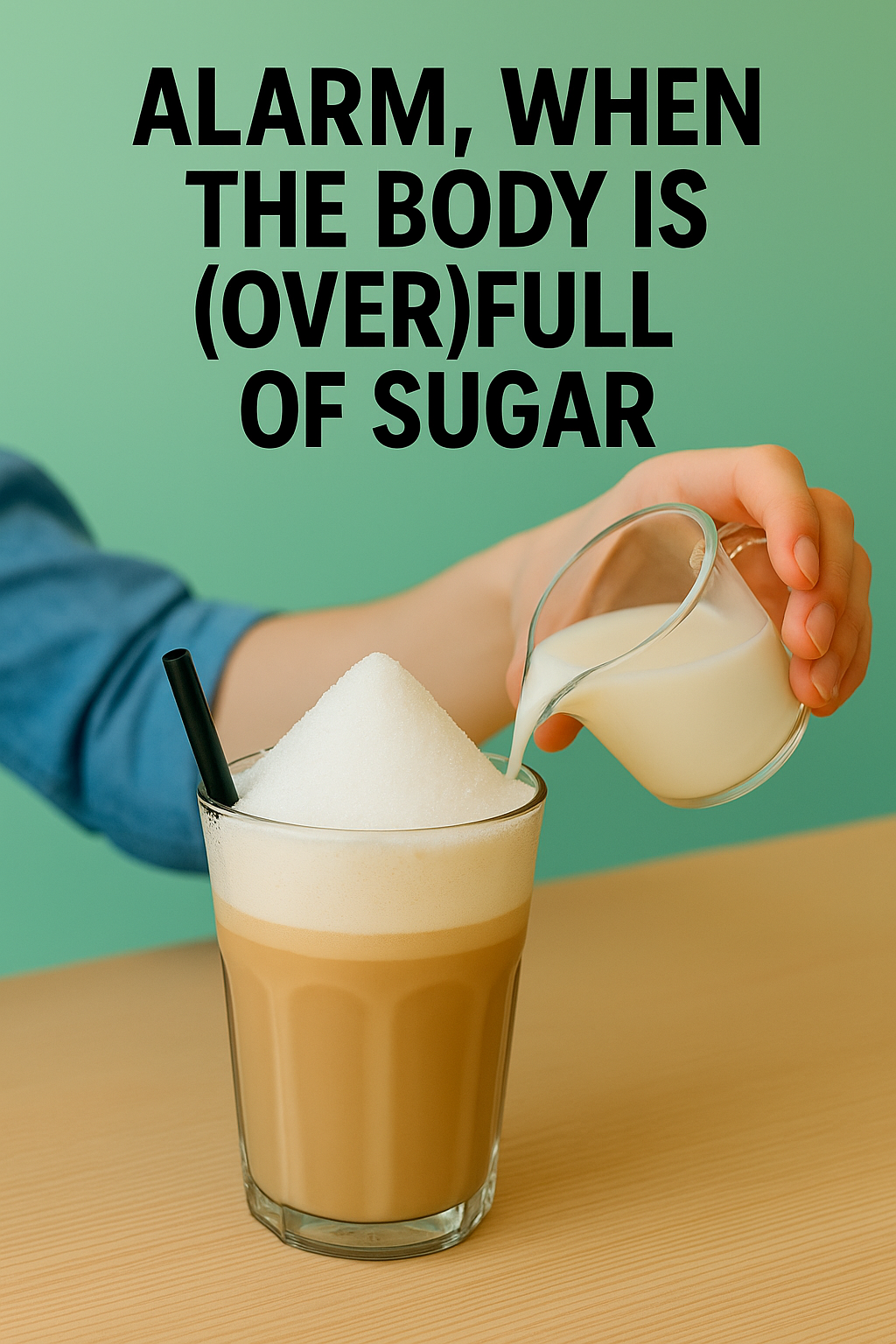
Alarm, when the body is (over)full of sugar
AUTHOR:
Zvone Stor
expert, nutritionist
expert, nutritionist
Most people think that only diabetics have problems with elevated blood sugar, but that's not true. We offer you 9 ways to recognize sugar overdose.
Sugar is more dangerous than alcohol and causes a much stronger addiction, which most people are never even aware of. In addition, an overdose can occur even in people who don't eat sugar. Even a small amount can throw them off balance, even to the point of losing consciousness. So, how can you tell when there is too much sugar in your body?
1. Constant hunger
A high blood sugar level prevents glucose from entering the cells, so we feel like we have no energy and are constantly hungry.
2. Constant fatigue
When there is too much sugar in the body, it loses the natural ability to store and absorb glucose. Energy is spent on completely useless things (excessive sweating, feeling hot), or it gets converted from energy reserves, which is why we say sugar makes you gain weight. But remember, not every fatigue means too much sugar. This is about fatigue that appears for no reason.
3. Frequent urination
When there is too much sugar in the body, the bladder can't properly distribute fluid throughout the body. This triggers a process to regulate blood glucose, meaning you go to the bathroom more often. This means your body needs more fluids (water, of course!) to balance the internal sugar concentration. So: in such cases, drink and go to the bathroom without worry—this means your body's processes are working.
4. Dry mouth, thirst
When the body quickly loses a lot of fluid, the part of the brain responsible for detecting dehydration sends out a thirst signal. Many people mistake this signal for hunger, which is very dangerous for gaining additional weight. Drink only water, exceptionally unsweetened tea as well, but the key task is to find out why your fluid level dropped so suddenly.
5. Weight loss
Yes, sugar can also cause you to lose weight, but this is unhealthy and extremely rapid weight loss, which you should prevent even if you like it. Rapid weight loss is mostly due to fluid loss in the body, and dehydration can cause permanent consequences. When the insulin level in the blood is insufficient, the body starts to use fat reserves for energy to normalize sugar levels. Weight loss usually comes with intense thirst and a dry mouth. Don't persist in such a state—look for a different way to lose weight.
6. Dry skin
Dry skin can also be a result of too much sugar. Even more—it’s a sign of a lack of fluids. The problem of dry skin can also indicate issues like atherosclerosis, poor blood circulation, and vascular problems. Moreover, problems with sweat glands can be hiding behind dry skin, which again results from dehydration.
7. Circulation problems
Do you feel cold in the summer? Do you have cold feet, hands, nose? Too much sugar blocks glucose from entering the brain, which at first causes fatigue, then the body channels all energy to the head, leaving less for other body parts. The most dangerous is cooling in the liver and kidney area.
8. Blurred vision
Do you ever lose your vision for a moment, see everything blurry, or have double vision? When there’s too much sugar, the eye loses the ability to focus sharply. Here too, the solution is more fluids.
9. Nervousness
Nervousness, irritability… People with too much sugar, whose level suddenly drops, are prone to depression, are usually cranky, and apathetic. The same goes for their thoughts and actions. People with negative energy often simply have too much sugar in their bodies, and a glass or two of water would calm them down.
Finally, an important scientific finding: Insulin in the blood cannot work effectively if the body does not have enough chromium. Chromium is what helps maintain blood sugar levels.
And where do we find chromium?
The foods with the most chromium are: grains, potatoes, dried plums, peanut butter, nuts, seafood, meat, eggs, tomatoes, head lettuce, mushrooms, cocoa, brewer’s yeast...
Information on this website is for educational purposes only and is not medical advice.
1. Constant hunger
A high blood sugar level prevents glucose from entering the cells, so we feel like we have no energy and are constantly hungry.
2. Constant fatigue
When there is too much sugar in the body, it loses the natural ability to store and absorb glucose. Energy is spent on completely useless things (excessive sweating, feeling hot), or it gets converted from energy reserves, which is why we say sugar makes you gain weight. But remember, not every fatigue means too much sugar. This is about fatigue that appears for no reason.
3. Frequent urination
When there is too much sugar in the body, the bladder can't properly distribute fluid throughout the body. This triggers a process to regulate blood glucose, meaning you go to the bathroom more often. This means your body needs more fluids (water, of course!) to balance the internal sugar concentration. So: in such cases, drink and go to the bathroom without worry—this means your body's processes are working.
4. Dry mouth, thirst
When the body quickly loses a lot of fluid, the part of the brain responsible for detecting dehydration sends out a thirst signal. Many people mistake this signal for hunger, which is very dangerous for gaining additional weight. Drink only water, exceptionally unsweetened tea as well, but the key task is to find out why your fluid level dropped so suddenly.
5. Weight loss
Yes, sugar can also cause you to lose weight, but this is unhealthy and extremely rapid weight loss, which you should prevent even if you like it. Rapid weight loss is mostly due to fluid loss in the body, and dehydration can cause permanent consequences. When the insulin level in the blood is insufficient, the body starts to use fat reserves for energy to normalize sugar levels. Weight loss usually comes with intense thirst and a dry mouth. Don't persist in such a state—look for a different way to lose weight.
6. Dry skin
Dry skin can also be a result of too much sugar. Even more—it’s a sign of a lack of fluids. The problem of dry skin can also indicate issues like atherosclerosis, poor blood circulation, and vascular problems. Moreover, problems with sweat glands can be hiding behind dry skin, which again results from dehydration.
7. Circulation problems
Do you feel cold in the summer? Do you have cold feet, hands, nose? Too much sugar blocks glucose from entering the brain, which at first causes fatigue, then the body channels all energy to the head, leaving less for other body parts. The most dangerous is cooling in the liver and kidney area.
8. Blurred vision
Do you ever lose your vision for a moment, see everything blurry, or have double vision? When there’s too much sugar, the eye loses the ability to focus sharply. Here too, the solution is more fluids.
9. Nervousness
Nervousness, irritability… People with too much sugar, whose level suddenly drops, are prone to depression, are usually cranky, and apathetic. The same goes for their thoughts and actions. People with negative energy often simply have too much sugar in their bodies, and a glass or two of water would calm them down.
Finally, an important scientific finding: Insulin in the blood cannot work effectively if the body does not have enough chromium. Chromium is what helps maintain blood sugar levels.
And where do we find chromium?
The foods with the most chromium are: grains, potatoes, dried plums, peanut butter, nuts, seafood, meat, eggs, tomatoes, head lettuce, mushrooms, cocoa, brewer’s yeast...
Information on this website is for educational purposes only and is not medical advice.
Author:
Zvone Stor
expert, nutritionist
expert, nutritionist
 Would you like to be informed about news on the website?
Just enter your e-mail
Recognize sugar overdose
High blood sugar symptoms
Signs of sugar overdose
How to identify sugar overdose
Chromium-rich foods
Latest news





Four Ingredients Every Kitchen Already Has: The Morning Drink Healthy-Living Fans Swear By
Read more >>







After 40, the Pounds Don't Just Appear – Your Body Is Sending You a Message Most Women Misread
Read more >>

The Humble Bean That Takes On Cholesterol: Why Legumes Are Not Just Peasant Food but a Friend to Your Heart
Read more >>

When a Kids' Drink Beats Sports Drinks: What Science Really Says About Chocolate Milk After Training
Read more >>

Interaktive Widgets:
|

