





Date: 06/18/2026 - GOOD TO KNOW
Olive oil on an empty stomach: healthy habit or myth?
AUTHOR:
Zvone Stor
expert, nutritionist
expert, nutritionist
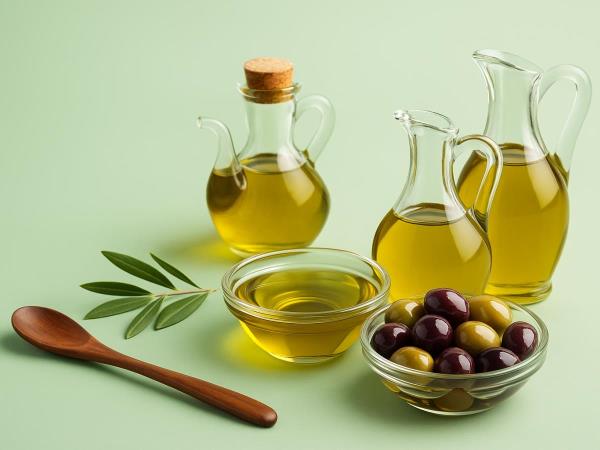
They say that wisdom hides in simple things – and olive oil is one of them. Without exaggeration, you could say it is a true elixir of nature, with a pleasant aroma and enriching flavor, but it also comes with a range of healing properties ...
Olive oil is not just liquid fat. If we look a little deeper, we see that it is a natural treasure, full of substances that protect us from disease. It mainly contains monounsaturated fats, which are considered good fats because they lower bad cholesterol (LDL) and at the same time maintain good cholesterol (HDL). According to the American organization Harvard T.H. Chan School of Public Health, these fats make up more than 70% of the fat in high-quality extra virgin olive oil.
In addition, it contains vitamin E, a powerful natural antioxidant that protects cells from damage, helps the skin, immune system, and acts as a natural anti-inflammatory. One tablespoon (about 15 ml) of olive oil contains as much as 1.9 mg of vitamin E, which is almost 13% of the daily recommended amount.
We mustn’t forget about phenols, plant-based compounds that act in the body as natural "firefighters" – reducing inflammation and protecting the heart. The most well-known among them is oleocanthal, which has effects similar to ibuprofen but without the side effects. A study published in the Journal of Nutrition (2011) showed that just 50g of virgin olive oil contains an amount of oleocanthal comparable to 10% of the dose of ibuprofen.
What happens if you drink olive oil on an empty stomach?
Here things get interesting. On an empty stomach, our body absorbs nutrients more directly, as there is no food in the stomach to slow absorption. Thus, olive oil quickly comes into contact with the intestine, where most of its active compounds are absorbed.
How much oil is enough?
The rule here is: less is more – but regularly. One teaspoon to one tablespoon on an empty stomach is quite sufficient. If you overdo it, there may be a mild laxative effect, which can sometimes be welcome, but sometimes not – especially if you have a sensitive intestine.
Of course, you should also pay attention to quality. The best is extra virgin olive oil, cold-pressed, and preferably organically produced. This oil is not refined, so it retains all its natural substances.
What about side effects?
Moderate consumption of olive oil has no known harmful effects. However, it is not a miracle cure and cannot replace a balanced diet. If you have gallbladder issues, consult your doctor before regular consumption. Olive oil stimulates contraction of the gallbladder, which is beneficial for most people, but can cause discomfort for some.
What do studies say?
The United States National Institutes of Health (NIH) has published several studies showing that olive oil reduces inflammation, protects the liver, and has a positive effect on the microbiota – the collection of beneficial bacteria in our intestines.
A Spanish studyPREDIMED showed that the group that regularly consumed olive oil had 30% fewer cardiovascular complications.
Italian researchers from the University of Bari discovered that consuming olive oil on an empty stomach reduces oxidative stress – the process that causes aging and the onset of disease.
A tablespoon of olive oil in the morning? Yes, please!
When you get up tomorrow, take a moment and treat yourself to a tablespoon of olive oil. You don’t have to take my word for it – trust your own body. After a few days, you may notice that digestion is easier, you’re less bloated, and you feel more vital.
And if anyone asks why you do it, just say: Because it’s a piece of wisdom confirmed by science as well.
Information on this website is for educational purposes only and is not medical advice.
In addition, it contains vitamin E, a powerful natural antioxidant that protects cells from damage, helps the skin, immune system, and acts as a natural anti-inflammatory. One tablespoon (about 15 ml) of olive oil contains as much as 1.9 mg of vitamin E, which is almost 13% of the daily recommended amount.
We mustn’t forget about phenols, plant-based compounds that act in the body as natural "firefighters" – reducing inflammation and protecting the heart. The most well-known among them is oleocanthal, which has effects similar to ibuprofen but without the side effects. A study published in the Journal of Nutrition (2011) showed that just 50g of virgin olive oil contains an amount of oleocanthal comparable to 10% of the dose of ibuprofen.
What happens if you drink olive oil on an empty stomach?
Here things get interesting. On an empty stomach, our body absorbs nutrients more directly, as there is no food in the stomach to slow absorption. Thus, olive oil quickly comes into contact with the intestine, where most of its active compounds are absorbed.
- Better digestion and against constipation
Did you know that digestion slows down after the age of 40? According to the Mayo Clinic, nearly 30% of older people have problems with constipation. And this is where olive oil comes into play – as a natural lubricant for the intestines. A tablespoon of olive oil in the morning can soften stool, speed up bowel movements, and make it easier to go to the bathroom. In Greek folk medicine, it is also used as a natural liver cleanser. - Your heart will thank you
We only have one heart – and if we don’t take care of it, it quickly lets us know. According to the World Health Organization (WHO), cardiovascular diseases are still the leading cause of death – responsible for as much as 32% of all deaths worldwide.
Olive oil, however, is a real protective barrier. In one of the largest European nutrition studies (EPIC), which included more than 500,000 people from 10 countries, it was found that people who regularly consume olive oil reduce the risk of heart disease by more than 20%. This especially applies to cold-pressed, virgin olive oil – the kind you pour over salad or, as we are talking about now, drink in the morning. - Cholesterol under control
Bad cholesterol (LDL) likes to stick to vessel walls, increasing the risk of heart attack or stroke. However, olive oil contains oleic acid, which lowers LDL levels and helps raise HDL – the so-called vessel cleaner. One tablespoon of olive oil a day, according to research in the American Journal of Clinical Nutrition, should lower total cholesterol after just three weeks. - Natural protection against cancer?
It may sound too optimistic, but numerous studies show that regular olive oil consumption can reduce the risk of certain types of cancer – especially breast and colorectal cancer. A 2015 study (JAMA Internal Medicine) showed that women who ate a Mediterranean diet supplemented with olive oil had a 62% lower probability of developing breast cancer.
Phenols in olive oil are believed to inhibit the growth of cancer cells and prevent DNA damage, as confirmed by animal and laboratory studies.
How much oil is enough?
The rule here is: less is more – but regularly. One teaspoon to one tablespoon on an empty stomach is quite sufficient. If you overdo it, there may be a mild laxative effect, which can sometimes be welcome, but sometimes not – especially if you have a sensitive intestine.
Of course, you should also pay attention to quality. The best is extra virgin olive oil, cold-pressed, and preferably organically produced. This oil is not refined, so it retains all its natural substances.
What about side effects?
Moderate consumption of olive oil has no known harmful effects. However, it is not a miracle cure and cannot replace a balanced diet. If you have gallbladder issues, consult your doctor before regular consumption. Olive oil stimulates contraction of the gallbladder, which is beneficial for most people, but can cause discomfort for some.
What do studies say?
The United States National Institutes of Health (NIH) has published several studies showing that olive oil reduces inflammation, protects the liver, and has a positive effect on the microbiota – the collection of beneficial bacteria in our intestines.
A Spanish study
Italian researchers from the University of Bari discovered that consuming olive oil on an empty stomach reduces oxidative stress – the process that causes aging and the onset of disease.
A tablespoon of olive oil in the morning? Yes, please!
When you get up tomorrow, take a moment and treat yourself to a tablespoon of olive oil. You don’t have to take my word for it – trust your own body. After a few days, you may notice that digestion is easier, you’re less bloated, and you feel more vital.
And if anyone asks why you do it, just say: Because it’s a piece of wisdom confirmed by science as well.
Information on this website is for educational purposes only and is not medical advice.
Author:
Zvone Stor
expert, nutritionist
expert, nutritionist
 Would you like to be informed about news on the website?
Just enter your e-mail
Olive oil on an empty stomach
Benefits of olive oil
Effect of olive oil on heart health
Olive oil and cholesterol
Olive oil and cancer prevention
Latest news





Four Ingredients Every Kitchen Already Has: The Morning Drink Healthy-Living Fans Swear By
Read more >>






After 40, the Pounds Don't Just Appear – Your Body Is Sending You a Message Most Women Misread
Read more >>

The Humble Bean That Takes On Cholesterol: Why Legumes Are Not Just Peasant Food but a Friend to Your Heart
Read more >>

When a Kids' Drink Beats Sports Drinks: What Science Really Says About Chocolate Milk After Training
Read more >>
Interaktive Widgets:
|

