




Date: 05/22/2026 - GOOD TO KNOW
7 things your eye color says about your health
AUTHOR:
Zvone Stor
expert, nutritionist
expert, nutritionist
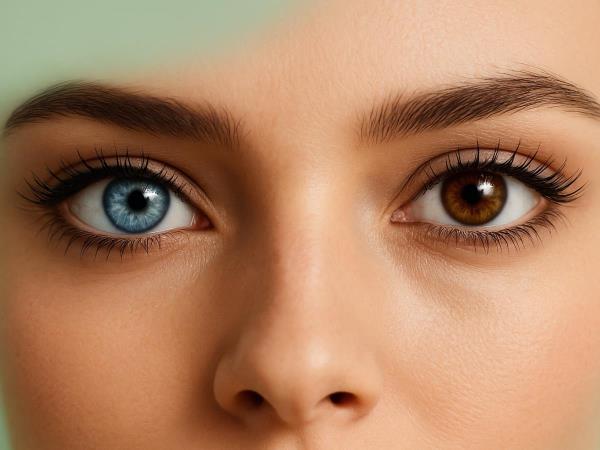
You’ll be surprised to learn that eye color is not just an aesthetic trait, but can offer insight into your health and susceptibility to certain diseases.
In this article, we will explore how eye color affects your health, and present scientific findings supporting these claims.
Eye color and skin cancer risk
Research has shown that people with lighter eyes, especially blue, have about a 30% higher risk of developing melanoma compared to those with darker eyes. Melanoma is a serious form of skin cancer that can also develop in the eye, known as uveal melanoma. Therefore, it's important for individuals with light eyes to use sunscreen protection and regularly check their skin for possible changes.
Vitiligo and eye color
Vitiligo is an autoimmune disease in which the immune system attacks melanocytes, the cells that produce melanin, resulting in white patches on the skin. Research has shown that vitiligo is less common in people with blue eyes. This may be due to genetic factors that affect both eye color and immune response.
Eye color and alcohol sensitivity
Studies have shown that individuals with darker eyes are more sensitive to the effects of alcohol. This means they may feel the effects of alcohol more quickly and be at greater risk of negative consequences, such as nausea or dizziness. On the other hand, people with lighter eyes may be less sensitive to alcohol, which can lead to greater consumption and potentially higher risk of addiction.
Pain tolerance and eye color
Some research has shown that women with lighter eyes, such as blue or green, have a higher tolerance to pain compared to women with darker eyes. This means they may be better able to withstand painful procedures or conditions, like childbirth. However, further research is needed to confirm these findings and understand the mechanisms behind these differences.
Age-related macular degeneration and light eyes
Age-related macular degeneration (AMD) is a condition in which the macula, a part of the retina responsible for central vision, is damaged. People with lighter eyes have twice the risk of developing AMD compared to those with darker eyes. This may be due to the lower amount of melanin, which protects the eyes from harmful effects of light. To protect your vision, it is recommended to wear sunglasses with UV protection and have regular eye exams.
Changes in eye color as a sign of health problems
If you notice sudden changes in eye color, it may be a sign of health issues. For example, yellowish sclera can indicate liver problems, whereas redness can mean inflammation or infection. If the color of only one eye changes, this may signal more serious conditions, such as neurofibromatosis or iris melanoma. In such cases, it is recommended to see a doctor as soon as possible.
Conclusion
The color of your eyes is more than just an aesthetic feature; it can offer insight into your health and predisposition to certain diseases. Regardless of your eye color, it is important to take care of your eye health with regular check-ups, protection from UV rays, and a healthy lifestyle. If you notice any changes in the color or health of your eyes, consult a medical professional.
Information on this website is for educational purposes only and is not medical advice.
- Dark eyes and cataract risk
People with darker eyes, such as brown or black, have more melanin in their iris. Melanin is a pigment that protects eyes from the harmful effects of ultraviolet (UV) rays. However, research shows that individuals with dark eyes have a 1.5 to 2.5 times higher risk of developing cataracts compared to those with lighter eyes. Cataract is a condition where the lens of the eye becomes cloudy, leading to reduced visual sharpness.
- Light eyes and light sensitivity
Individuals with lighter eyes, such as blue or green, have less melanin, which means less protection from UV rays. This makes them more sensitive to light, a condition known as photophobia. Photophobia is an increased sensitivity to light, which may cause discomfort or pain in the eyes when exposed to bright light. If you have light eyes, it is recommended to wear sunglasses with UV protection to lower the risk of eye damage.
Eye color and skin cancer risk
Research has shown that people with lighter eyes, especially blue, have about a 30% higher risk of developing melanoma compared to those with darker eyes. Melanoma is a serious form of skin cancer that can also develop in the eye, known as uveal melanoma. Therefore, it's important for individuals with light eyes to use sunscreen protection and regularly check their skin for possible changes.
Vitiligo and eye color
Vitiligo is an autoimmune disease in which the immune system attacks melanocytes, the cells that produce melanin, resulting in white patches on the skin. Research has shown that vitiligo is less common in people with blue eyes. This may be due to genetic factors that affect both eye color and immune response.
Eye color and alcohol sensitivity
Studies have shown that individuals with darker eyes are more sensitive to the effects of alcohol. This means they may feel the effects of alcohol more quickly and be at greater risk of negative consequences, such as nausea or dizziness. On the other hand, people with lighter eyes may be less sensitive to alcohol, which can lead to greater consumption and potentially higher risk of addiction.
Pain tolerance and eye color
Some research has shown that women with lighter eyes, such as blue or green, have a higher tolerance to pain compared to women with darker eyes. This means they may be better able to withstand painful procedures or conditions, like childbirth. However, further research is needed to confirm these findings and understand the mechanisms behind these differences.
Age-related macular degeneration and light eyes
Age-related macular degeneration (AMD) is a condition in which the macula, a part of the retina responsible for central vision, is damaged. People with lighter eyes have twice the risk of developing AMD compared to those with darker eyes. This may be due to the lower amount of melanin, which protects the eyes from harmful effects of light. To protect your vision, it is recommended to wear sunglasses with UV protection and have regular eye exams.
Changes in eye color as a sign of health problems
If you notice sudden changes in eye color, it may be a sign of health issues. For example, yellowish sclera can indicate liver problems, whereas redness can mean inflammation or infection. If the color of only one eye changes, this may signal more serious conditions, such as neurofibromatosis or iris melanoma. In such cases, it is recommended to see a doctor as soon as possible.
Conclusion
The color of your eyes is more than just an aesthetic feature; it can offer insight into your health and predisposition to certain diseases. Regardless of your eye color, it is important to take care of your eye health with regular check-ups, protection from UV rays, and a healthy lifestyle. If you notice any changes in the color or health of your eyes, consult a medical professional.
Information on this website is for educational purposes only and is not medical advice.
Author:
Zvone Stor
expert, nutritionist
expert, nutritionist
 Would you like to be informed about news on the website?
Just enter your e-mail
Eye color health
Eye color disease susceptibility
Eye color and cataracts
Eye color and skin cancer risk
Eye color and alcohol sensitivity
Latest news





Four Ingredients Every Kitchen Already Has: The Morning Drink Healthy-Living Fans Swear By
Read more >>







After 40, the Pounds Don't Just Appear – Your Body Is Sending You a Message Most Women Misread
Read more >>

The Humble Bean That Takes On Cholesterol: Why Legumes Are Not Just Peasant Food but a Friend to Your Heart
Read more >>

When a Kids' Drink Beats Sports Drinks: What Science Really Says About Chocolate Milk After Training
Read more >>

Interaktive Widgets:
|

