




Date: 05/20/2026 - GOOD TO KNOW
Dietary supplement that reduces cancer risk
AUTHOR:
Zvone Stor
expert, nutritionist
expert, nutritionist
We’re talking about a mineral that is key to healthy bones, but recent studies confirm that it also reduces the risk of developing colon cancer. Do you know what it is?!
To start, let’s explain in simple terms: cancer is not a single disease, but rather a group of diseases in which some of the body’s cells begin to divide uncontrollably. It’s as if, somewhere in your body, a brake normally preventing the cells from going wild broke down. So when these cells lose control of their growth, they start forming tumors—clumps of abnormal cells—and if these spread throughout the body, we talk about metastases, which is the most dangerous form of cancer. Most often, early detection is crucial, as cancer is curable in its early stages. But what if you could go a step further? What if you could avoid it altogether?
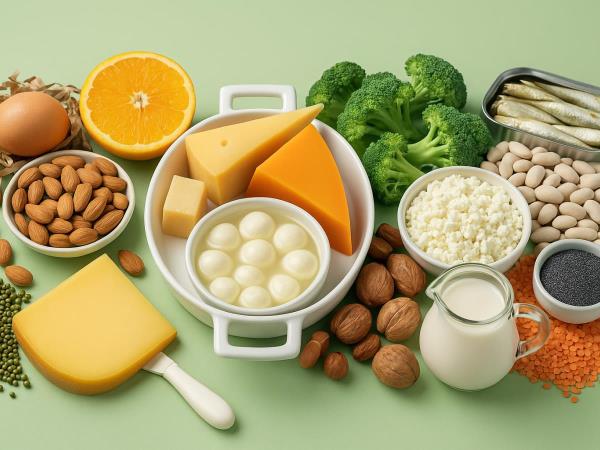
And this is where calcium comes in! We all know calcium—especially associating it with strong bones and teeth. It’s found in milk, cheese, yogurt, but also in leafy greens, nuts, and fish with soft bones (such as sardines). But here we’re not just talking about dietary sources. We're talking about dietary supplements, where calcium is concentrated in the form of capsules or tablets. Scientists from the American Institute for Cancer, in collaboration with several European researchers, conducted a comprehensive analysis examining how calcium affects the risk of developing colon cancer—one of the most common cancers. Their findings are surprising: people who took a calcium supplement daily (about 500 mg per day) had a 31% lower chance of developing this type of cancer.
Why exactly this amount? 500 mg of calcium isn’t a lot—that’s about as much as you find in two deciliters of milk and two slices of cheese. But in this study, they didn’t consider natural calcium from food, only the one in the form of a supplement. And according to their data, this was the most protective. Looking more closely: the study involved thousands of individuals of different ages and lifestyles. They found that calcium from food, such as milk or broccoli, doesn’t have such a pronounced effect. The important factor was added calcium, in the form of a capsule or tablet.
How does calcium affect cancer cells? Science doesn’t have a definitive answer yet, but there are several theories. One suggests that calcium binds to bile acids and other substances in the intestine that could otherwise irritate the intestinal wall and cause changes leading to cancer. So calcium acts like a cleaner, neutralizing dangerous substances before they latch onto the intestinal wall. Another theory says calcium encourages the death of abnormal cells before they develop into something worse. In any case, these are mechanisms that help the body defend itself.
What do other studies say? Of course, not every study is the same. In 2013, the University of Auckland in New Zealand conducted a similar study, but didn’t observe such a strong effect of calcium on cancer prevention. However, in this study, they especially pointed out that calcium can have a protective effect against prostate cancer, which is the most common cancer in men. So, even if the effects aren’t always the same for every cancer type, there is a clear pattern that calcium can positively affect risk reduction. According to data from the UK’s NHS (National Health Service), more than 42,000 people in the United Kingdom develop colon cancer each year. In Slovenia, the latest Cancer Registry data puts the number at around 1,500 per year, meaning that on average, 4 Slovenians encounter this disease each day. If a simple dietary supplement could reduce this number by a third, it would mean 500 fewer cases per year—which is immense.
What does this mean? This means you don’t have to start looking for expensive medicines or exotic diets straight away. Just knowing that calcium can act as a natural safeguard opens up many possibilities. Of course, healthy eating rich in fiber, lots of exercise, minimal alcohol, and quitting smoking should also help—these are all proven factors for lowering cancer incidence. For an adult, the recommended daily amount of calcium is about 1,000 mg per day, so adding 500 mg as a supplement is still within the safe limit.
Important warning As with all supplements, moderation is key with calcium too. Too much calcium can eventually strain the kidneys or cause constipation. It’s wise to consult a doctor or pharmacist before starting long-term supplementation, especially if you’re already taking other medications.
Folk wisdom and calcium In folk medicine, animal bones, dairy products, and even eggshells have been used for centuries as sources of calcium. In our region, it was customary for grandmothers to crush eggshells into powder, boil them, and add them to food—today we know this powder is actually full of calcium. This was a sort of homemade supplement that served the same purpose as today’s tablets. In Japan, where they have one of the world’s lowest rates of colon cancer, they regularly consume calcium-rich broths from fish and algae—the same basic idea: strengthening the intestinal lining and detoxifying.
So what should you do? If you’re unsure, start with small steps. Check whether you’re getting enough calcium in your diet. If not, consider a supplement—especially if you’re over 50 or have a family history of cancer. But it’s important to note that such a supplement is not a substitute for a balanced diet, just an addition to it.
Conclusion? In a world where we hear of new cancer cases daily, we can take comfort in the fact that nature—together with science—offers solutions. And calcium is one of them. It doesn’t hold a magic wand, but the numbers don’t lie: a 30% lower risk for one of the most dangerous diseases is more than good enough reason to take a moment to consider it at your next meal. Maybe this very decision could save your life one day.
Information on this website is for educational purposes only and is not medical advice.
And this is where calcium comes in! We all know calcium—especially associating it with strong bones and teeth. It’s found in milk, cheese, yogurt, but also in leafy greens, nuts, and fish with soft bones (such as sardines). But here we’re not just talking about dietary sources. We're talking about dietary supplements, where calcium is concentrated in the form of capsules or tablets. Scientists from the American Institute for Cancer, in collaboration with several European researchers, conducted a comprehensive analysis examining how calcium affects the risk of developing colon cancer—one of the most common cancers. Their findings are surprising: people who took a calcium supplement daily (about 500 mg per day) had a 31% lower chance of developing this type of cancer.
Why exactly this amount? 500 mg of calcium isn’t a lot—that’s about as much as you find in two deciliters of milk and two slices of cheese. But in this study, they didn’t consider natural calcium from food, only the one in the form of a supplement. And according to their data, this was the most protective. Looking more closely: the study involved thousands of individuals of different ages and lifestyles. They found that calcium from food, such as milk or broccoli, doesn’t have such a pronounced effect. The important factor was added calcium, in the form of a capsule or tablet.
How does calcium affect cancer cells? Science doesn’t have a definitive answer yet, but there are several theories. One suggests that calcium binds to bile acids and other substances in the intestine that could otherwise irritate the intestinal wall and cause changes leading to cancer. So calcium acts like a cleaner, neutralizing dangerous substances before they latch onto the intestinal wall. Another theory says calcium encourages the death of abnormal cells before they develop into something worse. In any case, these are mechanisms that help the body defend itself.
What do other studies say? Of course, not every study is the same. In 2013, the University of Auckland in New Zealand conducted a similar study, but didn’t observe such a strong effect of calcium on cancer prevention. However, in this study, they especially pointed out that calcium can have a protective effect against prostate cancer, which is the most common cancer in men. So, even if the effects aren’t always the same for every cancer type, there is a clear pattern that calcium can positively affect risk reduction. According to data from the UK’s NHS (National Health Service), more than 42,000 people in the United Kingdom develop colon cancer each year. In Slovenia, the latest Cancer Registry data puts the number at around 1,500 per year, meaning that on average, 4 Slovenians encounter this disease each day. If a simple dietary supplement could reduce this number by a third, it would mean 500 fewer cases per year—which is immense.
What does this mean? This means you don’t have to start looking for expensive medicines or exotic diets straight away. Just knowing that calcium can act as a natural safeguard opens up many possibilities. Of course, healthy eating rich in fiber, lots of exercise, minimal alcohol, and quitting smoking should also help—these are all proven factors for lowering cancer incidence. For an adult, the recommended daily amount of calcium is about 1,000 mg per day, so adding 500 mg as a supplement is still within the safe limit.
Important warning As with all supplements, moderation is key with calcium too. Too much calcium can eventually strain the kidneys or cause constipation. It’s wise to consult a doctor or pharmacist before starting long-term supplementation, especially if you’re already taking other medications.
Folk wisdom and calcium In folk medicine, animal bones, dairy products, and even eggshells have been used for centuries as sources of calcium. In our region, it was customary for grandmothers to crush eggshells into powder, boil them, and add them to food—today we know this powder is actually full of calcium. This was a sort of homemade supplement that served the same purpose as today’s tablets. In Japan, where they have one of the world’s lowest rates of colon cancer, they regularly consume calcium-rich broths from fish and algae—the same basic idea: strengthening the intestinal lining and detoxifying.
So what should you do? If you’re unsure, start with small steps. Check whether you’re getting enough calcium in your diet. If not, consider a supplement—especially if you’re over 50 or have a family history of cancer. But it’s important to note that such a supplement is not a substitute for a balanced diet, just an addition to it.
Conclusion? In a world where we hear of new cancer cases daily, we can take comfort in the fact that nature—together with science—offers solutions. And calcium is one of them. It doesn’t hold a magic wand, but the numbers don’t lie: a 30% lower risk for one of the most dangerous diseases is more than good enough reason to take a moment to consider it at your next meal. Maybe this very decision could save your life one day.
Information on this website is for educational purposes only and is not medical advice.
Author:
Zvone Stor
expert, nutritionist
expert, nutritionist
 Would you like to be informed about news on the website?
Just enter your e-mail
Cancer risk reduction
Calcium supplement
Colon cancer prevention
Calcium and cancer
Dietary supplement for cancer prevention
Latest news





Four Ingredients Every Kitchen Already Has: The Morning Drink Healthy-Living Fans Swear By
Read more >>







After 40, the Pounds Don't Just Appear – Your Body Is Sending You a Message Most Women Misread
Read more >>

The Humble Bean That Takes On Cholesterol: Why Legumes Are Not Just Peasant Food but a Friend to Your Heart
Read more >>

When a Kids' Drink Beats Sports Drinks: What Science Really Says About Chocolate Milk After Training
Read more >>

Interaktive Widgets:
|

