




Date: 05/19/2026 - GOOD TO KNOW
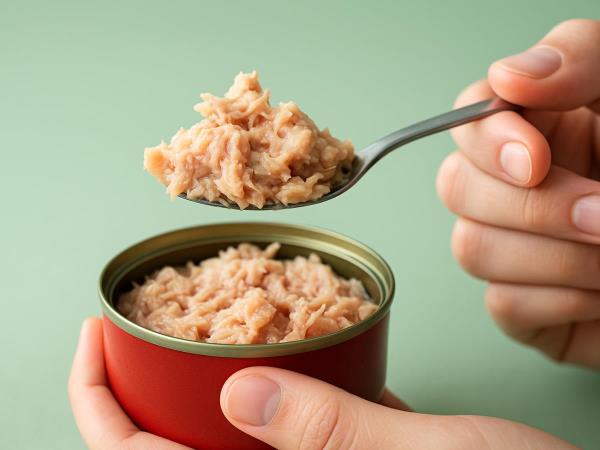
Tuna in oil or in brine: which has more healthy fats?
AUTHOR:
Zvone Stor
expert, nutritionist
expert, nutritionist
Sometimes we forget that fish—including canned fish—are an extremely valuable part of the diet. Among them, tuna holds a special reputation, bringing a range of benefits...
You’ve probably wondered whether tuna in oil or tuna in brine is healthier. It’s not just about taste or calories—there’s much more to it. The main focus is omega-3 fatty acids, which are one of the key reasons tuna is so highly valued.
Omega-3 – a treasure for your heart and brain
Omega-3 fatty acids are a special type of fat that your body absolutely needs, but cannot produce on its own. This means you have to get them from food. When you consume enough of them, they can help lower cholesterol, improve circulation, have an anti-inflammatory effect, boost brain function, and even help alleviate symptoms of depression.
According to the Harvard School of Public Health, regular consumption of omega-3 reduces the risk of heart disease by as much as 36%. Similarly, a study led by the American Heart Association confirmed that people who eat fish (especially fatty ones like tuna) at least twice a week live longer and have fewer problems with blood pressure.
Now let’s return to the question—are there more of these healthy fats in tuna canned in oil, or in brine?
The short story of two cans
Canned tuna is available in two basic types: in brine and in oil. The packaging often says “in vegetable oil”, but what does that actually mean?
The vegetable oil in cans is most commonly sunflower oil, but sometimes it’s a blend with soy or even canola oil. Brine, on the other hand, is simply a solution of salt in water, which preserves the food but adds an insignificant amount of fat.
So—tuna in oil has more calories, which you might already know. But how much more?
Data from the USDA (U.S. Department of Agriculture) is clear:
Now for the essence. How much omega-3 does each actually contain?
More fat does not mean more omega-3
A study published in 2011 in the respected journal Public Health Nutrition surprised many. It showed that tuna in brine retains more omega-3 fatty acids than tuna in oil.
Why?
When tuna is stored in oil, some of these beneficial fats dissolve into the oil—and if you drain the oil (which most people do), a good deal of omega-3 goes with it. In contrast, in brine, the fats don’t dissolve, so they stay in the fish meat. So—if you drain tuna in oil, you lose more of the good stuff than if you drain tuna in brine.
What do the numbers say?
According to a study by the UK’s Food Standards Agency, 100 g of tuna contains:
So, if you’re looking only at omega-3 and want the maximum benefit, the answer is clear—choose tuna in brine.
However, this doesn’t mean that tuna in oil is bad. On the contrary—it provides more energy, which is important for people with higher energy or fat needs. This is especially true for growing children, athletes, pregnant women, and people with certain diseases.
Special cases—when is tuna in oil preferable?
People with cystic fibrosis (a chronic hereditary disease affecting the lungs and digestion) have trouble absorbing fats. For them, tuna in oil can be a better choice, as it helps them get what their body can’t otherwise absorb.
Tuna in oil also contains slightly more vitamin D and selenium, two extremely important substances for bone health, the immune system, and thyroid function.
Selenium is a powerful antioxidant—it makes sure free radicals don’t cause harm in the body. One can of tuna contains between 40–60 micrograms of selenium, which is about 70 - 90% of an adult’s daily requirement.
Folk wisdom about fish in the pot
In folk medicine, any fish is considered a golden fish, as long as it’s fresh. While canned tuna isn’t fresh, its storage method gives it a long shelf life while retaining most of its nutrients. Many old masters, who learned about healthy eating at home in their youth, knew that fish nourishes the brain, strengthens the blood, and helps to “soften the veins.”
Even in old times, mothers during pregnancy liked to drink fish soup and eat dried sardines. Today, tuna has taken on the leading role due to its availability—and rightly so.
What else to watch for when buying tuna?
Besides the difference between oil and brine, it’s wise to also check:
Some people are also concerned about mercury content, as tuna, being a larger fish in the food chain, accumulates more heavy metals. But according to the European Food Safety Authority (EFSA), an adult can eat up to 3 portions of tuna per week without health risk.
A conclusion worth remembering
If it’s important for you to get as much omega-3 and as few calories as possible, then tuna in brine is your best choice. If you need more energy, vitamin D and other beneficial fats, then feel free to opt for the one in oil—just don’t drain it too much.
Regardless of your choice, tuna is a valuable source of protein and nutrients, offering countless possibilities in the kitchen. Enjoy it with toasted bread, in a bean salad, with eggs, or as a spread for a snack—every bite counts.
They sometimes say: you can’t make health from a can. But in the case of tuna, the opposite may be true—a small can may bring great benefit. Of course, if you know how to choose correctly.
Information on this website is for educational purposes only and is not medical advice.
Omega-3 – a treasure for your heart and brain
Omega-3 fatty acids are a special type of fat that your body absolutely needs, but cannot produce on its own. This means you have to get them from food. When you consume enough of them, they can help lower cholesterol, improve circulation, have an anti-inflammatory effect, boost brain function, and even help alleviate symptoms of depression.
According to the Harvard School of Public Health, regular consumption of omega-3 reduces the risk of heart disease by as much as 36%. Similarly, a study led by the American Heart Association confirmed that people who eat fish (especially fatty ones like tuna) at least twice a week live longer and have fewer problems with blood pressure.
Now let’s return to the question—are there more of these healthy fats in tuna canned in oil, or in brine?
The short story of two cans
Canned tuna is available in two basic types: in brine and in oil. The packaging often says “in vegetable oil”, but what does that actually mean?
The vegetable oil in cans is most commonly sunflower oil, but sometimes it’s a blend with soy or even canola oil. Brine, on the other hand, is simply a solution of salt in water, which preserves the food but adds an insignificant amount of fat.
So—tuna in oil has more calories, which you might already know. But how much more?
Data from the USDA (U.S. Department of Agriculture) is clear:
- 1 can (about 165 g) of tuna in oil contains around 317 calories,
- the same amount of tuna in brine contains only 150 calories.
Now for the essence. How much omega-3 does each actually contain?
More fat does not mean more omega-3
A study published in 2011 in the respected journal Public Health Nutrition surprised many. It showed that tuna in brine retains more omega-3 fatty acids than tuna in oil.
Why?
When tuna is stored in oil, some of these beneficial fats dissolve into the oil—and if you drain the oil (which most people do), a good deal of omega-3 goes with it. In contrast, in brine, the fats don’t dissolve, so they stay in the fish meat. So—if you drain tuna in oil, you lose more of the good stuff than if you drain tuna in brine.
What do the numbers say?
According to a study by the UK’s Food Standards Agency, 100 g of tuna contains:
- in brine on average 0.31 g of omega-3 fats,
- in the oil version, if you drain the oil, only 0.2 g of omega-3.
So, if you’re looking only at omega-3 and want the maximum benefit, the answer is clear—choose tuna in brine.
However, this doesn’t mean that tuna in oil is bad. On the contrary—it provides more energy, which is important for people with higher energy or fat needs. This is especially true for growing children, athletes, pregnant women, and people with certain diseases.
Special cases—when is tuna in oil preferable?
People with cystic fibrosis (a chronic hereditary disease affecting the lungs and digestion) have trouble absorbing fats. For them, tuna in oil can be a better choice, as it helps them get what their body can’t otherwise absorb.
Tuna in oil also contains slightly more vitamin D and selenium, two extremely important substances for bone health, the immune system, and thyroid function.
Selenium is a powerful antioxidant—it makes sure free radicals don’t cause harm in the body. One can of tuna contains between 40–60 micrograms of selenium, which is about 70 - 90% of an adult’s daily requirement.
Folk wisdom about fish in the pot
In folk medicine, any fish is considered a golden fish, as long as it’s fresh. While canned tuna isn’t fresh, its storage method gives it a long shelf life while retaining most of its nutrients. Many old masters, who learned about healthy eating at home in their youth, knew that fish nourishes the brain, strengthens the blood, and helps to “soften the veins.”
Even in old times, mothers during pregnancy liked to drink fish soup and eat dried sardines. Today, tuna has taken on the leading role due to its availability—and rightly so.
What else to watch for when buying tuna?
Besides the difference between oil and brine, it’s wise to also check:
- type of tuna (e.g. albacore, skipjack—the former are fattier and larger, the latter are smaller),
- amount of salt (brine can have a lot of salt, which is not recommended for people with high blood pressure),
- quality of the packaging (the can should not be bulging or damaged).
Some people are also concerned about mercury content, as tuna, being a larger fish in the food chain, accumulates more heavy metals. But according to the European Food Safety Authority (EFSA), an adult can eat up to 3 portions of tuna per week without health risk.
A conclusion worth remembering
If it’s important for you to get as much omega-3 and as few calories as possible, then tuna in brine is your best choice. If you need more energy, vitamin D and other beneficial fats, then feel free to opt for the one in oil—just don’t drain it too much.
Regardless of your choice, tuna is a valuable source of protein and nutrients, offering countless possibilities in the kitchen. Enjoy it with toasted bread, in a bean salad, with eggs, or as a spread for a snack—every bite counts.
They sometimes say: you can’t make health from a can. But in the case of tuna, the opposite may be true—a small can may bring great benefit. Of course, if you know how to choose correctly.
Information on this website is for educational purposes only and is not medical advice.
Author:
Zvone Stor
expert, nutritionist
expert, nutritionist
 Would you like to be informed about news on the website?
Just enter your e-mail
tuna in oil vs brine
omega-3 benefits
healthy fats in canned tuna
omega-3 content in tuna
choosing between tuna in oil and brine
Latest news





Four Ingredients Every Kitchen Already Has: The Morning Drink Healthy-Living Fans Swear By
Read more >>







After 40, the Pounds Don't Just Appear – Your Body Is Sending You a Message Most Women Misread
Read more >>

The Humble Bean That Takes On Cholesterol: Why Legumes Are Not Just Peasant Food but a Friend to Your Heart
Read more >>

When a Kids' Drink Beats Sports Drinks: What Science Really Says About Chocolate Milk After Training
Read more >>

Interaktive Widgets:
|

