




Date: 05/17/2026 - GOOD TO KNOW
Superfoods that work better together
AUTHOR:
Zvone Stor
expert, nutritionist
expert, nutritionist
Spaghetti and meat sauce. Soup and salad. Meat and potatoes. There are combinations we’ll never be able to completely give up. But are they healthy?
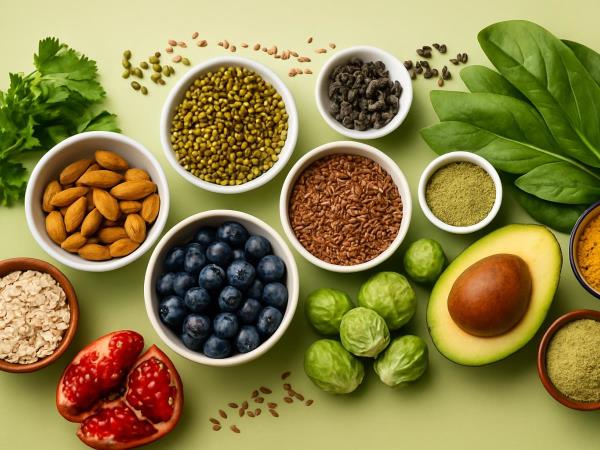
What good is even the healthiest food if, when combined with other foods, it completely loses its value? That’s why the term "nutritional synergy" is increasingly being established in the world of nutrition. This is a field that especially studies the combinations of foods and their effects on our health. Here are some of the most important.
1. Beans and red pepper

Beans are a good source of iron, but the problem is that only 2 to 20% of the iron in plants is actually absorbed into the blood. To increase this percentage to 15 to 35%, you can simply add red pepper, which contains a lot of vitamin C. The difference in the amount of absorbed nutrients from both foods can be up to six times greater than if you ate each food separately.
2. Brown rice, onion, and garlic

Just like beans, brown rice contains a lot of iron and even more zinc. Studies have shown that foods rich in sulfur significantly increase the absorption of all types of minerals. This is why it’s recommended to add a generous portion of onion and garlic to rice or even to sandwiches made with bread.
3. Tomato and olive oil

Olive oil prevents cardiovascular diseases by raising good cholesterol (HDL) and lowering bad cholesterol (LDL). Researchers in 2000 compared the effects of olive oil and sunflower oil, and the difference was shocking. Olive oil reduced the effects of free radicals and activated the effects of lycopene, which is a powerful agent against the formation of cancerous cells. With sunflower oil and some other oils, however, the effect was quite the opposite.
4. Salmon and kale

Vitamin D helps absorb calcium from the digestive tract into the blood and helps maintain normal calcium levels in the blood. Although we get vitamin D by being exposed to the sun, food rich in this vitamin is also important. This is especially true in the winter months and for people who spend most of their day in an office. Among foods with the best combination of calcium and vitamin D are salmon and kale.
5. Broccoli and tomato

Both foods have an incredible impact on cancer cells. In a 2007 study conducted by Cancer Research in the USA, for over five months, rats were fed different diets: one group only broccoli, another only tomato, and a third a combination of both. The group that ate the combined food, with broccoli and tomato making up 20% of the daily intake, had 52% fewer tumor problems. The group that ate only tomato had 34% fewer, and the group that ate only broccoli had 42% fewer.
6. Brussels sprouts and olive oil

These mini cabbage heads have a lot of very important nutrients, including vitamin K, which regulates blood clotting in our bodies and is also very important for bone health. However, because vitamin K is only fat-soluble, olive oil, which contains a lot of unsaturated fats and also helps with heart and vascular diseases, is the best choice. The absorption of vitamin K increases up to four times.
7. Dark chocolate and apples

Although it may seem like a sweet combination, apples contain quercetin, which has anti-inflammatory effects. Chocolate contains catechins, which are antioxidants that prevent blood clotting. Together, they are the ideal combination for strengthening heart and vascular health. Together, they are six times healthier than each on their own.
Information on this website is for educational purposes only and is not medical advice.
1. Beans and red pepper

Beans are a good source of iron, but the problem is that only 2 to 20% of the iron in plants is actually absorbed into the blood. To increase this percentage to 15 to 35%, you can simply add red pepper, which contains a lot of vitamin C. The difference in the amount of absorbed nutrients from both foods can be up to six times greater than if you ate each food separately.
2. Brown rice, onion, and garlic

Just like beans, brown rice contains a lot of iron and even more zinc. Studies have shown that foods rich in sulfur significantly increase the absorption of all types of minerals. This is why it’s recommended to add a generous portion of onion and garlic to rice or even to sandwiches made with bread.
3. Tomato and olive oil

Olive oil prevents cardiovascular diseases by raising good cholesterol (HDL) and lowering bad cholesterol (LDL). Researchers in 2000 compared the effects of olive oil and sunflower oil, and the difference was shocking. Olive oil reduced the effects of free radicals and activated the effects of lycopene, which is a powerful agent against the formation of cancerous cells. With sunflower oil and some other oils, however, the effect was quite the opposite.
4. Salmon and kale

Vitamin D helps absorb calcium from the digestive tract into the blood and helps maintain normal calcium levels in the blood. Although we get vitamin D by being exposed to the sun, food rich in this vitamin is also important. This is especially true in the winter months and for people who spend most of their day in an office. Among foods with the best combination of calcium and vitamin D are salmon and kale.
5. Broccoli and tomato

Both foods have an incredible impact on cancer cells. In a 2007 study conducted by Cancer Research in the USA, for over five months, rats were fed different diets: one group only broccoli, another only tomato, and a third a combination of both. The group that ate the combined food, with broccoli and tomato making up 20% of the daily intake, had 52% fewer tumor problems. The group that ate only tomato had 34% fewer, and the group that ate only broccoli had 42% fewer.
6. Brussels sprouts and olive oil

These mini cabbage heads have a lot of very important nutrients, including vitamin K, which regulates blood clotting in our bodies and is also very important for bone health. However, because vitamin K is only fat-soluble, olive oil, which contains a lot of unsaturated fats and also helps with heart and vascular diseases, is the best choice. The absorption of vitamin K increases up to four times.
7. Dark chocolate and apples

Although it may seem like a sweet combination, apples contain quercetin, which has anti-inflammatory effects. Chocolate contains catechins, which are antioxidants that prevent blood clotting. Together, they are the ideal combination for strengthening heart and vascular health. Together, they are six times healthier than each on their own.
Information on this website is for educational purposes only and is not medical advice.
Author:
Zvone Stor
expert, nutritionist
expert, nutritionist
 Would you like to be informed about news on the website?
Just enter your e-mail
Nutritional synergy
Healthy food combinations
Superfoods pairing
Food synergy effects
Optimal nutrition combinations
Latest news




Four Ingredients Every Kitchen Already Has: The Morning Drink Healthy-Living Fans Swear By
Read more >>



After 40, the Pounds Don't Just Appear – Your Body Is Sending You a Message Most Women Misread
Read more >>

The Humble Bean That Takes On Cholesterol: Why Legumes Are Not Just Peasant Food but a Friend to Your Heart
Read more >>
When a Kids' Drink Beats Sports Drinks: What Science Really Says About Chocolate Milk After Training
Read more >>
Interaktive Widgets:
|

