




Date: 05/17/2026 - GOOD TO KNOW
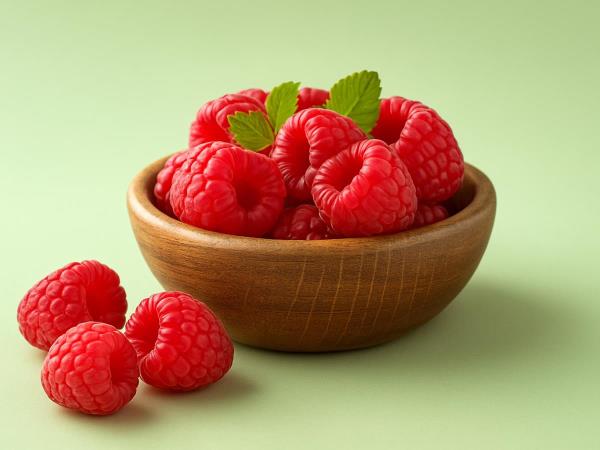
Raspberries: Why We Shouldn't Overlook Them
AUTHOR:
Zvone Stor
expert, nutritionist
expert, nutritionist
In the old days, people used to pick raspberries on the edges of forests and bring them home as a natural elixir for many troubles: from stomach pains to fevers ...
When we look at everything that raspberries contain, it seems almost unbelievable that this fruit is classified as a low-calorie food. In 100 grams of fresh raspberries, there are only about 52 calories – that's roughly the same as a small banana, but with much greater nutritional value. Raspberries are made up of as much as 86% water, which means they are excellent for hydrating the body. In addition, they contain 6.5 grams of dietary fiber, which is almost a quarter of the recommended daily intake.
Fiber is what helps with digestion, strengthens the intestinal flora, and lowers levels of bad cholesterol. They are also very important for heart health and for regulating blood sugar, which will especially please those who need to watch their blood sugar or who have diabetes. In fact, because of their low carbohydrate content, raspberries are considered one of the rare fruit types that are safe even for diabetics.
Why are raspberries really healing?
Raspberries are rich in vitamin C, which is found in quantities of about 26 milligrams per 100 grams, representing approximately 44% of the recommended daily intake. Vitamin C is essential for a strong immune system, more beautiful skin, faster wound healing, and protection against free radicals – these are unstable molecules that cause aging and disease.
But that's not all. Raspberries also contain other vitamins, such as B group vitamins (which take care of the nervous system and energy), vitamin E (which is an important antioxidant for the skin and the heart), and vitamin K, which plays a role in blood clotting. Among minerals, we find potassium, which contributes to a healthy heart, as well as magnesium, iron, zinc, and calcium – all in smaller, but important, amounts.
What about those mysterious substances often talked about by scientists?
Raspberries contain quite a lot of anthocyanins, which are natural dyes that give raspberries their distinctive red color. Their job in nature is to protect the plant from pests, sun, and disease – and they perform the same function in our body.
Among these substances are also quercetin, kaempferol, cyanidin, and a few others with long names you don't need to memorize, but it is good to know that they are powerful natural antioxidants. These compounds in the body work as cleansers – they remove toxins, inhibit inflammation, destroy harmful bacteria, and even stop the growth of some cancer cells.
A study published in the Journal of Agricultural and Food Chemistry showed that raspberries have the highest content of ellagic acid among all berries. In folk medicine, this acid is often mentioned as a natural cancer inhibitor, as it is proven to prevent changes in the cell nucleus that lead to the development of tumors.
Home remedies we haven't forgotten
Our grandmothers knew how to make many things from raspberries. Raspberry juice was used for fever – it was said that raspberries cool the blood. This means they lower body temperature, calm inflammations, and alleviate the feeling of heat. That's why it's not surprising that raspberry juice was often on the table when someone was suffering from flu or tonsillitis.
For digestive problems, raspberry jam or compote was used, because raspberries were believed to help detoxify and cleanse the intestines. Today, we know that the fiber in raspberries acts like a natural broom, cleaning the digestive tract and encouraging the growth of beneficial bacteria.
Some people even used raspberries to alleviate morning sickness in pregnancy. And although this isn't recommended today without consulting a doctor, the fact remains that raspberries are one of the few fruits that can soothe the stomach instead of irritating it.
Let's not forget the leaves!
Although most talk is about the fruit, raspberry leaves are no less useful. In traditional medicine, tea is made from them, known for strengthening the uterus and easing childbirth. In the Middle Ages, it was recommended to women who had trouble conceiving, since the leaves were believed to cleanse the fallopian tubes and strengthen the uterine walls.
Tea made from raspberry leaves isn't only useful for women. It's also used for diarrhea, hemorrhoids, skin rashes, and as a tonic for the heart. To prepare the tea, pour a cup of boiling water over two teaspoons of dried leaves and let it stand for 10 minutes. You can drink up to three cups a day.
What does science say? According to data from the US USDA database, raspberries have a remarkably high total antioxidant capacity – ORAC, which amounts to about 6065 units per 100 grams. This places them among the top 10 fruits when it comes to protecting cells from oxidative stress.
There is also an interesting study from the United Kingdom, which observed people who regularly consumed raspberries at least three times a week. It was shown that these people had a 20% lower risk of developing cardiovascular disease compared to those who did not consume raspberries.
In another study, published in Cancer Research, scientists discovered that raspberry extract slows the growth of tumors in laboratory mice, and this without side effects. While this doesn't yet mean a direct link in people, it is a strong indication that raspberries could play an important role in cancer prevention.
Can raspberries harm anyone? Despite all the positive qualities, there is one exception. Fresh raspberries contain oxalate, a natural substance that, in sensitive individuals, can accumulate in the kidneys and contribute to the formation of kidney stones. That is why consumption of large amounts of raspberries is not recommended for people with serious kidney problems, unless advised otherwise by their doctor.
It's worth remembering ...
The next time you see raspberries at the market or in the store, don’t look at them just as a treat. You’re looking at little health balls that were celebrated by our ancestors and that are now scientifically recognized as one of the most powerful natural foods in the fight against disease.
If you eat them regularly, you'll be doing something good for your heart, digestion, skin, brain, and immune system. And with no side effects, no artificial additives, and no complicated recipes.
Let your daily handful of raspberries be as natural as a cup of tea – simple, homely, and healing.
Information on this website is for educational purposes only and is not medical advice.
Fiber is what helps with digestion, strengthens the intestinal flora, and lowers levels of bad cholesterol. They are also very important for heart health and for regulating blood sugar, which will especially please those who need to watch their blood sugar or who have diabetes. In fact, because of their low carbohydrate content, raspberries are considered one of the rare fruit types that are safe even for diabetics.
Why are raspberries really healing?
Raspberries are rich in vitamin C, which is found in quantities of about 26 milligrams per 100 grams, representing approximately 44% of the recommended daily intake. Vitamin C is essential for a strong immune system, more beautiful skin, faster wound healing, and protection against free radicals – these are unstable molecules that cause aging and disease.
But that's not all. Raspberries also contain other vitamins, such as B group vitamins (which take care of the nervous system and energy), vitamin E (which is an important antioxidant for the skin and the heart), and vitamin K, which plays a role in blood clotting. Among minerals, we find potassium, which contributes to a healthy heart, as well as magnesium, iron, zinc, and calcium – all in smaller, but important, amounts.
What about those mysterious substances often talked about by scientists?
Raspberries contain quite a lot of anthocyanins, which are natural dyes that give raspberries their distinctive red color. Their job in nature is to protect the plant from pests, sun, and disease – and they perform the same function in our body.
Among these substances are also quercetin, kaempferol, cyanidin, and a few others with long names you don't need to memorize, but it is good to know that they are powerful natural antioxidants. These compounds in the body work as cleansers – they remove toxins, inhibit inflammation, destroy harmful bacteria, and even stop the growth of some cancer cells.
A study published in the Journal of Agricultural and Food Chemistry showed that raspberries have the highest content of ellagic acid among all berries. In folk medicine, this acid is often mentioned as a natural cancer inhibitor, as it is proven to prevent changes in the cell nucleus that lead to the development of tumors.
Home remedies we haven't forgotten
Our grandmothers knew how to make many things from raspberries. Raspberry juice was used for fever – it was said that raspberries cool the blood. This means they lower body temperature, calm inflammations, and alleviate the feeling of heat. That's why it's not surprising that raspberry juice was often on the table when someone was suffering from flu or tonsillitis.
For digestive problems, raspberry jam or compote was used, because raspberries were believed to help detoxify and cleanse the intestines. Today, we know that the fiber in raspberries acts like a natural broom, cleaning the digestive tract and encouraging the growth of beneficial bacteria.
Some people even used raspberries to alleviate morning sickness in pregnancy. And although this isn't recommended today without consulting a doctor, the fact remains that raspberries are one of the few fruits that can soothe the stomach instead of irritating it.
Let's not forget the leaves!
Although most talk is about the fruit, raspberry leaves are no less useful. In traditional medicine, tea is made from them, known for strengthening the uterus and easing childbirth. In the Middle Ages, it was recommended to women who had trouble conceiving, since the leaves were believed to cleanse the fallopian tubes and strengthen the uterine walls.
Tea made from raspberry leaves isn't only useful for women. It's also used for diarrhea, hemorrhoids, skin rashes, and as a tonic for the heart. To prepare the tea, pour a cup of boiling water over two teaspoons of dried leaves and let it stand for 10 minutes. You can drink up to three cups a day.
What does science say? According to data from the US USDA database, raspberries have a remarkably high total antioxidant capacity – ORAC, which amounts to about 6065 units per 100 grams. This places them among the top 10 fruits when it comes to protecting cells from oxidative stress.
There is also an interesting study from the United Kingdom, which observed people who regularly consumed raspberries at least three times a week. It was shown that these people had a 20% lower risk of developing cardiovascular disease compared to those who did not consume raspberries.
In another study, published in Cancer Research, scientists discovered that raspberry extract slows the growth of tumors in laboratory mice, and this without side effects. While this doesn't yet mean a direct link in people, it is a strong indication that raspberries could play an important role in cancer prevention.
Can raspberries harm anyone? Despite all the positive qualities, there is one exception. Fresh raspberries contain oxalate, a natural substance that, in sensitive individuals, can accumulate in the kidneys and contribute to the formation of kidney stones. That is why consumption of large amounts of raspberries is not recommended for people with serious kidney problems, unless advised otherwise by their doctor.
It's worth remembering ...
The next time you see raspberries at the market or in the store, don’t look at them just as a treat. You’re looking at little health balls that were celebrated by our ancestors and that are now scientifically recognized as one of the most powerful natural foods in the fight against disease.
If you eat them regularly, you'll be doing something good for your heart, digestion, skin, brain, and immune system. And with no side effects, no artificial additives, and no complicated recipes.
Let your daily handful of raspberries be as natural as a cup of tea – simple, homely, and healing.
Information on this website is for educational purposes only and is not medical advice.
Author:
Zvone Stor
expert, nutritionist
expert, nutritionist
 Would you like to be informed about news on the website?
Just enter your e-mail
Raspberries health benefits
Raspberry antioxidants
Nutritional value of raspberries
Raspberry fiber content
Healing properties of raspberries
Latest news





Four Ingredients Every Kitchen Already Has: The Morning Drink Healthy-Living Fans Swear By
Read more >>







After 40, the Pounds Don't Just Appear – Your Body Is Sending You a Message Most Women Misread
Read more >>

The Humble Bean That Takes On Cholesterol: Why Legumes Are Not Just Peasant Food but a Friend to Your Heart
Read more >>

When a Kids' Drink Beats Sports Drinks: What Science Really Says About Chocolate Milk After Training
Read more >>

Interaktive Widgets:
|

