


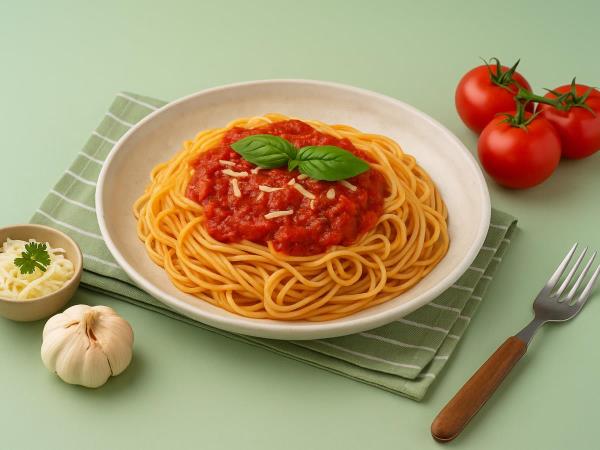


Date: 05/11/2026 - GOOD TO KNOW
Is it advisable to eat pasta?
AUTHOR:
Zvone Stor
expert, nutritionist
expert, nutritionist
Pasta is popular because of its versatility and taste. However, what is its effect on our health? The answer to this is not simple ...
Is pasta really healthy? Can we include it in a balanced diet without feeling guilty? Let's dive into this topic through the lens of folk wisdom and modern science.
Pasta through time: more than just a tasty dish
Pasta has a rich history dating back more than 2,000 years. Different cultures have developed various shapes and methods of preparation, but one thing has always been in common – simplicity and availability. In folk medicine, pasta was often recommended as a food that is easy to digest, suitable for recovery after illness, or as a comfort dish on cold days.
What does modern science say?
Modern research confirms that pasta can play an important role in a balanced diet. The key is choosing the right type of pasta and the way it is prepared.
Whole-grain pasta: Contains more fiber, vitamins, and minerals than white pasta. Fiber aids in digestion, regulates blood sugar levels, and increases the feeling of fullness. One serving (approximately 1 cup of cooked whole-grain pasta) contains about 6 grams of fiber, representing about 24% of the recommended daily intake.
Folk wisdom and modern advice
In folk medicine, advice was often given that is supported today by modern science:
Practical tips for including pasta in a healthy diet
Choose whole-grain or legume-based pasta: In addition to whole-grain pasta, you can also find pasta made from lentils, chickpeas, or peas, which contain more protein and fiber.
Prepare it al dente: Pasta cooked to the bite has a lower GI and is more filling.
Add proteins: Combine pasta with sources of protein such as tofu, legumes, or lean meat for a more balanced meal.
Pay attention to portion size: The recommended portion of cooked pasta is about 1 cup (about 200-220 calories).
Conclusion
Pasta can be part of a healthy and balanced diet if eaten in moderation and combined with other nutritious ingredients. Folk wisdom and modern science agree that pasta, when prepared in the right way, is a tasty and nutritious choice. As the old saying goes: Everything is good, if done in moderation.
Information on this website is for educational purposes only and is not medical advice.
Pasta through time: more than just a tasty dish
Pasta has a rich history dating back more than 2,000 years. Different cultures have developed various shapes and methods of preparation, but one thing has always been in common – simplicity and availability. In folk medicine, pasta was often recommended as a food that is easy to digest, suitable for recovery after illness, or as a comfort dish on cold days.
What does modern science say?
Modern research confirms that pasta can play an important role in a balanced diet. The key is choosing the right type of pasta and the way it is prepared.
Whole-grain pasta: Contains more fiber, vitamins, and minerals than white pasta. Fiber aids in digestion, regulates blood sugar levels, and increases the feeling of fullness. One serving (approximately 1 cup of cooked whole-grain pasta) contains about 6 grams of fiber, representing about 24% of the recommended daily intake.
- Glycemic index (GI):
Pasta has a lower GI compared to other carbohydrates, such as white bread or potatoes. This means it causes a slower increase in blood sugar, which is beneficial for diabetics and those who want to control their body weight. - Proteins and minerals:
Pasta is a good source of plant-based proteins and contains important minerals such as iron, magnesium, and selenium. These minerals play a crucial role in various bodily functions, including the immune system and metabolism.
Folk wisdom and modern advice
In folk medicine, advice was often given that is supported today by modern science:
- Eat slowly and in moderation:
Consuming pasta in moderate amounts and eating slowly helps with better digestion and increases the feeling of fullness. - Add vegetables:
Combining pasta with different types of vegetables increases the nutritional value of the meal and adds fiber and vitamins. - Avoid heavy sauces:
Instead of heavy, creamy sauces, it is better to use light sauces based on tomatoes or olive oil, which are easier to digest and contain fewer calories.
Practical tips for including pasta in a healthy diet
Choose whole-grain or legume-based pasta: In addition to whole-grain pasta, you can also find pasta made from lentils, chickpeas, or peas, which contain more protein and fiber.
Prepare it al dente: Pasta cooked to the bite has a lower GI and is more filling.
Add proteins: Combine pasta with sources of protein such as tofu, legumes, or lean meat for a more balanced meal.
Pay attention to portion size: The recommended portion of cooked pasta is about 1 cup (about 200-220 calories).
Conclusion
Pasta can be part of a healthy and balanced diet if eaten in moderation and combined with other nutritious ingredients. Folk wisdom and modern science agree that pasta, when prepared in the right way, is a tasty and nutritious choice. As the old saying goes: Everything is good, if done in moderation.
Information on this website is for educational purposes only and is not medical advice.
Author:
Zvone Stor
expert, nutritionist
expert, nutritionist
 Would you like to be informed about news on the website?
Just enter your e-mail
Healthy pasta options
Balanced diet with pasta
Benefits of whole-grain pasta
Pasta in moderation
Nutritional value of pasta
Latest news




Four Ingredients Every Kitchen Already Has: The Morning Drink Healthy-Living Fans Swear By
Read more >>



After 40, the Pounds Don't Just Appear – Your Body Is Sending You a Message Most Women Misread
Read more >>

The Humble Bean That Takes On Cholesterol: Why Legumes Are Not Just Peasant Food but a Friend to Your Heart
Read more >>
When a Kids' Drink Beats Sports Drinks: What Science Really Says About Chocolate Milk After Training
Read more >>

Interaktive Widgets:
|

