




Date: 05/08/2026 - GOOD TO KNOW
Why is vitamin B3 important?
AUTHOR:
Zvone Stor
expert, nutritionist
expert, nutritionist
Have you ever wondered why some people have wonderfully radiant skin, good digestion, a strong memory and a calm heart, despite their age and everyday worries? Here is the answer ...
Maybe the answer could be found in a single, yet often overlooked vitamin – vitamin B3, also known as niacin. Vitamin B3 is like that quiet assistant who does not seek attention, but without whom the body would quickly start to falter. It is one of the eight B vitamins, which have a crucial role – they convert the food you eat into energy your body needs for every movement, thought or heartbeat.
Why is vitamin B3 something special?
We know three faces of one vitamin (sometimes you may hear an analogy about three brothers with the same name, but each with their own task):
Just to be clear – although one of the forms contains the word nicotine, it has no connection to cigarettes. It's just a naming convention that stuck in chemistry.
Skin – the mirror of health
People have always believed that inner health is reflected in the skin. And it is true – vitamin B3 plays an important role here. As shown by a study from Australia, published in the journal Australasian Journal of Dermatology, nicotinamide helps repair damaged skin and reduces inflammation, which leads to problems such as acne, dermatitis and even autoimmune skin diseases, where the body attacks itself.
It is especially interesting that vitamin B3 in cream form can also reduce the occurrence of actinic keratoses – these are rough, scaly patches on the skin caused by the sun and can be precancerous. Australian researchers have proven that with regular intake of vitamin B3, the number of new cases of basal cell carcinoma (the most common skin cancer) decreases by 23%, and squamous cell carcinoma by an impressive 30%. This is a remarkable finding, as UV rays remain one of the most common causes of skin diseases.
So we return to old folk wisdom: If the sun warms you every day, vitamin B3 will save your day.
The heart – the silent engine of life
Although we talk a lot about cholesterol and heart diseases, few know that even the natural form of vitamin B3 can significantly contribute to better vascular health. A 2015 study published in Medical Science Monitor confirms that niacin lowers the level of triglycerides (these are fats in the blood) and increases the level of good cholesterol, the kind that cleans our vessels.
In addition, it stimulates the production of adiponectin, a hormone that reduces the accumulation of fats in vascular walls. Considering that cardiovascular diseases are responsible for more than 17.9 million deaths per year worldwide (according to the World Health Organization), we can understand why every natural aid like vitamin B3 is so welcome.
The brain – the temple of memory and reason
Worried about forgetfulness? Maybe you are interested in whether you can do something to maintain mental sharpness as you age? Also here, vitamin B3 plays an important role. The journal International Journal of Molecular Sciences described the effect of niacin on the brain and nervous system. They found that it can help slow the progression of Alzheimer's, Parkinson's and Huntington's diseases – three of the most fearsome diseases of modern times, which eat away at mind and body.
Vitamin B3 works by protecting nerve cells and promoting their regeneration. Just as a good forester prunes dead branches and ensures the tree comes back to life, niacin also keeps nerves healthy. It is particularly important that the body has sufficient reserves of this vitamin in later years, when natural processes slow down.
Where in food can we find the most vitamin B3?
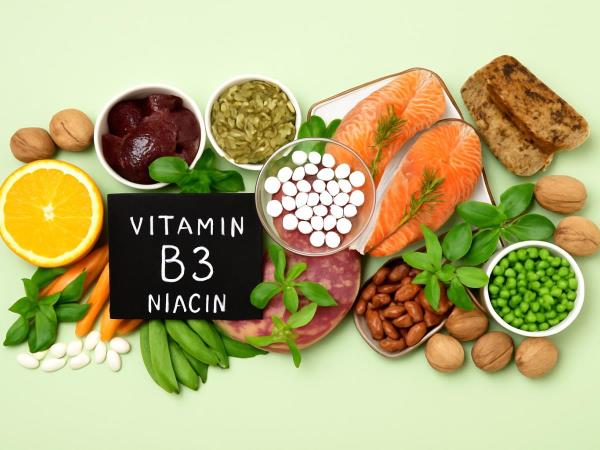
Luckily, vitamin B3 is fairly easy to get – but you need to know where to look. It's found mostly in:
Interestingly, our body can produce part of vitamin B3 from the amino acid tryptophan (a substance found in turkey meat and milk). But we can only cover about 50% of our needs this way. The rest must come from food or supplements.
When vitamin B3 is lacking…
In the past, a disease known as pellagra was common. It occurs when the body does not get enough vitamin B3 for a long time. Symptoms are dry skin, inflamed tongue, digestive problems and even mental disturbances. Today, pellagra is rare, but still present in some countries where people eat almost exclusively corn – but not the kind from Slovenian gardens, but processed industrial corn, where vitamin B3 is bound to substances the body cannot break down.
Already in the 18th century, healers noticed that those who eat a varied diet rich in proteins rarely get pellagra. They did not yet know the term vitamin at the time, but they already knew what works.
How much vitamin B3 do we actually need?
According to the recommendations of the European Food Safety Authority (EFSA), an adult should consume around:
In special conditions (e.g. pregnancy, breastfeeding, heavy physical work) the needs are somewhat higher.
Interestingly, 100 grams of roasted chicken meat already contains about 11 mg of niacin, which means that with a single meal you can cover most of your daily need.
Old vitamins for modern problems
In a time when shelves are full of supplements, preparations and superfoods, sometimes it is best to turn to simple, but effective solutions. Vitamin B3 is not a fad – it is a natural substance which has been helping people maintain health for centuries.
With a regular intake of food rich in vitamin B3, and occasional supplementation when appropriate, you can do a lot for your health – and without side effects.
Information on this website is for educational purposes only and is not medical advice.
Why is vitamin B3 something special?
We know three faces of one vitamin (sometimes you may hear an analogy about three brothers with the same name, but each with their own task):
- Niacin – the most well-known form, which takes care of the heart and cholesterol.
- Nicotinamide – a milder form, often used for the skin.
- Nicotinamide riboside – a newer form, which shows promise for cell rejuvenation.
Just to be clear – although one of the forms contains the word nicotine, it has no connection to cigarettes. It's just a naming convention that stuck in chemistry.
Skin – the mirror of health
People have always believed that inner health is reflected in the skin. And it is true – vitamin B3 plays an important role here. As shown by a study from Australia, published in the journal Australasian Journal of Dermatology, nicotinamide helps repair damaged skin and reduces inflammation, which leads to problems such as acne, dermatitis and even autoimmune skin diseases, where the body attacks itself.
It is especially interesting that vitamin B3 in cream form can also reduce the occurrence of actinic keratoses – these are rough, scaly patches on the skin caused by the sun and can be precancerous. Australian researchers have proven that with regular intake of vitamin B3, the number of new cases of basal cell carcinoma (the most common skin cancer) decreases by 23%, and squamous cell carcinoma by an impressive 30%. This is a remarkable finding, as UV rays remain one of the most common causes of skin diseases.
So we return to old folk wisdom: If the sun warms you every day, vitamin B3 will save your day.
The heart – the silent engine of life
Although we talk a lot about cholesterol and heart diseases, few know that even the natural form of vitamin B3 can significantly contribute to better vascular health. A 2015 study published in Medical Science Monitor confirms that niacin lowers the level of triglycerides (these are fats in the blood) and increases the level of good cholesterol, the kind that cleans our vessels.
In addition, it stimulates the production of adiponectin, a hormone that reduces the accumulation of fats in vascular walls. Considering that cardiovascular diseases are responsible for more than 17.9 million deaths per year worldwide (according to the World Health Organization), we can understand why every natural aid like vitamin B3 is so welcome.
The brain – the temple of memory and reason
Worried about forgetfulness? Maybe you are interested in whether you can do something to maintain mental sharpness as you age? Also here, vitamin B3 plays an important role. The journal International Journal of Molecular Sciences described the effect of niacin on the brain and nervous system. They found that it can help slow the progression of Alzheimer's, Parkinson's and Huntington's diseases – three of the most fearsome diseases of modern times, which eat away at mind and body.
Vitamin B3 works by protecting nerve cells and promoting their regeneration. Just as a good forester prunes dead branches and ensures the tree comes back to life, niacin also keeps nerves healthy. It is particularly important that the body has sufficient reserves of this vitamin in later years, when natural processes slow down.
Where in food can we find the most vitamin B3?
Luckily, vitamin B3 is fairly easy to get – but you need to know where to look. It's found mostly in:
- Eggs, especially the yolk.
- Legumes such as beans, lentils and chickpeas.
- Nuts and seeds, especially peanuts and sunflower seeds.
- Mushrooms, especially shiitake.
- Milk and meat, especially poultry and liver.
Interestingly, our body can produce part of vitamin B3 from the amino acid tryptophan (a substance found in turkey meat and milk). But we can only cover about 50% of our needs this way. The rest must come from food or supplements.
When vitamin B3 is lacking…
In the past, a disease known as pellagra was common. It occurs when the body does not get enough vitamin B3 for a long time. Symptoms are dry skin, inflamed tongue, digestive problems and even mental disturbances. Today, pellagra is rare, but still present in some countries where people eat almost exclusively corn – but not the kind from Slovenian gardens, but processed industrial corn, where vitamin B3 is bound to substances the body cannot break down.
Already in the 18th century, healers noticed that those who eat a varied diet rich in proteins rarely get pellagra. They did not yet know the term vitamin at the time, but they already knew what works.
How much vitamin B3 do we actually need?
According to the recommendations of the European Food Safety Authority (EFSA), an adult should consume around:
- 16 mg of niacin for men
- 14 mg for women
In special conditions (e.g. pregnancy, breastfeeding, heavy physical work) the needs are somewhat higher.
Interestingly, 100 grams of roasted chicken meat already contains about 11 mg of niacin, which means that with a single meal you can cover most of your daily need.
Old vitamins for modern problems
In a time when shelves are full of supplements, preparations and superfoods, sometimes it is best to turn to simple, but effective solutions. Vitamin B3 is not a fad – it is a natural substance which has been helping people maintain health for centuries.
With a regular intake of food rich in vitamin B3, and occasional supplementation when appropriate, you can do a lot for your health – and without side effects.
Information on this website is for educational purposes only and is not medical advice.
Author:
Zvone Stor
expert, nutritionist
expert, nutritionist
 Would you like to be informed about news on the website?
Just enter your e-mail
Vitamin B3 benefits
Skin health vitamin B3
Heart health niacin
Brain function niacin
Vitamin B3 food sources
Latest news





Four Ingredients Every Kitchen Already Has: The Morning Drink Healthy-Living Fans Swear By
Read more >>







After 40, the Pounds Don't Just Appear – Your Body Is Sending You a Message Most Women Misread
Read more >>

The Humble Bean That Takes On Cholesterol: Why Legumes Are Not Just Peasant Food but a Friend to Your Heart
Read more >>

When a Kids' Drink Beats Sports Drinks: What Science Really Says About Chocolate Milk After Training
Read more >>

Interaktive Widgets:
|

