




Date: 05/04/2026 - GOOD TO KNOW
Foods That Improve Nutrient Absorption
AUTHOR:
Zvone Stor
expert, nutritionist
expert, nutritionist
When we talk about health, we often think about what we need to eat, but we rarely consider how well our bodies actually utilize the food we ingest ...
Have you ever wondered how many beneficial substances from food actually get absorbed into our bloodstream and reach where our bodies need them? Without good absorption, even the healthiest foods can be more or less a missed opportunity.
After years of researching folk medicine and comparing it with modern science, we have discovered many interesting things. And this, dear readers, is exactly what we want to share with you today: which foods pair excellently together, so your body can get the most out of them.
One of the best-known examples is the combination of iron and vitamin C. You might remember that when you were anemic, doctors recommended drinking orange juice with your iron tablets. This is no coincidence. Vitamin C (ascorbic acid) changes the form of iron in the intestine so the body can absorb it more easily. Without vitamin C, our body absorbs only 10–15% of iron from plant sources, but with it, up to 30–40%. Take, for example, oatmeal, which we often eat for breakfast – it's an excellent source of iron. If you eat it together with a glass of fresh orange juice, the effect is twofold: satiety and improved blood count.
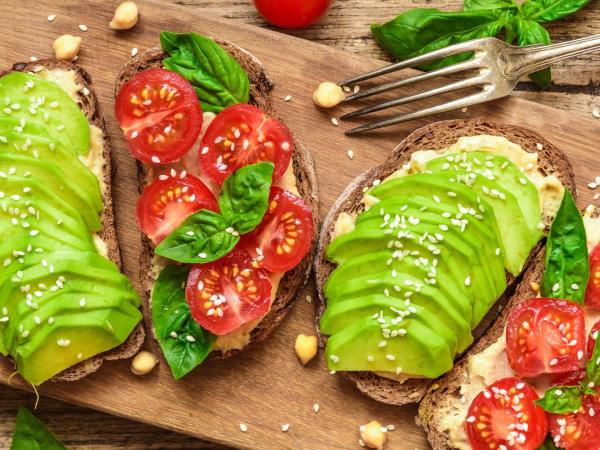
A similarly interesting relationship exists between tomatoes and avocado. Tomatoes contain lycopene – a powerful antioxidant that helps protect our cells from damage. But lycopene is fat-soluble, which means that the body struggles to absorb it without the presence of fats. If you add some avocado to tomatoes, which is rich in healthy fatty acids (mainly omega-9), lycopene absorption increases up to threefold. This is confirmed by a 2005 study from Ohio University, which showed that adding avocado to a tomato salad improved lycopene absorption by as much as 300%.
The combination of vitamin B12 and omega-3 fatty acids is also very interesting. Vitamin B12 is essential for healthy nervous system function, while omega-3s (found mainly in fatty fish such as salmon, mackerel, and cod) are known for their anti-inflammatory effects and their role in lowering bad cholesterol (LDL) levels. When these two nutrients are combined, not only are they absorbed better, but they also work synergistically – meaning their combined effect is greater than the sum of their individual effects. Research has shown that regular consumption of this combination can lower triglycerides by up to 25% and improve the ratio between good and bad cholesterol.
If we look at green leafy vegetables, for example, spinach, we quickly notice they are full of folates. Folates (the natural form of vitamin B9) play an important role in the formation of red blood cells and are especially important for pregnant women, as they help prevent defects in the fetus. However, the body absorbs folates rather poorly if consumed alone. But if you add some lemon juice – a source of vitamin C – to a spinach salad, absorption can double. Citric acid helps break down the cell walls of plant fibers, making folates more accessible.
Let's start the morning with a combination that came from our own kitchen, when we tried to find the ideal breakfast for a strong immune system and strong bones. Eggs, rich in vitamin D, combined with broccoli, which is full of calcium, create an excellent base for the day. Vitamin D acts as a key to unlock the doors of the cells, so calcium can enter and be deposited where needed – mainly in the bones and teeth. Without enough vitamin D, the body absorbs only about 10–15% of calcium from food, but with its presence, up to 65%. This means that with a bit of smart pairing, you can get more than three times the nutritional benefit from the same portion of food.
But it's not all about pairs. Sometimes trios are effective too. One example is the combination of vitamins A, D, and K2, which together play a key role in distributing calcium in the body. While vitamin D enables absorption, vitamin K2 ensures calcium doesn't accumulate in blood vessels, but in the bones. That's why it's no surprise that traditional diets, like the Japanese, where fermented foods (rich in vitamin K2) are regularly consumed, are associated with lower rates of cardiovascular disease.
Looking more broadly, it’s important to know that other factors also influence absorption – not just food combinations. Stress can decrease digestive strength, lack of sleep affects the level of enzymes in the body, and fast food often contains absorption inhibitors such as phytates, found in some unprocessed grains and legumes. Phytates, put simply, are substances that bind to minerals (iron, zinc, magnesium) and thus remove them from the body before it can utilize them.
One interesting fact we often mention in natural healing workshops is also the effect of tea and coffee on absorption. One cup of black tea with a meal can reduce iron absorption by 60%, and with coffee by about 40%. Therefore, we recommend enjoying your coffee or tea at least an hour after a meal.
To sum it all up – it’s not enough to eat healthily. It's important how and with what you combine foods to get the most out of them. In a world where every vitamin counts, knowledge about proper absorption is an advantage you can have without extra cost – just with a little more understanding.
And if you ever wonder why you don't feel as vital as you'd like, despite a healthy diet, the reason may be that your body isn’t receiving everything you’re offering. Think about how even small changes (e.g. lemon juice on spinach or a few slices of avocado with tomato) can make a huge difference.
Information on this website is for educational purposes only and is not medical advice.
After years of researching folk medicine and comparing it with modern science, we have discovered many interesting things. And this, dear readers, is exactly what we want to share with you today: which foods pair excellently together, so your body can get the most out of them.
One of the best-known examples is the combination of iron and vitamin C. You might remember that when you were anemic, doctors recommended drinking orange juice with your iron tablets. This is no coincidence. Vitamin C (ascorbic acid) changes the form of iron in the intestine so the body can absorb it more easily. Without vitamin C, our body absorbs only 10–15% of iron from plant sources, but with it, up to 30–40%. Take, for example, oatmeal, which we often eat for breakfast – it's an excellent source of iron. If you eat it together with a glass of fresh orange juice, the effect is twofold: satiety and improved blood count.
A similarly interesting relationship exists between tomatoes and avocado. Tomatoes contain lycopene – a powerful antioxidant that helps protect our cells from damage. But lycopene is fat-soluble, which means that the body struggles to absorb it without the presence of fats. If you add some avocado to tomatoes, which is rich in healthy fatty acids (mainly omega-9), lycopene absorption increases up to threefold. This is confirmed by a 2005 study from Ohio University, which showed that adding avocado to a tomato salad improved lycopene absorption by as much as 300%.
The combination of vitamin B12 and omega-3 fatty acids is also very interesting. Vitamin B12 is essential for healthy nervous system function, while omega-3s (found mainly in fatty fish such as salmon, mackerel, and cod) are known for their anti-inflammatory effects and their role in lowering bad cholesterol (LDL) levels. When these two nutrients are combined, not only are they absorbed better, but they also work synergistically – meaning their combined effect is greater than the sum of their individual effects. Research has shown that regular consumption of this combination can lower triglycerides by up to 25% and improve the ratio between good and bad cholesterol.
If we look at green leafy vegetables, for example, spinach, we quickly notice they are full of folates. Folates (the natural form of vitamin B9) play an important role in the formation of red blood cells and are especially important for pregnant women, as they help prevent defects in the fetus. However, the body absorbs folates rather poorly if consumed alone. But if you add some lemon juice – a source of vitamin C – to a spinach salad, absorption can double. Citric acid helps break down the cell walls of plant fibers, making folates more accessible.
Let's start the morning with a combination that came from our own kitchen, when we tried to find the ideal breakfast for a strong immune system and strong bones. Eggs, rich in vitamin D, combined with broccoli, which is full of calcium, create an excellent base for the day. Vitamin D acts as a key to unlock the doors of the cells, so calcium can enter and be deposited where needed – mainly in the bones and teeth. Without enough vitamin D, the body absorbs only about 10–15% of calcium from food, but with its presence, up to 65%. This means that with a bit of smart pairing, you can get more than three times the nutritional benefit from the same portion of food.
But it's not all about pairs. Sometimes trios are effective too. One example is the combination of vitamins A, D, and K2, which together play a key role in distributing calcium in the body. While vitamin D enables absorption, vitamin K2 ensures calcium doesn't accumulate in blood vessels, but in the bones. That's why it's no surprise that traditional diets, like the Japanese, where fermented foods (rich in vitamin K2) are regularly consumed, are associated with lower rates of cardiovascular disease.
Looking more broadly, it’s important to know that other factors also influence absorption – not just food combinations. Stress can decrease digestive strength, lack of sleep affects the level of enzymes in the body, and fast food often contains absorption inhibitors such as phytates, found in some unprocessed grains and legumes. Phytates, put simply, are substances that bind to minerals (iron, zinc, magnesium) and thus remove them from the body before it can utilize them.
One interesting fact we often mention in natural healing workshops is also the effect of tea and coffee on absorption. One cup of black tea with a meal can reduce iron absorption by 60%, and with coffee by about 40%. Therefore, we recommend enjoying your coffee or tea at least an hour after a meal.
To sum it all up – it’s not enough to eat healthily. It's important how and with what you combine foods to get the most out of them. In a world where every vitamin counts, knowledge about proper absorption is an advantage you can have without extra cost – just with a little more understanding.
And if you ever wonder why you don't feel as vital as you'd like, despite a healthy diet, the reason may be that your body isn’t receiving everything you’re offering. Think about how even small changes (e.g. lemon juice on spinach or a few slices of avocado with tomato) can make a huge difference.
Information on this website is for educational purposes only and is not medical advice.
Author:
Zvone Stor
expert, nutritionist
expert, nutritionist
 Would you like to be informed about news on the website?
Just enter your e-mail
Nutrient absorption
Food combinations
Absorption optimisation
Vitamin absorption
Nutrient synergy
Latest news





Four Ingredients Every Kitchen Already Has: The Morning Drink Healthy-Living Fans Swear By
Read more >>







After 40, the Pounds Don't Just Appear – Your Body Is Sending You a Message Most Women Misread
Read more >>

The Humble Bean That Takes On Cholesterol: Why Legumes Are Not Just Peasant Food but a Friend to Your Heart
Read more >>

When a Kids' Drink Beats Sports Drinks: What Science Really Says About Chocolate Milk After Training
Read more >>

Interaktive Widgets:
|

