




Date: 04/30/2026 - GOOD TO KNOW
Natural substitutes for vitamin tablets
AUTHOR:
Zvone Stor
expert, nutritionist
expert, nutritionist
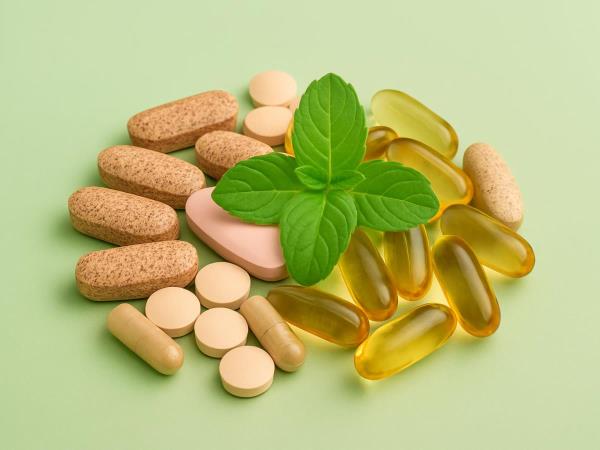
Dietary supplements or natural foods from the home kitchen, garden, and local market? This is a dilemma that, in reality, shouldn’t be a dilemma at all.
It’s easier to swallow a tablet than to prepare a natural substitute. However, did you know that nutrients from real food are much more valuable? With them, we don’t only get the basic vitamins and minerals but also thousands of tiny substances that function in the body like an orchestra and provide health benefits in a way that no tablet can imitate.
We also know that numerous studies confirm this. For example, a comprehensive review of 277 studies, published in the medical journal Annals of Internal Medicine, showed that taking vitamins in the form of dietary supplements mostly doesn’t reduce the risk of diseases, whereas proper nutrition significantly affects longevity and quality of life.
Your plate can be your best pharmacy
Vitamins and minerals from food are not just nutrients—they are a living part of nature that works in perfect harmony with your body. By following simple natural solutions, you can strengthen your health without supplements in tablet form. And best of all—natural food isn’t associated with undesirable side effects, such as have recently been found in some dietary supplements.
So be kind to yourself and serve yourself colorful, vibrant, and fresh foods every day, as the wisdom of our ancestors respected centuries ago.
And remember: true health does not grow in a laboratory, but in the soil, on trees, and in the sun.
Information on this website is for educational purposes only and is not medical advice.
We also know that numerous studies confirm this. For example, a comprehensive review of 277 studies, published in the medical journal Annals of Internal Medicine, showed that taking vitamins in the form of dietary supplements mostly doesn’t reduce the risk of diseases, whereas proper nutrition significantly affects longevity and quality of life.
- Vitamin C – first aid from nature
Vitamin C is a true legend among vitamins. It helps your body heal wounds, improves immune function, and even increases the level of so-called good cholesterol (HDL). What’s more—research at the American Johns Hopkins University has shown that regular intake of vitamin C can reduce the risk of stroke by as much as 42%.
Instead of tablets, you can opt for some delicious foods. Half a cup of freshly chopped red bell pepper, for example, contains as much as 95 mg of vitamin C—more than a medium-sized orange (70 mg). If you squeeze a fresh juice from ž cups of oranges in the morning, you’ll get about 93 mg of this valuable vitamin. Kiwi lovers will be happy to know that one medium-sized kiwi contains about 64 mg of vitamin C.
Fun fact: Smokers need as much as 35 mg more vitamin C per day, as smoking depletes the body’s stores. Women should consume at least 75 mg of vitamin C per day, while men require about 90 mg. Pregnant and breastfeeding women should increase their intake by an additional 10–35 mg per day.
Good to know: Since this is a water-soluble vitamin, excess amounts of vitamin C simply leave the body in urine, so you don’t need to worry about possible overdoses. - Iron – the key to strength and energy
If you’ve ever felt unusually tired, pale, or dizzy, you may have encountered iron deficiency. Iron is a key component of hemoglobin—the protein in blood that carries oxygen to all your cells. Without enough iron, the body cannot produce energy, leading to a condition commonly known as anemia.
We recommend eating foods such as beef liver, green vegetables, and legumes. A special delicacy is young fresh nettle leaves: 100 g of fresh nettle contains as much as 13 mg of iron! By the way, nettles are also wonderful in teas.
For reference:- Teenage boys need 11 mg of iron daily,
- teenage girls need 15 mg (because they lose more blood during menstruation),
- adult women require 18 mg until menopause, then 8 mg after that,
- pregnant women need as much as 27 mg per day to ensure the development of the child.
If you’re craving something from the sea, note that 85 g of canned crab contains a whopping 30 mg of iron, while the same amount of oysters contains 10 mg. And an interesting point—100 g of dried apricots contains about 6 mg of iron.
Important: Combining foods rich in iron with those high in vitamin C (e.g., peppers, oranges) will allow your body to absorb iron much more efficiently. - Teenage boys need 11 mg of iron daily,
- Omega-3 fatty acids – health for the heart, brain, and skin
When we talk about heart health, memory, and even mood, omega-3 fatty acids hold an important place. Unfortunately, most people consume too little. Studies, such as the one published in the journal Circulation, confirm that omega-3 intake can reduce the risk of heart attack by as much as 35%.
If fish aren’t exactly your favorite food or you’re concerned about mercury (which can be high in fish like tuna and swordfish), flax seeds, chia seeds, nuts, and even spinach can help. Just 30 grams of flax seeds contain six times the recommended daily amount of omega-3 fatty acids (1.1 g for adults).
Special fact: 40 to 50 grams of canned sardines will cover about 60% of your daily need for omega-3s. Sardines also have very little mercury, so they’re an excellent choice. - Vitamin B2 (riboflavin) – small but remarkably important
Vitamin B2, also known as riboflavin, helps your body transform fat, sugar, and protein into pure energy. In addition, it is crucial for healthy skin and maintaining the proper acid balance in the body.
The recommended daily intake is about 1.6 mg. If you like to start your day with cornflakes, you’ll be glad to know that 100 g contains about 0.8 mg riboflavin. Two eggs add another 0.45 mg.
It is important to know that riboflavin is a water-soluble vitamin—your body does not store it, so you need to take it in daily. - Vitamin D – sun in a capsule or on the plate?
Vitamin D is truly special. It’s needed for strong bones, regulates calcium levels, helps absorb magnesium and phosphorus, and even moderates our mood. During periods with little sunlight (from October to April in Slovenia), it is often lacking.
The recommended daily intake is about 5 micrograms (mcg). You can get it from salmon—100 g contains up to 10–15 mcg of vitamin D—or from cottage cheese. Although sun exposure is the most natural way, in cold months you can do a lot by simply including these foods in your diet.
Did you know: a study by Harvard University found that people with low vitamin D levels have a 64% greater risk of depression. This makes it especially important to ensure adequate intake in autumn and winter months.
Your plate can be your best pharmacy
Vitamins and minerals from food are not just nutrients—they are a living part of nature that works in perfect harmony with your body. By following simple natural solutions, you can strengthen your health without supplements in tablet form. And best of all—natural food isn’t associated with undesirable side effects, such as have recently been found in some dietary supplements.
So be kind to yourself and serve yourself colorful, vibrant, and fresh foods every day, as the wisdom of our ancestors respected centuries ago.
And remember: true health does not grow in a laboratory, but in the soil, on trees, and in the sun.
Information on this website is for educational purposes only and is not medical advice.
Author:
Zvone Stor
expert, nutritionist
expert, nutritionist
 Would you like to be informed about news on the website?
Just enter your e-mail
Natural vitamin substitutes
Dietary supplements vs natural foods
Benefits of real food
Vitamin C foods
Iron-rich foods
Latest news

Why Do You Always Wake Up at the Same Time? Your Body Might Be Trying to Tell You Something
Read more >>


French Fries and Your Brain: What an 11-Year Study of 140,000 People Found About Fried Food and Mood
Read more >>

Selenium: The Tiny Mineral Your Body Can't Live Without — And Can Absolutely Have Too Much Of
Read more >>
A Spoonful of Coconut Oil on an Empty Stomach: The Quiet Morning Habit So Many People Swear By
Read more >>

Anemia on Your Plate: The Everyday Foods Quietly Helping — Or Sabotaging — Your Iron Levels
Read more >>

Why the Humble Egg Might Just Be Your Diet's Secret Weapon: 5 Reasons Nutritionists Keep Coming Back To
Read more >>

Yogurt, Banana or Citrus for Breakfast? Why Some "Healthy" Foods Can Backfire on an Empty Stomach
Read more >>



Why the Scale Won't Budge, Even On a Diet: The Overlooked Mineral Almost Nobody Talks About
Read more >>


Interaktive Widgets:
|

