


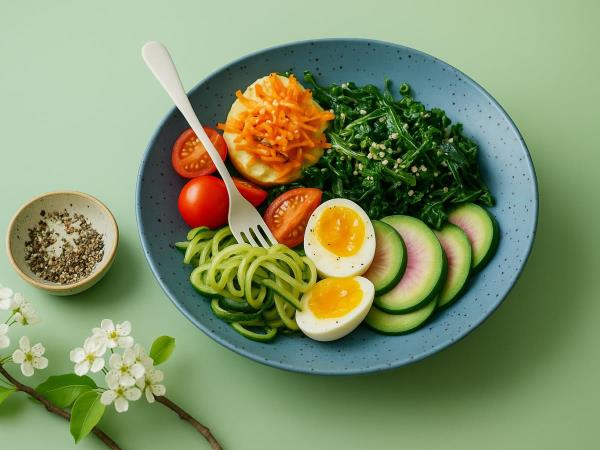


Date: 04/29/2026 - GOOD TO KNOW
What to eat to keep your energy up? And what should you avoid?
AUTHOR:
Zvone Stor
expert, nutritionist
expert, nutritionist
When we wake up in the morning and can barely gather enough strength to get out of bed, our first thought is often ... Well, no one thinks about the energy you'll need for the day ...
If we want to maintain vitality, a fresh mind and a spring in our step long-term, we need to look a bit deeper into our daily lives, especially at our plates. Sometimes, even small changes in our diet can make a big step towards more energy, and all that without giving up the pleasure of eating.
Water – the strongest, yet overlooked source of energy
First, dear readers, we must stop at water. An old saying goes: Water is life. And how true that is! Even a 2% loss of water in your body can cause tiredness, trouble concentrating, and reduced physical performance. According to research published in the Journal of Nutrition, even mild dehydration affects mood, memory, and decision-making capacity.
That’s why it’s recommended that every adult drinks at least 2 liters of water per day. Of course, needs vary depending on physical activity, weather, and health, but one fact remains – without sufficient hydration, it’s hard to expect to reach the evening feeling energetic.
And although advertising constantly tries to convince us to buy special energy drinks, we can tell you firsthand: pure water is the greatest natural energy drink you can have.
Food as fuel: why regular meals matter
Many, due to their quick daily pace, only have breakfast and then eat whatever is left in the evening. But you’re doing your body a disservice. There’s an old folk saying: A hungry horse doesn’t pull. And neither does a person.
If your body goes a long time without food, it starts conserving energy. The result is decreased mood, concentration, and of course, energy. To maintain balance, we advise you eat a meal every 3 to 4 hours. It doesn’t matter if it’s three bigger meals or five smaller ones, what matters is that your body gets fuel regularly.
It is especially important to combine healthy carbohydrates, proteins, and some healthy fats – that’s the best combination for stable energy throughout the day.
How to use coffee – and why not to abuse it
Coffee is a wonderful gift from nature, but like any medicine, it must be used wisely. One cup of coffee in the morning can be a real blessing. According to research published in the British Medical Journal, regular coffee consumption reduces the risk of heart disease, type 2 diabetes and even certain types of cancer.
But overdoing it – for example, more than 3 to 4 cups per day – can lead to nervousness, a rapid heartbeat, dehydration, and ultimately even more tiredness. So it’s smart to enjoy coffee in moderation, preferably in the morning.
If you use coffee to fight fatigue late in the afternoon, you’ll most likely disrupt your natural sleep rhythm and start the next day even more tired.
Foods that will fill you with energy
In old times, our ancestors swore by simple, natural foods that filled them with the strength needed for daily work. Today, science confirms their wisdom.
Whole grains – release energy slowly
Oats, barley, millet, quinoa – all these ancient grains contain complex carbohydrates and fiber, which allow a gradual release of energy. This means your blood sugar won’t bounce around, but you’ll feel the energy evenly throughout the day.
According to research in the American Journal of Clinical Nutrition, consuming wholegrain products reduces the feeling of tiredness by up to 26% compared to refined carbohydrates.
Water-rich fruit – a natural drink for the body
If you want to stay hydrated and energetic, reach for fruits like apples, watermelon, blueberries, and strawberries. In addition to being high in water, they’re a rich source of antioxidants that protect your cells from damage.
An interesting fact: research shows that eating at least 400 grams of fruit and vegetables a day can reduce heart disease risk by as much as 31%.
Nuts – a natural source of power
A handful of walnuts, almonds or hazelnuts can work miracles. Nuts are full of healthy fats, proteins, and fiber. On top of that, they’re an excellent source of iron and omega-3 fatty acids, which strengthen brain and heart function.
For example, just 30 grams of almonds covers about 20% of your daily magnesium needs, a mineral crucial for energy production.
Lentils – a hidden treasure
Lentils, which are often unjustly overlooked in our area, are a real little treasure chest of nutrients. One cup of cooked lentils contains almost 18 grams of protein and 15 grams of fiber. It’s also rich in iron, which is essential, since iron deficiency can lead to chronic fatigue.
For people with type 2 diabetes, they’re especially recommended, as they stabilize blood sugar.
Foods that sap your energy
If you’re trying your best and still feel tired, it's a good idea to double-check if your diet is sabotaging you.
Let your energy be natural and lasting
Nature has always offered us everything we need for an energetic life. Water, simple whole foods, some movement, and moderate coffee intake – these are the keys to strength that won’t fade by midday. If you listen to your body, give it the right fuel and take care of regular exercise and sleep, you’ll feel how life changes. And best of all: this journey back to nature and true values is accessible to everyone.
Information on this website is for educational purposes only and is not medical advice.
Water – the strongest, yet overlooked source of energy
First, dear readers, we must stop at water. An old saying goes: Water is life. And how true that is! Even a 2% loss of water in your body can cause tiredness, trouble concentrating, and reduced physical performance. According to research published in the Journal of Nutrition, even mild dehydration affects mood, memory, and decision-making capacity.
That’s why it’s recommended that every adult drinks at least 2 liters of water per day. Of course, needs vary depending on physical activity, weather, and health, but one fact remains – without sufficient hydration, it’s hard to expect to reach the evening feeling energetic.
And although advertising constantly tries to convince us to buy special energy drinks, we can tell you firsthand: pure water is the greatest natural energy drink you can have.
Food as fuel: why regular meals matter
Many, due to their quick daily pace, only have breakfast and then eat whatever is left in the evening. But you’re doing your body a disservice. There’s an old folk saying: A hungry horse doesn’t pull. And neither does a person.
If your body goes a long time without food, it starts conserving energy. The result is decreased mood, concentration, and of course, energy. To maintain balance, we advise you eat a meal every 3 to 4 hours. It doesn’t matter if it’s three bigger meals or five smaller ones, what matters is that your body gets fuel regularly.
It is especially important to combine healthy carbohydrates, proteins, and some healthy fats – that’s the best combination for stable energy throughout the day.
How to use coffee – and why not to abuse it
Coffee is a wonderful gift from nature, but like any medicine, it must be used wisely. One cup of coffee in the morning can be a real blessing. According to research published in the British Medical Journal, regular coffee consumption reduces the risk of heart disease, type 2 diabetes and even certain types of cancer.
But overdoing it – for example, more than 3 to 4 cups per day – can lead to nervousness, a rapid heartbeat, dehydration, and ultimately even more tiredness. So it’s smart to enjoy coffee in moderation, preferably in the morning.
If you use coffee to fight fatigue late in the afternoon, you’ll most likely disrupt your natural sleep rhythm and start the next day even more tired.
Foods that will fill you with energy
In old times, our ancestors swore by simple, natural foods that filled them with the strength needed for daily work. Today, science confirms their wisdom.
Whole grains – release energy slowly
Oats, barley, millet, quinoa – all these ancient grains contain complex carbohydrates and fiber, which allow a gradual release of energy. This means your blood sugar won’t bounce around, but you’ll feel the energy evenly throughout the day.
According to research in the American Journal of Clinical Nutrition, consuming wholegrain products reduces the feeling of tiredness by up to 26% compared to refined carbohydrates.
Water-rich fruit – a natural drink for the body
If you want to stay hydrated and energetic, reach for fruits like apples, watermelon, blueberries, and strawberries. In addition to being high in water, they’re a rich source of antioxidants that protect your cells from damage.
An interesting fact: research shows that eating at least 400 grams of fruit and vegetables a day can reduce heart disease risk by as much as 31%.
Nuts – a natural source of power
A handful of walnuts, almonds or hazelnuts can work miracles. Nuts are full of healthy fats, proteins, and fiber. On top of that, they’re an excellent source of iron and omega-3 fatty acids, which strengthen brain and heart function.
For example, just 30 grams of almonds covers about 20% of your daily magnesium needs, a mineral crucial for energy production.
Lentils – a hidden treasure
Lentils, which are often unjustly overlooked in our area, are a real little treasure chest of nutrients. One cup of cooked lentils contains almost 18 grams of protein and 15 grams of fiber. It’s also rich in iron, which is essential, since iron deficiency can lead to chronic fatigue.
For people with type 2 diabetes, they’re especially recommended, as they stabilize blood sugar.
Foods that sap your energy
If you’re trying your best and still feel tired, it's a good idea to double-check if your diet is sabotaging you.
- White flour and sugar – quick fuel, fast burnout
Bread rolls, donuts, chocolate croissants – all of these quickly spike your blood sugar, giving you a brief burst of energy. But soon after, blood sugar crashes quickly, causing even more tiredness. Moreover, research shows that excessive white sugar intake increases the risk of inflammation in the body. - Fatty foods – digestion put to the test
Heavy meals full of fats are like lead for your body. Large amounts of fat slow down digestion, meaning your body spends its energy breaking down food instead of getting into action.
Studies have shown that after a fatty meal, concentration drops by as much as 20% for several hours. - Processed foods – the silent power thief
Packaged sandwiches, snacks, instant soups – all these products are full of hidden sugars, salt, and artificial additives, which over time drain your body. What’s more, this kind of food doesn’t give your body nutrients, just empty calories, leading to fatigue and low mood.
Let your energy be natural and lasting
Nature has always offered us everything we need for an energetic life. Water, simple whole foods, some movement, and moderate coffee intake – these are the keys to strength that won’t fade by midday. If you listen to your body, give it the right fuel and take care of regular exercise and sleep, you’ll feel how life changes. And best of all: this journey back to nature and true values is accessible to everyone.
Information on this website is for educational purposes only and is not medical advice.
Author:
Zvone Stor
expert, nutritionist
expert, nutritionist
 Would you like to be informed about news on the website?
Just enter your e-mail
Natural energy source
Healthy diet for energy
Foods for vitality
Boosting energy naturally
Balanced diet for energy
Latest news

Why Do You Always Wake Up at the Same Time? Your Body Might Be Trying to Tell You Something
Read more >>


French Fries and Your Brain: What an 11-Year Study of 140,000 People Found About Fried Food and Mood
Read more >>

Selenium: The Tiny Mineral Your Body Can't Live Without — And Can Absolutely Have Too Much Of
Read more >>
A Spoonful of Coconut Oil on an Empty Stomach: The Quiet Morning Habit So Many People Swear By
Read more >>


Anemia on Your Plate: The Everyday Foods Quietly Helping — Or Sabotaging — Your Iron Levels
Read more >>

Why the Humble Egg Might Just Be Your Diet's Secret Weapon: 5 Reasons Nutritionists Keep Coming Back To
Read more >>


Yogurt, Banana or Citrus for Breakfast? Why Some "Healthy" Foods Can Backfire on an Empty Stomach
Read more >>



Why the Scale Won't Budge, Even On a Diet: The Overlooked Mineral Almost Nobody Talks About
Read more >>


Interaktive Widgets:
|

