




Date: 04/28/2026 - GOOD TO KNOW
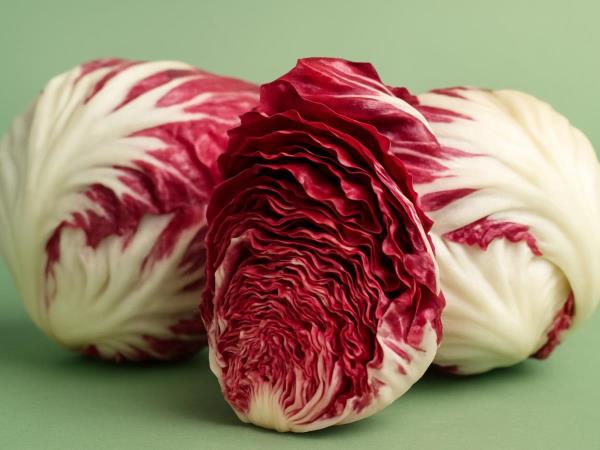
Radicchio: A Treasure Trove of Health and a Recipe for a Divine Salad
AUTHOR:
Zvone Stor
expert, nutritionist
expert, nutritionist
Many people know radicchio primarily as a somewhat bitter vegetable, but only a few are aware that it hides incredible healing powers, which our grandparents were very familiar with.
Radicchio, which you may sometimes hear called Italian radicchio (this refers to the slightly redder variety), is not only delicious but a true little miracle for your health.
What exactly is radicchio and why do we value it?
Radicchio is a vegetable that belongs to the chicory family (yes, that’s the plant from which our ancestors made coffee substitutes in times when coffee was scarce). Its flavor is slightly bitter, but that’s not a downside—on the contrary! Bitterness in foods is a sign of the presence of many beneficial substances.
The bitterness in radicchio is caused by substances that stimulate liver function, digestion, and cleansing of the body. In fact, old folk wisdom used to say that if you want to cleanse your blood (which basically means improve your health and immunity), bitter foods are indispensable.
It’s interesting that in Italy, where the most well-known varieties of red radicchio originate, people noticed centuries ago that eating radicchio brings more energy and fewer digestive problems.
What benefits does radicchio offer?
Although radicchio looks humble, its contents impress even modern researchers ... Radicchio contains as much as 3537 units of antioxidants per 100 grams (measured by the ORAC method—a way of measuring a substance’s ability to neutralize free radicals). For comparison: spinach has around 1500, and broccoli about 890. This means radicchio more than doubles the amount of antioxidants compared to many other types of vegetables!
What does this mean for you? Antioxidants are our little invisible heroes—they protect the body from damage caused by free radicals. These are responsible for premature aging, heart disease, type 2 diabetes, and even cancer.
Besides antioxidants, radicchio contains:
We mustn’t forget about minerals, as radicchio offers plenty of zinc, copper, and magnesium—three key minerals that help with tissue repair, strengthen the immune system, and regulate blood pressure.
A study published in the journal Frontiers in Pharmacology in 2020 showed that regular consumption of radicchio improved liver function by as much as 23% over a period of eight weeks.
How does radicchio affect metabolism and weight loss?
If you’re struggling with a few extra kilos, radicchio is your ally. Because of its high fiber content, it fills you up quickly, while containing very few calories—only 23 calories per 100 grams.
The fiber in radicchio not only fills your stomach, but also regulates blood sugar, as it slows the absorption of glucose into the blood. This means fewer energy swings and less sudden hunger attacks.
In addition, radicchio contains a special substance called inulin. If you haven’t heard of inulin yet—it’s a type of fiber that functions as a prebiotic in the body. Prebiotics are food for the good bacteria in our gut, which are crucial for digestive health, the immune system, and even mood.
Studies published in the Journal of Nutrition have shown that consumption of inulin reduces belly fat and improves insulin sensitivity.
Radicchio and heart health
According to the World Health Organization (WHO), cardiovascular diseases are still the leading cause of death worldwide. And this is precisely where radicchio proves to be an excellent support.
Its phytonutrients, such as lycopene, ellagic acid, and quercetin (all of which are natural protectors of cells), help lower blood pressure, reduce inflammation, and protect the circulatory system.
Quercetin (in case you didn’t know, it’s a natural plant pigment) has the ability to reduce blood clots and improve blood flow. Interestingly, one head of radicchio contains more quercetin than the average apple!
Radicchio for better digestion and detoxification
Our body absorbs small amounts of toxins daily through food, water, and air. The liver is responsible for cleansing, and radicchio effectively supports its work.
Its bitter substances, especially the compound lactucin (a natural bitter substance found in chicory and radicchio), stimulate the secretion of bile, which is crucial for breaking down fats. Bile also helps remove excess cholesterol from the body.
Healers used to say: Where there is bitterness, the liver is happy. And they were absolutely right.
Radicchio, olive and parmesan salad
Since we promised you something tasty, we’re happy to present you with a simple recipe that will win over your taste buds.
You will need:
Preparation is simple, but the secret is in the gentleness. Remove the tough outer leaves from the radicchio, cut out the core, and tear the leaves into bite-sized pieces. Clean the olives of pits and halve them.
In a small bowl, prepare the dressing: mix the olive oil, balsamic vinegar, a tablespoon of olive brine, and honey. Add salt and pepper to taste.
Just before serving, pour the dressing over the salad, gently toss, and sprinkle with grated cheese. For extra freshness, you can place a few green lettuce leaves under the salad.
The result? A salad that’s not only tasty but a real little health bomb!
In conclusion, we’d like to encourage you that next time you visit a market or health food store, you keep an eye out for radicchio. Whether you prepare it fresh, grilled, or in risotto, you’ll give it a chance to fill your body with vitality, invigorate your digestion, and delight your heart.
And as the wise old saying goes: Let food be your medicine, and medicine be your food.
Information on this website is for educational purposes only and is not medical advice.
What exactly is radicchio and why do we value it?
Radicchio is a vegetable that belongs to the chicory family (yes, that’s the plant from which our ancestors made coffee substitutes in times when coffee was scarce). Its flavor is slightly bitter, but that’s not a downside—on the contrary! Bitterness in foods is a sign of the presence of many beneficial substances.
The bitterness in radicchio is caused by substances that stimulate liver function, digestion, and cleansing of the body. In fact, old folk wisdom used to say that if you want to cleanse your blood (which basically means improve your health and immunity), bitter foods are indispensable.
It’s interesting that in Italy, where the most well-known varieties of red radicchio originate, people noticed centuries ago that eating radicchio brings more energy and fewer digestive problems.
What benefits does radicchio offer?
Although radicchio looks humble, its contents impress even modern researchers ... Radicchio contains as much as 3537 units of antioxidants per 100 grams (measured by the ORAC method—a way of measuring a substance’s ability to neutralize free radicals). For comparison: spinach has around 1500, and broccoli about 890. This means radicchio more than doubles the amount of antioxidants compared to many other types of vegetables!
What does this mean for you? Antioxidants are our little invisible heroes—they protect the body from damage caused by free radicals. These are responsible for premature aging, heart disease, type 2 diabetes, and even cancer.
Besides antioxidants, radicchio contains:
- Vitamin C, which strengthens the immune system.
- Vitamin A, important for the health of eyes and skin.
- Vitamin E, which protects cells from damage.
- Vitamins from the B group (B1, B2, B3, and B6), which ensure a good nervous system and metabolism.
We mustn’t forget about minerals, as radicchio offers plenty of zinc, copper, and magnesium—three key minerals that help with tissue repair, strengthen the immune system, and regulate blood pressure.
A study published in the journal Frontiers in Pharmacology in 2020 showed that regular consumption of radicchio improved liver function by as much as 23% over a period of eight weeks.
How does radicchio affect metabolism and weight loss?
If you’re struggling with a few extra kilos, radicchio is your ally. Because of its high fiber content, it fills you up quickly, while containing very few calories—only 23 calories per 100 grams.
The fiber in radicchio not only fills your stomach, but also regulates blood sugar, as it slows the absorption of glucose into the blood. This means fewer energy swings and less sudden hunger attacks.
In addition, radicchio contains a special substance called inulin. If you haven’t heard of inulin yet—it’s a type of fiber that functions as a prebiotic in the body. Prebiotics are food for the good bacteria in our gut, which are crucial for digestive health, the immune system, and even mood.
Studies published in the Journal of Nutrition have shown that consumption of inulin reduces belly fat and improves insulin sensitivity.
Radicchio and heart health
According to the World Health Organization (WHO), cardiovascular diseases are still the leading cause of death worldwide. And this is precisely where radicchio proves to be an excellent support.
Its phytonutrients, such as lycopene, ellagic acid, and quercetin (all of which are natural protectors of cells), help lower blood pressure, reduce inflammation, and protect the circulatory system.
Quercetin (in case you didn’t know, it’s a natural plant pigment) has the ability to reduce blood clots and improve blood flow. Interestingly, one head of radicchio contains more quercetin than the average apple!
Radicchio for better digestion and detoxification
Our body absorbs small amounts of toxins daily through food, water, and air. The liver is responsible for cleansing, and radicchio effectively supports its work.
Its bitter substances, especially the compound lactucin (a natural bitter substance found in chicory and radicchio), stimulate the secretion of bile, which is crucial for breaking down fats. Bile also helps remove excess cholesterol from the body.
Healers used to say: Where there is bitterness, the liver is happy. And they were absolutely right.
Radicchio, olive and parmesan salad
Since we promised you something tasty, we’re happy to present you with a simple recipe that will win over your taste buds.
You will need:
- 1 small head of radicchio
- 1 cup of green olives
- 2 tablespoons of olive oil
- 1 tablespoon of balsamic vinegar
- 1 tablespoon of honey
- 60 grams of grated parmesan (or grana padano cheese)
- a pinch of salt and pepper
- a few leaves of green lettuce as a base
Preparation is simple, but the secret is in the gentleness. Remove the tough outer leaves from the radicchio, cut out the core, and tear the leaves into bite-sized pieces. Clean the olives of pits and halve them.
In a small bowl, prepare the dressing: mix the olive oil, balsamic vinegar, a tablespoon of olive brine, and honey. Add salt and pepper to taste.
Just before serving, pour the dressing over the salad, gently toss, and sprinkle with grated cheese. For extra freshness, you can place a few green lettuce leaves under the salad.
The result? A salad that’s not only tasty but a real little health bomb!
In conclusion, we’d like to encourage you that next time you visit a market or health food store, you keep an eye out for radicchio. Whether you prepare it fresh, grilled, or in risotto, you’ll give it a chance to fill your body with vitality, invigorate your digestion, and delight your heart.
And as the wise old saying goes: Let food be your medicine, and medicine be your food.
Information on this website is for educational purposes only and is not medical advice.
Author:
Zvone Stor
expert, nutritionist
expert, nutritionist
 Would you like to be informed about news on the website?
Just enter your e-mail
Radicchio health benefits
Radicchio antioxidants
Radicchio recipe
Radicchio weight loss
Radicchio digestive health
Latest news

Why Do You Always Wake Up at the Same Time? Your Body Might Be Trying to Tell You Something
Read more >>


French Fries and Your Brain: What an 11-Year Study of 140,000 People Found About Fried Food and Mood
Read more >>
Selenium: The Tiny Mineral Your Body Can't Live Without — And Can Absolutely Have Too Much Of
Read more >>
A Spoonful of Coconut Oil on an Empty Stomach: The Quiet Morning Habit So Many People Swear By
Read more >>


Anemia on Your Plate: The Everyday Foods Quietly Helping — Or Sabotaging — Your Iron Levels
Read more >>

Why the Humble Egg Might Just Be Your Diet's Secret Weapon: 5 Reasons Nutritionists Keep Coming Back To
Read more >>

Yogurt, Banana or Citrus for Breakfast? Why Some "Healthy" Foods Can Backfire on an Empty Stomach
Read more >>



Why the Scale Won't Budge, Even On a Diet: The Overlooked Mineral Almost Nobody Talks About
Read more >>


Interaktive Widgets:
|

