




Date: 04/27/2026 - GOOD TO KNOW
How to Prevent Vein Bursting and Why It’s Not Just a Cosmetic Problem
AUTHOR:
Zvone Stor
expert, nutritionist
expert, nutritionist
Vein bursting is relatively harmless, although many serious illnesses may lie behind it.
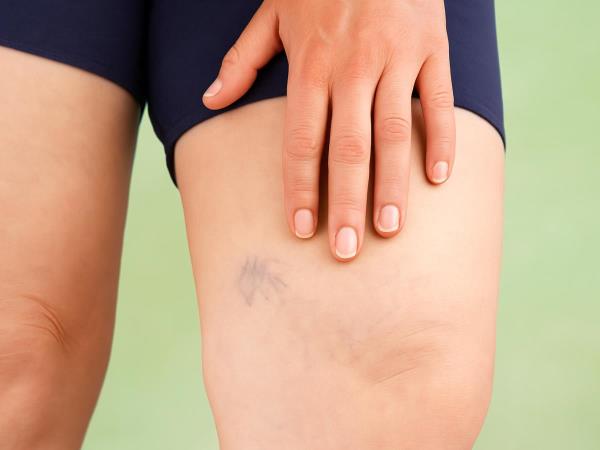
When a vein in our body bursts, some blood spills into the surrounding tissue, which then appears as a bruise or hematoma. Vein bursting is mostly not dangerous and can result from an injury, varicose veins, improper or excessive sitting, it can also be a side effect of taking medication, and even a sign of leukemia, meningitis, or sepsis.
The simplest case is a bruise that you get from a blow. Such a bruise usually disappears in a few days, and can also last two to three weeks. The easiest way to get rid of them is to place a cold compress on the impact area for 30 minutes and then use some other healing compress for 20 more minutes.
Varicose veins can also develop from excessive sitting, when blood stagnates in the legs and over the years the heart has more difficulty pumping it out. This leads to blood pooling and many problems. In addition to a sedentary lifestyle, hormones also play a role, which is why it’s especially important to stay physically active as you age. At least 30 minutes of walking per day.
Of course, the quality of your blood vessels is also strongly affected by your diet. Varicose veins are more visible when your body is lacking bioflavonoids, as well as vitamin C and E. Bioflavonoids are essential for improving venous circulation, and are found most abundantly in buckwheat, apricots, cherries, apples and black tea. It’s always recommended to eat plenty of citrus fruits, olive oil, avocados, chia seeds, and nuts.
If you want to avoid varicose veins, never sit with your legs crossed, make sure to walk regularly, don’t sit for more than 45 minutes without getting up and walking, even if it’s just to the bathroom. Also, don’t wear high heels, avoid tight clothing and shoes, and before sleep, we recommend that you keep your legs elevated above the level of your heart for at least 20 minutes.
And a few serious notes: varicose veins can also be a symptom of other illnesses. If you bruise easily, this can be dangerous for leukemia; many bruises can also indicate sepsis or blood poisoning. Frequent nosebleeds, bleeding gums, hemorrhoids, or the appearance of blood in the urine are also connected to varicose veins. Even frequent throat infections aren’t as harmless as they seem. All these are issues you should discuss with your doctor.
Information on this website is for educational purposes only and is not medical advice.
The simplest case is a bruise that you get from a blow. Such a bruise usually disappears in a few days, and can also last two to three weeks. The easiest way to get rid of them is to place a cold compress on the impact area for 30 minutes and then use some other healing compress for 20 more minutes.
Varicose veins can also develop from excessive sitting, when blood stagnates in the legs and over the years the heart has more difficulty pumping it out. This leads to blood pooling and many problems. In addition to a sedentary lifestyle, hormones also play a role, which is why it’s especially important to stay physically active as you age. At least 30 minutes of walking per day.
Of course, the quality of your blood vessels is also strongly affected by your diet. Varicose veins are more visible when your body is lacking bioflavonoids, as well as vitamin C and E. Bioflavonoids are essential for improving venous circulation, and are found most abundantly in buckwheat, apricots, cherries, apples and black tea. It’s always recommended to eat plenty of citrus fruits, olive oil, avocados, chia seeds, and nuts.
If you want to avoid varicose veins, never sit with your legs crossed, make sure to walk regularly, don’t sit for more than 45 minutes without getting up and walking, even if it’s just to the bathroom. Also, don’t wear high heels, avoid tight clothing and shoes, and before sleep, we recommend that you keep your legs elevated above the level of your heart for at least 20 minutes.
And a few serious notes: varicose veins can also be a symptom of other illnesses. If you bruise easily, this can be dangerous for leukemia; many bruises can also indicate sepsis or blood poisoning. Frequent nosebleeds, bleeding gums, hemorrhoids, or the appearance of blood in the urine are also connected to varicose veins. Even frequent throat infections aren’t as harmless as they seem. All these are issues you should discuss with your doctor.
Information on this website is for educational purposes only and is not medical advice.
Author:
Zvone Stor
expert, nutritionist
expert, nutritionist
 Would you like to be informed about news on the website?
Just enter your e-mail
Vein bursting prevention
Varicose veins causes
Healthy blood vessels
Bruise healing tips
Varicose veins symptoms
Latest news

Why Do You Always Wake Up at the Same Time? Your Body Might Be Trying to Tell You Something
Read more >>


French Fries and Your Brain: What an 11-Year Study of 140,000 People Found About Fried Food and Mood
Read more >>

Selenium: The Tiny Mineral Your Body Can't Live Without — And Can Absolutely Have Too Much Of
Read more >>

A Spoonful of Coconut Oil on an Empty Stomach: The Quiet Morning Habit So Many People Swear By
Read more >>

Anemia on Your Plate: The Everyday Foods Quietly Helping — Or Sabotaging — Your Iron Levels
Read more >>

Why the Humble Egg Might Just Be Your Diet's Secret Weapon: 5 Reasons Nutritionists Keep Coming Back To
Read more >>


Yogurt, Banana or Citrus for Breakfast? Why Some "Healthy" Foods Can Backfire on an Empty Stomach
Read more >>



Why the Scale Won't Budge, Even On a Diet: The Overlooked Mineral Almost Nobody Talks About
Read more >>


Interaktive Widgets:
|

