




Date: 04/07/2026 - GOOD TO KNOW
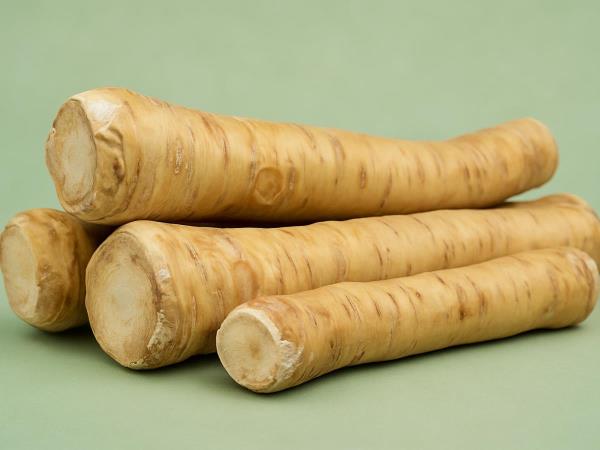
Horseradish heals the respiratory system
AUTHOR:
Zvone Stor
expert, nutritionist
expert, nutritionist
When the cold wind starts blowing and we feel a scratchy throat, it’s time to turn to nature. And among the most powerful helpers within our reach is – horseradish!
Horseradish is a pungent root that takes your breath away when grated, but in reality, it’s a small factory of health. If we asked our grandmothers, they would say: If you have a stuffy nose, grate horseradish and sniff it. It will clear everything instantly!
And they would be right.
Horseradish: Medicine of the ancient world
Horseradish (Armoracia rusticana) was already known to the ancient Egyptians, who used it to increase physical strength and as a medicine. In the Middle Ages, it was valuable both as a spice and as a remedy, and today research confirms that horseradish is a powerful natural antibiotic.
It contains substances with antibacterial (destroying bacteria), antiviral (inhibiting viruses), and antifungal effects. The most important among them are glucosinolates – compounds that are also found in broccoli, kale, and mustard, and are broken down in the body into isothiocyanates, known for their strong antimicrobial effect.
In a 2007 study published in Phytotherapy Research, researchers found that horseradish extract works against more than 20 different types of bacteria – including some that cause sinus infections and bronchitis.
Why is horseradish so effective for the respiratory system?
When we are troubled by blocked sinuses, coughing, or a sore throat, we often turn to synthetic medications. But horseradish offers a natural alternative, because it:
Horseradish contains 79 mg of vitamin C per 100 grams, which is more than an orange! (which contains around 53 mg/100 g). Vitamin C is key for the body’s defense, as it stimulates white blood cells to fight infections more effectively.
In addition, horseradish also contains potassium, calcium, magnesium, and fiber, which help with digestion and detoxification.
Horseradish against bronchitis and urinary tract infections
An interesting study from Germany (published in Arzneimittel-Forschung) showed that a combination of horseradish and nasturtium (another medicinal plant) helps in treating acute respiratory infections and even bladder inflammation, without the need for antibiotics. The study participants had mild infections and reported faster improvement of symptoms without side effects.
This means that horseradish could become an important part of our home “medicine cabinet,” especially at a time when we face increasing bacterial resistance to antibiotics.
Recipes from the home kitchen
So how do we use it? You don’t need to be a pharmacist to prepare an effective horseradish remedy. Here are some proven ways you can use it:
Some more interesting numbers
According to the European Food Safety Authority (EFSA), 100 g of horseradish also contains 246 mg of potassium, which is important for a healthy heart.
In traditional German medicine, horseradish has been used as a remedy for colds and flu for over 500 years.
In the USA, the use of natural antibiotics such as horseradish increases by about 6% per year, as people seek more natural ways of healing.
In Poland, horseradish is one of the 10 most recommended plants for treating flu, together with elderberry and garlic.
What do researchers say?
Dr. Maria Pasi from the Institute for Natural Medicine in Berlin says: Horseradish is one of the most underestimated natural antibiotics. Its strength lies in the volatile oils, which quickly penetrate problem areas – sinuses, throat, bronchi.
Slovenian ethnobotanist Jasna Kogoj agrees, saying: Every garden should have at least one horseradish root – as a protection against viruses and for first aid during infections.
Warning
Although horseradish is natural, it is not suitable for everyone. People with sensitive stomach lining or stomach ulcers should consume it carefully and in small amounts. It is not recommended for children under three years of age.
Information on this website is for educational purposes only and is not medical advice.
And they would be right.
Horseradish: Medicine of the ancient world
Horseradish (Armoracia rusticana) was already known to the ancient Egyptians, who used it to increase physical strength and as a medicine. In the Middle Ages, it was valuable both as a spice and as a remedy, and today research confirms that horseradish is a powerful natural antibiotic.
It contains substances with antibacterial (destroying bacteria), antiviral (inhibiting viruses), and antifungal effects. The most important among them are glucosinolates – compounds that are also found in broccoli, kale, and mustard, and are broken down in the body into isothiocyanates, known for their strong antimicrobial effect.
In a 2007 study published in Phytotherapy Research, researchers found that horseradish extract works against more than 20 different types of bacteria – including some that cause sinus infections and bronchitis.
Why is horseradish so effective for the respiratory system?
When we are troubled by blocked sinuses, coughing, or a sore throat, we often turn to synthetic medications. But horseradish offers a natural alternative, because it:
- clears the respiratory tract, dissolves mucus, and helps make coughing up easier,
- acts anti-inflammatory, meaning it reduces swelling and redness in the throat and sinuses,
- and most importantly – strengthens our immune system.
Horseradish contains 79 mg of vitamin C per 100 grams, which is more than an orange! (which contains around 53 mg/100 g). Vitamin C is key for the body’s defense, as it stimulates white blood cells to fight infections more effectively.
In addition, horseradish also contains potassium, calcium, magnesium, and fiber, which help with digestion and detoxification.
Horseradish against bronchitis and urinary tract infections
An interesting study from Germany (published in Arzneimittel-Forschung) showed that a combination of horseradish and nasturtium (another medicinal plant) helps in treating acute respiratory infections and even bladder inflammation, without the need for antibiotics. The study participants had mild infections and reported faster improvement of symptoms without side effects.
This means that horseradish could become an important part of our home “medicine cabinet,” especially at a time when we face increasing bacterial resistance to antibiotics.
Recipes from the home kitchen
So how do we use it? You don’t need to be a pharmacist to prepare an effective horseradish remedy. Here are some proven ways you can use it:
- Syrup for sinuses and throat
Grate fresh horseradish root into thin slices and place it on gauze stretched over a bowl. Sprinkle it with powdered sugar (you can also use honey if you want a more natural version) and let it sit for several hours or overnight. The syrup that slowly drips into the bowl should be taken one to two tablespoons a day before meals.
Why does it work? Sugar or honey draws out the juice from the horseradish, which contains all the beneficial compounds. The syrup acts as a natural antibiotic and does an excellent job of opening the sinuses. - Tea for lungs and throat
For those struggling with persistent cough, bronchitis, or hoarseness, tea is recommended. You need 10 grams of grated horseradish per 200 ml boiling water. Let it steep for 5 minutes, then strain. Drink one cup three times a day.
Why does it work? The heat helps release horseradish’s volatile compounds, which soften mucus and ease coughing. - Drink for detoxing the body
Grate horseradish root and soak it in milk. Drink one cup three times a day for at least a month. The milk reduces horseradish’s spicy effect and helps the body better absorb the healing substances.
Why does it work? Horseradish stimulates liver and kidney function, helping the body get rid of toxins more quickly.
Some more interesting numbers
According to the European Food Safety Authority (EFSA), 100 g of horseradish also contains 246 mg of potassium, which is important for a healthy heart.
In traditional German medicine, horseradish has been used as a remedy for colds and flu for over 500 years.
In the USA, the use of natural antibiotics such as horseradish increases by about 6% per year, as people seek more natural ways of healing.
In Poland, horseradish is one of the 10 most recommended plants for treating flu, together with elderberry and garlic.
What do researchers say?
Dr. Maria Pasi from the Institute for Natural Medicine in Berlin says: Horseradish is one of the most underestimated natural antibiotics. Its strength lies in the volatile oils, which quickly penetrate problem areas – sinuses, throat, bronchi.
Slovenian ethnobotanist Jasna Kogoj agrees, saying: Every garden should have at least one horseradish root – as a protection against viruses and for first aid during infections.
Warning
Although horseradish is natural, it is not suitable for everyone. People with sensitive stomach lining or stomach ulcers should consume it carefully and in small amounts. It is not recommended for children under three years of age.
Information on this website is for educational purposes only and is not medical advice.
Author:
Zvone Stor
expert, nutritionist
expert, nutritionist
 Would you like to be informed about news on the website?
Just enter your e-mail
Horseradish benefits
Natural antibiotic horseradish
Horseradish respiratory health
Horseradish home remedies
Horseradish medicinal uses
Latest news





Four Ingredients Every Kitchen Already Has: The Morning Drink Healthy-Living Fans Swear By
Read more >>







After 40, the Pounds Don't Just Appear – Your Body Is Sending You a Message Most Women Misread
Read more >>

The Humble Bean That Takes On Cholesterol: Why Legumes Are Not Just Peasant Food but a Friend to Your Heart
Read more >>

When a Kids' Drink Beats Sports Drinks: What Science Really Says About Chocolate Milk After Training
Read more >>

Interaktive Widgets:
|

