




Date: 04/02/2026 - GOOD TO KNOW
Have you already heard about vitamin P? If not, you should!
AUTHOR:
Zvone Stor
expert, nutritionist
expert, nutritionist
Vitamin P has amazing healing properties, even though it is not a true vitamin. It refers to a group of plant substances with vitamin-like properties.
Among the healing substances mostly found in plant foods are mainly flavonoids and bioflavonoids. Vitamin P was discovered as early as 1930 by Nobel laureate Albert Szent Gyorfyi (born in Hungary, died in the USA), who is also credited for discovering vitamin C. According to him, vitamin P has anti-inflammatory properties, lowers blood sugar levels, improves insulin sensitivity, and has all the other properties attributed to flavonoids, which are byproducts of plant metabolism and a real treasure trove of health for humans.
Today, we know more than 6000 types of flavonoids, which are most abundant in fruits and vegetables, and give foods their specific color, smell, and taste. Today, we know that flavonoids protect the organism from fungi and bacteria, while also being, due to their richness in antioxidants, crucial for the health of our organ cells.
The best-known flavonoids are quercetin, curcumin, and rutin; they act anti-inflammatory and protect the cardiovascular and nervous systems, while also being very important in cancer treatment.
Vitamin P can also be obtained by mixing citrus fruits, berries, turmeric, black pepper, ginger, oregano, and rosemary. All healthy things.
Vitamin P stimulates the absorption of vitamin C
Because vitamin C is water-soluble, it has difficulty crossing cell membranes and is thus hard to absorb in the body. However, this is made possible by the flavonoids in strawberries, Brussels sprouts, broccoli, papaya. More vitamin C means a better immune system, but only if this vitamin actually enters our body, which is not self-evident even if you ate an orange just a few minutes ago.
Vitamin P prevents cancer
Flavonoids have strong antioxidant properties, which mitigates and prevents cellular oxidative stress, which is largely responsible for the development of cancer cells. Similar flavonoids are found in apples, cherries, berries, and citrus fruits, but also in red onions, garlic, and broccoli. Among spices, oregano, basil, and thyme stand out. The greatest anti-cancer effect, confirmed by a whole range of studies (more than 3500), is achieved when vitamin P is mixed with green tea.
Vitamin P acts anti-inflammatory and slows aging
Flavonoids in vitamin P protect cells from oxidative damage and prevent the activity of free radicals. The anti-inflammatory and anti-aging processes work at the cellular level, which means fewer dead and more renewed cells (the best effects are against rheumatoid arthritis).
Vitamin P maintains cardiovascular health
Flavonoids also protect our heart and blood vessels. A well-known example is that lycopene from tomatoes prevents oxidative damage to LDL cholesterol molecules. The flavonoids rutin and hesperidin strengthen blood vessels and prevent the breakdown of collagen and elastin, so blood vessels and capillaries remain elastic and strong for longer. All these properties are also provided by a mixture of spices like oregano, rosemary, garlic, pepper, and ginger.
Vitamin P heals the nervous system
Free radicals in the body often damage neurons of the nervous system, which can cause brain damage and also impair our cognitive functions. Flavonoids in vitamin P speed up the regeneration of nerve cells, which, among other things, also reduces the risk for Alzheimer's disease.
Where do we find the most flavonoids?
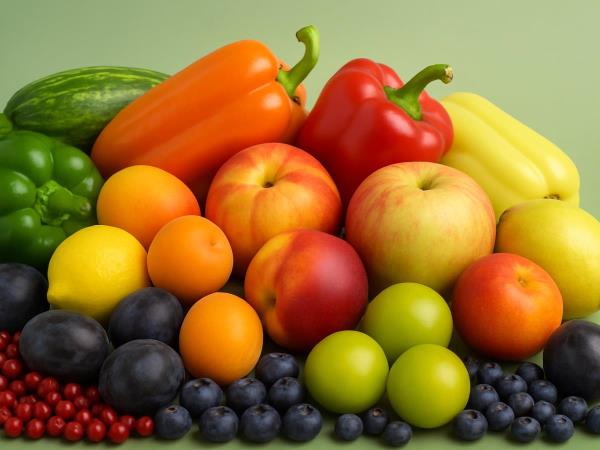
Flavonoids can already be recognized by their color. If a food has dark, strong and vivid colors (most commonly blue, orange and red), then it definitely has lots of flavonoids. Among the richest foods we find:
Information on this website is for educational purposes only and is not medical advice.
Today, we know more than 6000 types of flavonoids, which are most abundant in fruits and vegetables, and give foods their specific color, smell, and taste. Today, we know that flavonoids protect the organism from fungi and bacteria, while also being, due to their richness in antioxidants, crucial for the health of our organ cells.
The best-known flavonoids are quercetin, curcumin, and rutin; they act anti-inflammatory and protect the cardiovascular and nervous systems, while also being very important in cancer treatment.
Vitamin P can also be obtained by mixing citrus fruits, berries, turmeric, black pepper, ginger, oregano, and rosemary. All healthy things.
Vitamin P stimulates the absorption of vitamin C
Because vitamin C is water-soluble, it has difficulty crossing cell membranes and is thus hard to absorb in the body. However, this is made possible by the flavonoids in strawberries, Brussels sprouts, broccoli, papaya. More vitamin C means a better immune system, but only if this vitamin actually enters our body, which is not self-evident even if you ate an orange just a few minutes ago.
Vitamin P prevents cancer
Flavonoids have strong antioxidant properties, which mitigates and prevents cellular oxidative stress, which is largely responsible for the development of cancer cells. Similar flavonoids are found in apples, cherries, berries, and citrus fruits, but also in red onions, garlic, and broccoli. Among spices, oregano, basil, and thyme stand out. The greatest anti-cancer effect, confirmed by a whole range of studies (more than 3500), is achieved when vitamin P is mixed with green tea.
Vitamin P acts anti-inflammatory and slows aging
Flavonoids in vitamin P protect cells from oxidative damage and prevent the activity of free radicals. The anti-inflammatory and anti-aging processes work at the cellular level, which means fewer dead and more renewed cells (the best effects are against rheumatoid arthritis).
Vitamin P maintains cardiovascular health
Flavonoids also protect our heart and blood vessels. A well-known example is that lycopene from tomatoes prevents oxidative damage to LDL cholesterol molecules. The flavonoids rutin and hesperidin strengthen blood vessels and prevent the breakdown of collagen and elastin, so blood vessels and capillaries remain elastic and strong for longer. All these properties are also provided by a mixture of spices like oregano, rosemary, garlic, pepper, and ginger.
Vitamin P heals the nervous system
Free radicals in the body often damage neurons of the nervous system, which can cause brain damage and also impair our cognitive functions. Flavonoids in vitamin P speed up the regeneration of nerve cells, which, among other things, also reduces the risk for Alzheimer's disease.
Where do we find the most flavonoids?
Flavonoids can already be recognized by their color. If a food has dark, strong and vivid colors (most commonly blue, orange and red), then it definitely has lots of flavonoids. Among the richest foods we find:
- apples
- plums
- cherries
- grapes
- bananas and kiwis
- all types of citrus (lemons, oranges, grapefruits, limes)
- berries (blueberries, raspberries, blackberries, strawberries)
- onion and garlic
- parsley and celery
- tomato
- broccoli
- cabbage
- kale and spinach
- peppers and chili peppers
- asparagus
- almonds
- green and black tea
- turmeric
- rosemary and oregano
- cinnamon (not Chinese or American – this applies only to Sri Lankan cinnamon)
- raw cocoa (cocoa in white chocolate doesn't count)
Information on this website is for educational purposes only and is not medical advice.
Author:
Zvone Stor
expert, nutritionist
expert, nutritionist
 Would you like to be informed about news on the website?
Just enter your e-mail
Vitamin P benefits
Flavonoids and health
Anti-inflammatory properties of vitamin P
Cardiovascular health and flavonoids
Foods rich in flavonoids
Latest news





Four Ingredients Every Kitchen Already Has: The Morning Drink Healthy-Living Fans Swear By
Read more >>





After 40, the Pounds Don't Just Appear – Your Body Is Sending You a Message Most Women Misread
Read more >>

The Humble Bean That Takes On Cholesterol: Why Legumes Are Not Just Peasant Food but a Friend to Your Heart
Read more >>

When a Kids' Drink Beats Sports Drinks: What Science Really Says About Chocolate Milk After Training
Read more >>
Interaktive Widgets:
|

