


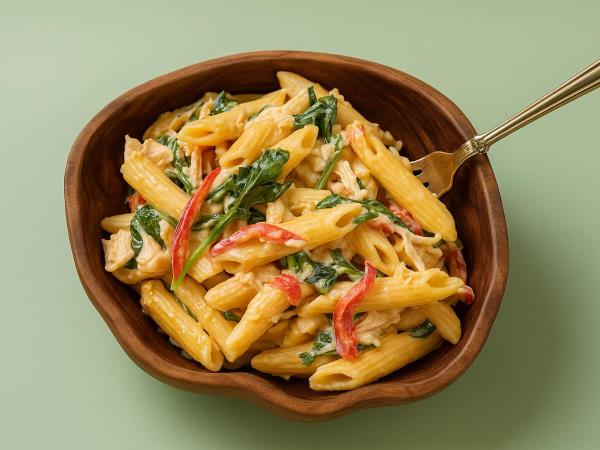


Date: 03/26/2026 - GOOD TO KNOW
Treat Yourself to a Pasta Meal
AUTHOR:
Zvone Stor
expert, nutritionist
expert, nutritionist
When we think of pasta, we probably imagine a quick meal that fills us up and gives us energy. But pasta is not just a convenient meal – it’s also a rich source of nutrients...
Pasta can also make an important contribution to our diet! If we eat one portion of pasta every day, in addition to carbohydrates we also consume important proteins, especially if we choose wholegrain pasta. This meal is ideal for those who want to keep a stable energy level throughout the day, while also supplying the body with essential nutrients.
Pasta – a Source of Lasting Energy
Wholegrain pasta is made from whole wheat grains, which means it contains more fiber, vitamins, and minerals than white pasta. Fiber plays a key role in digestion, as it helps regulate blood sugar levels and reduces the feeling of hunger. Research shows that a diet rich in fiber lowers the risk of type 2 diabetes and heart disease. According to the American Heart Association (AHA), adults should consume at least 25 to 30 grams of fiber per day, but the average intake often does not exceed 15 grams.
Pasta and Protein – a Perfect Combination
Although we often associate pasta with carbohydrates, it can also be an important source of protein, especially when combined with other foods. One portion of wholegrain pasta (about 100 g) contains around 7–8 grams of protein. If you have it together with dairy products such as cottage cheese or yogurt, or with protein-rich sauces (like bean or lentil sauces), you can easily reach the daily recommended protein intake.
Protein is essential for muscle repair, enzyme production, and the overall functioning of the body. According to the recommendations of the European Food Safety Authority (EFSA), an adult should eat about 0.8 grams of protein per kilogram of body weight per day. This means that a person weighing 70 kg needs at least 56 grams of protein a day – an amount you can easily reach with a combination of pasta and other protein-rich foods.
Pasta and Weight Loss – Yes or No?
Many people avoid pasta because they believe it causes weight gain. But numerous studies show this is not necessarily true. A study published in BMJ Open showed that people who regularly ate pasta as part of a balanced diet with a low glycemic index (GI) did not gain weight. The glycemic index is a measure of how quickly a certain food affects blood sugar levels. Wholegrain pasta has a lower GI than white pasta, which means it provides a more even release of energy and prevents sudden spikes of insulin.
Which Type of Pasta Should You Choose?
There are many types of pasta available on the market, so it’s important to choose those that best support our health:
Pasta can be an excellent part of a balanced diet if chosen thoughtfully and combined with other nutritious foods. Wholegrain and protein-rich pastas can contribute to lasting satiety, improved digestion, and stable energy levels. The key is to eat pasta in moderation and combine it with quality proteins and healthy fats. This way, pasta will become an important part of a healthy lifestyle – not only a delicious, but also a beneficial meal.
Information on this website is for educational purposes only and is not medical advice.
Pasta – a Source of Lasting Energy
Wholegrain pasta is made from whole wheat grains, which means it contains more fiber, vitamins, and minerals than white pasta. Fiber plays a key role in digestion, as it helps regulate blood sugar levels and reduces the feeling of hunger. Research shows that a diet rich in fiber lowers the risk of type 2 diabetes and heart disease. According to the American Heart Association (AHA), adults should consume at least 25 to 30 grams of fiber per day, but the average intake often does not exceed 15 grams.
Pasta and Protein – a Perfect Combination
Although we often associate pasta with carbohydrates, it can also be an important source of protein, especially when combined with other foods. One portion of wholegrain pasta (about 100 g) contains around 7–8 grams of protein. If you have it together with dairy products such as cottage cheese or yogurt, or with protein-rich sauces (like bean or lentil sauces), you can easily reach the daily recommended protein intake.
Protein is essential for muscle repair, enzyme production, and the overall functioning of the body. According to the recommendations of the European Food Safety Authority (EFSA), an adult should eat about 0.8 grams of protein per kilogram of body weight per day. This means that a person weighing 70 kg needs at least 56 grams of protein a day – an amount you can easily reach with a combination of pasta and other protein-rich foods.
Pasta and Weight Loss – Yes or No?
Many people avoid pasta because they believe it causes weight gain. But numerous studies show this is not necessarily true. A study published in BMJ Open showed that people who regularly ate pasta as part of a balanced diet with a low glycemic index (GI) did not gain weight. The glycemic index is a measure of how quickly a certain food affects blood sugar levels. Wholegrain pasta has a lower GI than white pasta, which means it provides a more even release of energy and prevents sudden spikes of insulin.
Which Type of Pasta Should You Choose?
There are many types of pasta available on the market, so it’s important to choose those that best support our health:
- Wholegrain pasta – contains more fiber and nutrients than white pasta and has a lower glycemic index.
- Legume pasta – made from lentils, chickpeas, or peas and contains more protein and fiber.
- Quinoa pasta – rich in essential amino acids and a great choice for people with gluten intolerance.
- Rice or corn pasta – a gluten-free alternative that is easier to digest.
Pasta can be an excellent part of a balanced diet if chosen thoughtfully and combined with other nutritious foods. Wholegrain and protein-rich pastas can contribute to lasting satiety, improved digestion, and stable energy levels. The key is to eat pasta in moderation and combine it with quality proteins and healthy fats. This way, pasta will become an important part of a healthy lifestyle – not only a delicious, but also a beneficial meal.
Information on this website is for educational purposes only and is not medical advice.
Author:
Zvone Stor
expert, nutritionist
expert, nutritionist
 Would you like to be informed about news on the website?
Just enter your e-mail
Wholegrain pasta
Protein-rich pasta
Pasta and weight loss
Healthy pasta choices
Balanced diet with pasta
Latest news



Four Ingredients Every Kitchen Already Has: The Morning Drink Healthy-Living Fans Swear By
Read more >>



After 40, the Pounds Don't Just Appear – Your Body Is Sending You a Message Most Women Misread
Read more >>
The Humble Bean That Takes On Cholesterol: Why Legumes Are Not Just Peasant Food but a Friend to Your Heart
Read more >>
When a Kids' Drink Beats Sports Drinks: What Science Really Says About Chocolate Milk After Training
Read more >>

Interaktive Widgets:
|

