




Date: 03/18/2026 - GOOD TO KNOW
Does meat increase the risk of many diseases?
AUTHOR:
Zvone Stor
expert, nutritionist
expert, nutritionist
Healthy people can eat meat in moderate amounts, but for those with kidney disease, a diet lower in protein is recommended.
Meat has long been a subject of debate among nutrition and health experts. While some American nephrologists (kidney specialists) believe that it is not necessary to completely eliminate meat from the diet, others warn that excessive meat consumption can affect health.
Meat and kidney disease
The kidneys are crucial for removing waste products from the body, but too much protein found in meat can cause additional stress on kidney function. Studies have shown that a high-protein diet can accelerate the progression of chronic kidney disease (CKD). A study from 2017, published in the American Journal of Kidney Diseases, showed that people with CKD who limited their protein intake to 0.6 - 0.8 g per kilogram of body weight slowed down the progression of the disease.
The link between meat and cancer
In 2023, the World Health Organization (WHO) warned about the possible connection between eating red meat and cancer. Processed meat, such as sausages, bacon, and hot dogs, in particular, contains chemicals that can increase the risk of colorectal cancer. WHO classified red meat as probably carcinogenic (group 2A), and processed meat as carcinogenic (group 1). This means there is strong evidence linking processed meat and cancer.
In a study published in The Lancet Oncology, scientists analyzed data from over 800 studies and found that daily consumption of 50 g of processed meat (about one sausage) increases the risk of colorectal cancer by 18%.
High temperatures and carcinogenic compounds
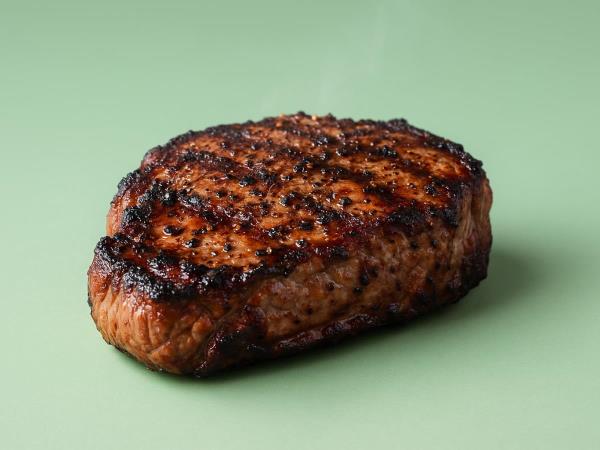
Meat cooked at high temperatures, such as grilling or frying, can contain carcinogens like heterocyclic amines (HCA) and polycyclic aromatic hydrocarbons (PAH). These substances form at high heat and can damage DNA, increasing the risk of cancer.
A study published in Cancer Epidemiology, Biomarkers & Prevention found that people who often consume heavily grilled meat increase their risk of kidney cancer by 20–30%. The American Institute for Cancer Research recommends cooking meat at lower temperatures or stewing it to reduce the formation of these harmful compounds.
Cholesterol, heart disease, and red meat
In addition to cancer risk, frequent consumption of red meat can also increase the risk of heart disease. Meat contains saturated fats and cholesterol, which are linked to higher LDL (bad) cholesterol levels and a greater risk of cardiovascular disease.
A Harvard University study analyzed data from 120,000 people and found that those who consumed more red meat lived shorter lives on average and had a 13% higher risk of premature death from heart disease or cancer.
Is meat really harmful?
It's not all black and white. Meat is an excellent source of protein, iron, zinc, and B vitamins. The problem arises if it is eaten in excessive amounts or if mainly processed meat is consumed.
Therefore, if you want to reduce your risk of disease, it is recommended to:
A healthy and balanced diet is the key to a long and healthy life. Although it is not necessary to completely give up meat, it is important to consume it thoughtfully and in moderation.
Information on this website is for educational purposes only and is not medical advice.
Meat and kidney disease
The kidneys are crucial for removing waste products from the body, but too much protein found in meat can cause additional stress on kidney function. Studies have shown that a high-protein diet can accelerate the progression of chronic kidney disease (CKD). A study from 2017, published in the American Journal of Kidney Diseases, showed that people with CKD who limited their protein intake to 0.6 - 0.8 g per kilogram of body weight slowed down the progression of the disease.
The link between meat and cancer
In 2023, the World Health Organization (WHO) warned about the possible connection between eating red meat and cancer. Processed meat, such as sausages, bacon, and hot dogs, in particular, contains chemicals that can increase the risk of colorectal cancer. WHO classified red meat as probably carcinogenic (group 2A), and processed meat as carcinogenic (group 1). This means there is strong evidence linking processed meat and cancer.
In a study published in The Lancet Oncology, scientists analyzed data from over 800 studies and found that daily consumption of 50 g of processed meat (about one sausage) increases the risk of colorectal cancer by 18%.
High temperatures and carcinogenic compounds
Meat cooked at high temperatures, such as grilling or frying, can contain carcinogens like heterocyclic amines (HCA) and polycyclic aromatic hydrocarbons (PAH). These substances form at high heat and can damage DNA, increasing the risk of cancer.
A study published in Cancer Epidemiology, Biomarkers & Prevention found that people who often consume heavily grilled meat increase their risk of kidney cancer by 20–30%. The American Institute for Cancer Research recommends cooking meat at lower temperatures or stewing it to reduce the formation of these harmful compounds.
Cholesterol, heart disease, and red meat
In addition to cancer risk, frequent consumption of red meat can also increase the risk of heart disease. Meat contains saturated fats and cholesterol, which are linked to higher LDL (bad) cholesterol levels and a greater risk of cardiovascular disease.
A Harvard University study analyzed data from 120,000 people and found that those who consumed more red meat lived shorter lives on average and had a 13% higher risk of premature death from heart disease or cancer.
Is meat really harmful?
It's not all black and white. Meat is an excellent source of protein, iron, zinc, and B vitamins. The problem arises if it is eaten in excessive amounts or if mainly processed meat is consumed.
Therefore, if you want to reduce your risk of disease, it is recommended to:
- Limit the intake of processed meat,
- Instead of frying or grilling, choose boiling or stewing,
- Increase the intake of plant proteins (legumes, nuts, tofu),
- Eat fish and white meat, which have less saturated fat.
A healthy and balanced diet is the key to a long and healthy life. Although it is not necessary to completely give up meat, it is important to consume it thoughtfully and in moderation.
Information on this website is for educational purposes only and is not medical advice.

Author:
Zvone Stor
expert, nutritionist
expert, nutritionist
 Would you like to be informed about news on the website?
Just enter your e-mail
Meat and kidney disease
Meat and cancer risk
High temperatures and carcinogenic compounds in meat
Cholesterol and heart disease risks from red meat
Plant protein sources and reducing meat consumption
Latest news

Why Do You Always Wake Up at the Same Time? Your Body Might Be Trying to Tell You Something
Read more >>


French Fries and Your Brain: What an 11-Year Study of 140,000 People Found About Fried Food and Mood
Read more >>

Selenium: The Tiny Mineral Your Body Can't Live Without — And Can Absolutely Have Too Much Of
Read more >>

A Spoonful of Coconut Oil on an Empty Stomach: The Quiet Morning Habit So Many People Swear By
Read more >>


Anemia on Your Plate: The Everyday Foods Quietly Helping — Or Sabotaging — Your Iron Levels
Read more >>

Why the Humble Egg Might Just Be Your Diet's Secret Weapon: 5 Reasons Nutritionists Keep Coming Back To
Read more >>


Yogurt, Banana or Citrus for Breakfast? Why Some "Healthy" Foods Can Backfire on an Empty Stomach
Read more >>



Why the Scale Won't Budge, Even On a Diet: The Overlooked Mineral Almost Nobody Talks About
Read more >>


Interaktive Widgets:
|

