




Date: 03/15/2026 - GOOD TO KNOW
Heme and Non-Heme Iron – What’s the Difference?
AUTHOR:
Zvone Stor
expert, nutritionist
expert, nutritionist
There are two types of iron: heme and non-heme, and the difference between them is significant. The body absorbs heme iron 40% better than non-heme iron.
For the normal functioning of the body, it’s really important to get enough iron through your diet. This mineral plays a key role in transporting oxygen throughout the body and in energy production. If you don’t get enough, you quickly start to feel tired, lacking in energy, and weak. The recommended daily intake of iron depends on age and gender: adult men need about 10 mg, women need 18 mg, and pregnant women even up to 30 mg per day.
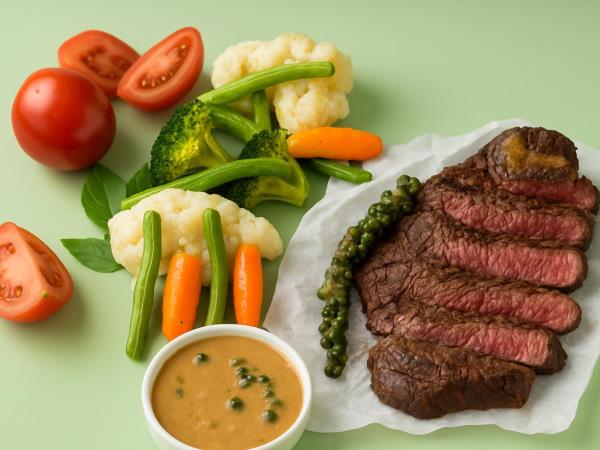
The iron found in food exists in two forms: heme and non-heme iron. Heme iron comes from animal-based foods such as beef, veal, pork, chicken, turkey, salmon, tuna, and seafood. The body absorbs this form of iron very well – up to 40%. This means that a greater part of this iron actually enters the bloodstream, where it performs its functions.
On the other hand, there is non-heme iron, which is found in plant-based foods such as legumes, spinach, nuts, seeds, and whole grains. Although this form of iron is more common and makes up 85–90% of total daily iron intake, its absorption is much poorer, only somewhere between 2% and 20%. Therefore, people who do not eat meat can develop iron deficiency more quickly.
Research shows that vegetarians and vegans are at a higher risk of iron deficiency precisely because non-heme iron is absorbed less effectively. Their daily iron intake should therefore be as much as 80% higher than for people who also consume heme iron. The good news is that you can improve the absorption of non-heme iron by consuming vitamin C. For example, if you eat an orange or tomato with your spinach, your body will get much more iron from the spinach.
For better understanding, it’s also good to know how important the balance between iron and other substances is. Coffee and tea, for example, reduce iron absorption, so you shouldn’t drink them right after an iron-rich meal. On the other hand, foods rich in vitamin A (such as carrots) and beta-carotene (found in red, orange, and green vegetables) help the body use iron from plant sources more easily.
Studies have shown that having enough iron in your diet is crucial for preventing anemia – a condition where there aren’t enough red blood cells in the body to carry oxygen. Symptoms of iron deficiency include chronic fatigue, pale skin, shortness of breath, and dizziness.
For those who do not eat meat, it’s important to include as many plant-based sources of iron in your diet as possible and combine them with foods rich in vitamin C. Good choices are lentils, chickpeas, pumpkin seeds, kale, and quinoa. If you develop signs of iron deficiency, it is advisable to get a blood test and, if necessary, to take dietary supplements – but always under medical supervision.
So, whether you eat meat or are a vegetarian or vegan, it’s important to ensure that your body gets enough iron. The right combination of foods and understanding how to boost absorption can help you maintain your health and energy all year long.
Information on this website is for educational purposes only and is not medical advice.
The iron found in food exists in two forms: heme and non-heme iron. Heme iron comes from animal-based foods such as beef, veal, pork, chicken, turkey, salmon, tuna, and seafood. The body absorbs this form of iron very well – up to 40%. This means that a greater part of this iron actually enters the bloodstream, where it performs its functions.
On the other hand, there is non-heme iron, which is found in plant-based foods such as legumes, spinach, nuts, seeds, and whole grains. Although this form of iron is more common and makes up 85–90% of total daily iron intake, its absorption is much poorer, only somewhere between 2% and 20%. Therefore, people who do not eat meat can develop iron deficiency more quickly.
Research shows that vegetarians and vegans are at a higher risk of iron deficiency precisely because non-heme iron is absorbed less effectively. Their daily iron intake should therefore be as much as 80% higher than for people who also consume heme iron. The good news is that you can improve the absorption of non-heme iron by consuming vitamin C. For example, if you eat an orange or tomato with your spinach, your body will get much more iron from the spinach.
For better understanding, it’s also good to know how important the balance between iron and other substances is. Coffee and tea, for example, reduce iron absorption, so you shouldn’t drink them right after an iron-rich meal. On the other hand, foods rich in vitamin A (such as carrots) and beta-carotene (found in red, orange, and green vegetables) help the body use iron from plant sources more easily.
Studies have shown that having enough iron in your diet is crucial for preventing anemia – a condition where there aren’t enough red blood cells in the body to carry oxygen. Symptoms of iron deficiency include chronic fatigue, pale skin, shortness of breath, and dizziness.
For those who do not eat meat, it’s important to include as many plant-based sources of iron in your diet as possible and combine them with foods rich in vitamin C. Good choices are lentils, chickpeas, pumpkin seeds, kale, and quinoa. If you develop signs of iron deficiency, it is advisable to get a blood test and, if necessary, to take dietary supplements – but always under medical supervision.
So, whether you eat meat or are a vegetarian or vegan, it’s important to ensure that your body gets enough iron. The right combination of foods and understanding how to boost absorption can help you maintain your health and energy all year long.
Information on this website is for educational purposes only and is not medical advice.
Author:
Zvone Stor
expert, nutritionist
expert, nutritionist
 Would you like to be informed about news on the website?
Just enter your e-mail
Heme vs Non-Heme Iron
Iron Absorption
Iron-rich Foods
Iron Deficiency Symptoms
Plant-based Iron Sources
Latest news

Why Do You Always Wake Up at the Same Time? Your Body Might Be Trying to Tell You Something
Read more >>

French Fries and Your Brain: What an 11-Year Study of 140,000 People Found About Fried Food and Mood
Read more >>
Selenium: The Tiny Mineral Your Body Can't Live Without — And Can Absolutely Have Too Much Of
Read more >>
A Spoonful of Coconut Oil on an Empty Stomach: The Quiet Morning Habit So Many People Swear By
Read more >>
Anemia on Your Plate: The Everyday Foods Quietly Helping — Or Sabotaging — Your Iron Levels
Read more >>

Why the Humble Egg Might Just Be Your Diet's Secret Weapon: 5 Reasons Nutritionists Keep Coming Back To
Read more >>

Yogurt, Banana or Citrus for Breakfast? Why Some "Healthy" Foods Can Backfire on an Empty Stomach
Read more >>



Why the Scale Won't Budge, Even On a Diet: The Overlooked Mineral Almost Nobody Talks About
Read more >>


Interaktive Widgets:
|

