




Date: 03/11/2026 - GOOD TO KNOW
Why Is Overeating a Problem
AUTHOR:
Zvone Stor
expert, nutritionist
expert, nutritionist
You might not believe it, but the problem of the healthiest food is also the problem of overeating. Healthy food, after all, has no dietary restrictions.
Recent research on overeating has revealed an unusual trend: respondents had to record what they ate and what they thought was the cause every time they felt they had overeaten. When nutrition experts reviewed their notes, they were shocked.
95% of overeating stemmed from emotional overeating, and 90% of overeating was vegetable-based.
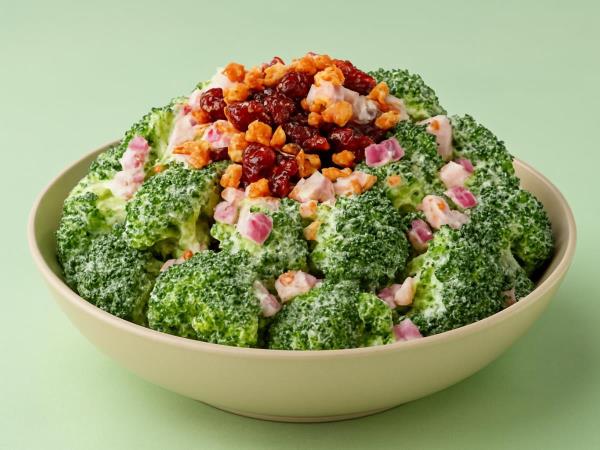
The problem with overeating vegetables is that we eat enormous quantities of vegetables (led by broccoli and cauliflower), which in normal amounts don’t burden the body; but if we overdo it, the stomach fills up, and the body can’t digest such a quantity. In such cases, we call it overeating, and our body has no answer for how to react.
Such research is conducted continuously every 10 years, but the results in this millennium alone (the last 20 years) have changed significantly. The issue with vegetables is that they supposedly have no dietary restrictions, but this isn’t true. Sure, we don’t eat a bowl of broccoli every day, yet such cases have increased by 34% in the last decade compared to the previous study. Everything points to us living in a time of emotional crises. The numbers have jumped so much that we can’t ignore them.
And now the key question: are there foods that prevent overeating?
The answer is: NO.
Psychologists suggest including such food as often as possible in your daily diet. When you are not emotionally burdened, you can control your intake much more easily.
Information on this website is for educational purposes only and is not medical advice.
95% of overeating stemmed from emotional overeating, and 90% of overeating was vegetable-based.
The problem with overeating vegetables is that we eat enormous quantities of vegetables (led by broccoli and cauliflower), which in normal amounts don’t burden the body; but if we overdo it, the stomach fills up, and the body can’t digest such a quantity. In such cases, we call it overeating, and our body has no answer for how to react.
Such research is conducted continuously every 10 years, but the results in this millennium alone (the last 20 years) have changed significantly. The issue with vegetables is that they supposedly have no dietary restrictions, but this isn’t true. Sure, we don’t eat a bowl of broccoli every day, yet such cases have increased by 34% in the last decade compared to the previous study. Everything points to us living in a time of emotional crises. The numbers have jumped so much that we can’t ignore them.
And now the key question: are there foods that prevent overeating?
The answer is: NO.
Psychologists suggest including such food as often as possible in your daily diet. When you are not emotionally burdened, you can control your intake much more easily.
Information on this website is for educational purposes only and is not medical advice.
Author:
Zvone Stor
expert, nutritionist
expert, nutritionist
 Would you like to be informed about news on the website?
Just enter your e-mail
Overeating vegetables
Emotional overeating
Healthy food problems
Dietary restrictions
Prevent overeating
Latest news

Why Do You Always Wake Up at the Same Time? Your Body Might Be Trying to Tell You Something
Read more >>

French Fries and Your Brain: What an 11-Year Study of 140,000 People Found About Fried Food and Mood
Read more >>
Selenium: The Tiny Mineral Your Body Can't Live Without — And Can Absolutely Have Too Much Of
Read more >>
A Spoonful of Coconut Oil on an Empty Stomach: The Quiet Morning Habit So Many People Swear By
Read more >>


Anemia on Your Plate: The Everyday Foods Quietly Helping — Or Sabotaging — Your Iron Levels
Read more >>

Why the Humble Egg Might Just Be Your Diet's Secret Weapon: 5 Reasons Nutritionists Keep Coming Back To
Read more >>

Yogurt, Banana or Citrus for Breakfast? Why Some "Healthy" Foods Can Backfire on an Empty Stomach
Read more >>



Why the Scale Won't Budge, Even On a Diet: The Overlooked Mineral Almost Nobody Talks About
Read more >>


Interaktive Widgets:
|

