




Date: 02/13/2026 - GOOD TO KNOW
Natural remedies against anemia
AUTHOR:
Zvone Stor
expert, nutritionist
expert, nutritionist
Although today we eat a much more varied diet than in the past, cases of anemia are increasingly common. Today’s food is bland and empty.
Research shows that fruits and vegetables lose on average 1% of their nutrients every year. This means that today’s food is up to half as nutritious as food from half a century ago. We must eat more to get the same amount of nutrients as before - and we know where that leads.
Long-term anemia can cause serious consequences, even irreversible damage to some organs. That’s why it’s very important to respond quickly and responsibly, and in addition, it’s a lifelong process. Fighting anemia means you’ll have to pay attention to what you eat for your entire life. It’s not enough to just eat a varied diet, which is an absolute prerequisite; you also need to eat foods rich in iron, and even more important are foods that help the body absorb iron. Eating a lot of spinach doesn’t help if you’re also eating a lot of gluten, which blocks the intestinal villi so the body can't access the nutrients.
Anemia is much more common in women, especially during pregnancy. In men, anemia often appears in connection with much more serious causes, such as internal bleeding, ulcers, hernia, hemorrhoids, gastrointestinal tumors. For both sexes, anemia or poor iron absorption also occurs with celiac disease and Crohn’s disease. Anemia is also a consequence of disturbances in red blood cells ...
How to recognize anemia?
This is a disease that does not have clear symptoms; the most reliable way is regular blood tests. Otherwise, anemia is accompanied by dizziness, rapid and irregular heartbeat, quick fatigue, pale face, brittle nails, hair loss, loss of appetite, headaches, nosebleeds and bleeding from the gums ...
To avoid problems with anemia, follow these tips:
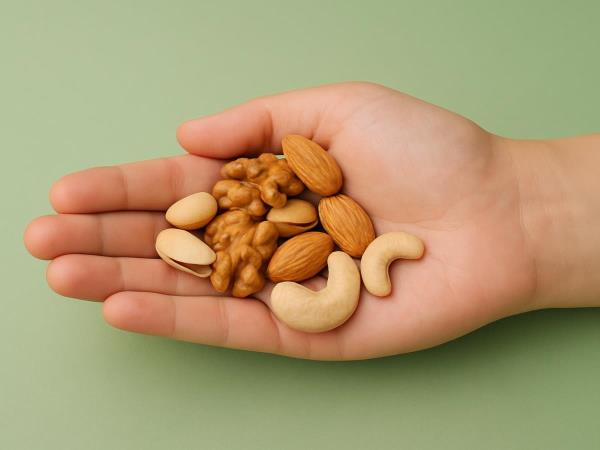
Most iron is found in legumes (beans, peas, lentils, soy) and nuts (walnuts, almonds, hazelnuts). There is also a lot in potatoes and whole grains (whole grain bread, pumpkin seeds), as well as in cocoa, eggs, meat, and fish.
In order for the body to actually absorb as much iron as possible, it is advisable to eat lots of garlic, nettle, honey, dandelion, beets, drink rosehip tea and wormwood tea, and it is especially recommended to eat a handful of walnuts every day.
Information on this website is for educational purposes only and is not medical advice.
Long-term anemia can cause serious consequences, even irreversible damage to some organs. That’s why it’s very important to respond quickly and responsibly, and in addition, it’s a lifelong process. Fighting anemia means you’ll have to pay attention to what you eat for your entire life. It’s not enough to just eat a varied diet, which is an absolute prerequisite; you also need to eat foods rich in iron, and even more important are foods that help the body absorb iron. Eating a lot of spinach doesn’t help if you’re also eating a lot of gluten, which blocks the intestinal villi so the body can't access the nutrients.
Anemia is much more common in women, especially during pregnancy. In men, anemia often appears in connection with much more serious causes, such as internal bleeding, ulcers, hernia, hemorrhoids, gastrointestinal tumors. For both sexes, anemia or poor iron absorption also occurs with celiac disease and Crohn’s disease. Anemia is also a consequence of disturbances in red blood cells ...
How to recognize anemia?
This is a disease that does not have clear symptoms; the most reliable way is regular blood tests. Otherwise, anemia is accompanied by dizziness, rapid and irregular heartbeat, quick fatigue, pale face, brittle nails, hair loss, loss of appetite, headaches, nosebleeds and bleeding from the gums ...
To avoid problems with anemia, follow these tips:
- eat at least two handfuls of raw vegetables or fruits rich in vitamin C every day - vitamin C improves the absorption of iron
- even just a glass of freshly squeezed juice from fruit and green vegetables is enough to avoid anemia
- Every day consume at least 2 dcl of milk or dairy products rich in calcium; but it’s important not to mix, for example, yogurt with other foods (especially meat) because you will get the opposite effect
- avoid caffeinated drinks (coffee, tea, especially green tea) - if you can’t go without caffeine, then wait at least half an hour after a meal ...
- it may sound unbelievable, but food prepared in cast iron cookware is better (this does not apply to cookware older than 4 years)
- smoking is also among the causes of anemia
Most iron is found in legumes (beans, peas, lentils, soy) and nuts (walnuts, almonds, hazelnuts). There is also a lot in potatoes and whole grains (whole grain bread, pumpkin seeds), as well as in cocoa, eggs, meat, and fish.
In order for the body to actually absorb as much iron as possible, it is advisable to eat lots of garlic, nettle, honey, dandelion, beets, drink rosehip tea and wormwood tea, and it is especially recommended to eat a handful of walnuts every day.
Information on this website is for educational purposes only and is not medical advice.
Author:
Zvone Stor
expert, nutritionist
expert, nutritionist
 Would you like to be informed about news on the website?
Just enter your e-mail
Natural remedies for anemia
Tips for fighting anemia
Symptoms of anemia
Iron-rich foods
Preventing anemia with diet
Latest news





Four Ingredients Every Kitchen Already Has: The Morning Drink Healthy-Living Fans Swear By
Read more >>







After 40, the Pounds Don't Just Appear – Your Body Is Sending You a Message Most Women Misread
Read more >>

The Humble Bean That Takes On Cholesterol: Why Legumes Are Not Just Peasant Food but a Friend to Your Heart
Read more >>

When a Kids' Drink Beats Sports Drinks: What Science Really Says About Chocolate Milk After Training
Read more >>

Interaktive Widgets:
|

