




Date: 01/25/2026 - GOOD TO KNOW
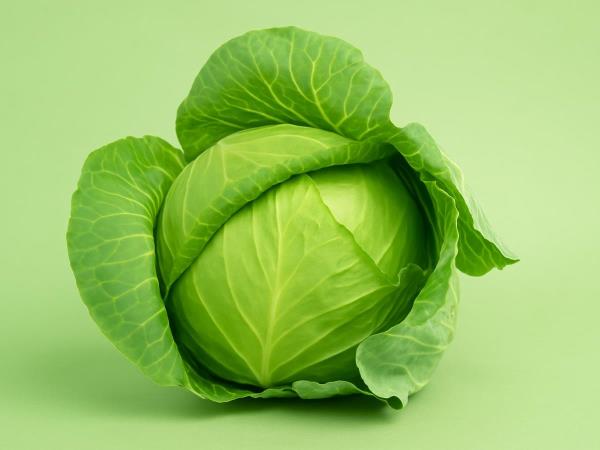
Who is better at relieving coughs: sage or cabbage?
AUTHOR:
Zvone Stor
expert, nutritionist
expert, nutritionist
Did you know that every winter we go through 12 colds while still on our feet, without even knowing, because we don’t end up in bed? It’s usually the cough that reminds us.
Cough is the biggest nuisance in the winter months and also a sign that something is not right with our body. The flu doesn't have to put us in bed; much more dangerous are the one-day colds we get over while still active and without proper treatment. Just one cough and a slight tickle in the throat should be an alarm signal to do something for yourself and your health.
What to choose?
Folk healers often recommend sage for coughs. Those sage leaves from Dalmatia, toughened by the bora wind and polished by sea salt, are especially hardy and therefore particularly useful.
But this time we’re adding a cabbage tip to the collection of home remedies. Cabbage, after all, is rich in pantothenic and nicotinic acids, a lot of carotene, tocopherol, inositol, calcium, sodium, iron, magnesium, sulfur, zinc, copper, vitamins K, P, B1, and B2... Cabbage is a versatile food, which is quite common on our plates in winter, but usually cooked, at which point it loses more than half its nutritional value.
If you want to truly take advantage of the miraculous power of cabbage, use fresh, as green as possible leaves. Finely chop the cabbage (you can use a juicer), and mix it in a 1:1 ratio with honey, maple, or agave syrup. If you’re preparing this remedy for a child, you can also use sugar. Eat one teaspoon of this mixture every 6 hours, and you’ll soon notice the difference. Fresh cabbage opens up the airways, and its vitamins strengthen the immune system.
And now the key question: which is healthier – sage or cabbage?
The answer lies in dry nutritional data.
If we compare 2 grams of sage (as much as you need for a cup) and 100 grams of cabbage, both provide 2% of the daily required dose of vitamin A. They’re also tied at 3% for iron. Cabbage provides 4%, sage 3% calcium. Cabbage has 8%, sage just 1% vitamin C. Cabbage contains 2% protein, sage none. Cabbage also has more magnesium, manganese, and a lot of selenium...
Sage wins in only two areas. It has no calories (cabbage has 218), and no carbs (cabbage has 49 grams).
If you’re trying to lose weight, you’ll choose sage; if a strong immune system is important to you (as is common when recovering from illness), then opt for cabbage.
Information on this website is for educational purposes only and is not medical advice.
What to choose?
Folk healers often recommend sage for coughs. Those sage leaves from Dalmatia, toughened by the bora wind and polished by sea salt, are especially hardy and therefore particularly useful.
But this time we’re adding a cabbage tip to the collection of home remedies. Cabbage, after all, is rich in pantothenic and nicotinic acids, a lot of carotene, tocopherol, inositol, calcium, sodium, iron, magnesium, sulfur, zinc, copper, vitamins K, P, B1, and B2... Cabbage is a versatile food, which is quite common on our plates in winter, but usually cooked, at which point it loses more than half its nutritional value.
If you want to truly take advantage of the miraculous power of cabbage, use fresh, as green as possible leaves. Finely chop the cabbage (you can use a juicer), and mix it in a 1:1 ratio with honey, maple, or agave syrup. If you’re preparing this remedy for a child, you can also use sugar. Eat one teaspoon of this mixture every 6 hours, and you’ll soon notice the difference. Fresh cabbage opens up the airways, and its vitamins strengthen the immune system.
And now the key question: which is healthier – sage or cabbage?
The answer lies in dry nutritional data.
If we compare 2 grams of sage (as much as you need for a cup) and 100 grams of cabbage, both provide 2% of the daily required dose of vitamin A. They’re also tied at 3% for iron. Cabbage provides 4%, sage 3% calcium. Cabbage has 8%, sage just 1% vitamin C. Cabbage contains 2% protein, sage none. Cabbage also has more magnesium, manganese, and a lot of selenium...
Sage wins in only two areas. It has no calories (cabbage has 218), and no carbs (cabbage has 49 grams).
If you’re trying to lose weight, you’ll choose sage; if a strong immune system is important to you (as is common when recovering from illness), then opt for cabbage.
Information on this website is for educational purposes only and is not medical advice.
Author:
Zvone Stor
expert, nutritionist
expert, nutritionist
 Would you like to be informed about news on the website?
Just enter your e-mail
Sage vs. cabbage for cough relief
Winter cold remedies
Cabbage health benefits
Sage nutritional comparison
Immune system boosters sage and cabbage
Latest news

Why Do You Always Wake Up at the Same Time? Your Body Might Be Trying to Tell You Something
Read more >>


French Fries and Your Brain: What an 11-Year Study of 140,000 People Found About Fried Food and Mood
Read more >>

Selenium: The Tiny Mineral Your Body Can't Live Without — And Can Absolutely Have Too Much Of
Read more >>
A Spoonful of Coconut Oil on an Empty Stomach: The Quiet Morning Habit So Many People Swear By
Read more >>

Anemia on Your Plate: The Everyday Foods Quietly Helping — Or Sabotaging — Your Iron Levels
Read more >>

Why the Humble Egg Might Just Be Your Diet's Secret Weapon: 5 Reasons Nutritionists Keep Coming Back To
Read more >>

Yogurt, Banana or Citrus for Breakfast? Why Some "Healthy" Foods Can Backfire on an Empty Stomach
Read more >>



Why the Scale Won't Budge, Even On a Diet: The Overlooked Mineral Almost Nobody Talks About
Read more >>


Interaktive Widgets:
|

