




Date: 01/19/2026 - GOOD TO KNOW
Food that protects us from lung inflammation
AUTHOR:
Zvone Stor
expert, nutritionist
expert, nutritionist
Asthma, pneumonia, and a whole range of other breathing problems can be healed or, more importantly, prevented with the right choice of food. Pay special attention to vitamin E.
Analyses have shown that all patients who have any kind of lung problems have a deficiency of vitamin E. A group of American experts wanted to investigate this and conducted an experiment with mice. They divided them into three groups. The first group was given food lacking in vitamin E. The second group received the optimal dose of vitamin E. The third group was overdosed—every day they consumed 2 times more vitamin E than the optimal amount. It is also important to add that they started the vitamin diet 14 days before infection with viral pneumonia.
The results of the experiment were surprising. Although none of the groups avoided infection, the third, overdosed group was completely healthy after two days. The second group, with the optimal dose, was sick with pneumonia for almost a week, and the worst off were those rats with a deficiency of vitamin E.
Does a deficiency of vitamin E also cause more complications with lung diseases in humans?
Yes.
A particularly at-risk group are those over 65 years old, because at this age the body no longer produces as many neutrophils, which are important in defense against lung diseases. Of course, you can help yourself with vitamin capsules, but the best way remains the natural one.
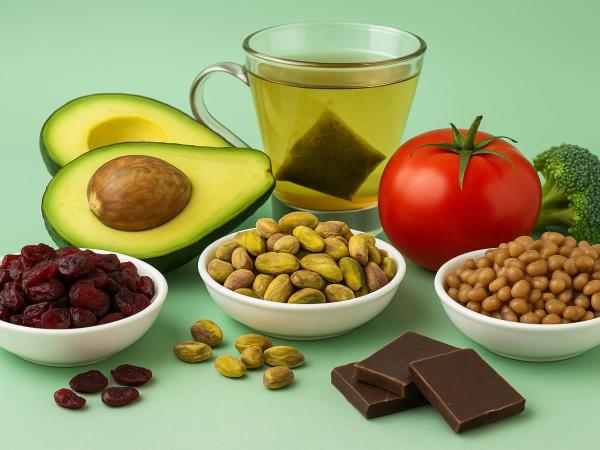
By far the most vitamin E can be found in vegetable oils, and there is also a lot in green vegetables, fish, avocados, olive oil, and in sunflower seeds, walnuts, and almonds. Data show that in the case of lung problems, you should consume at least 200% of the daily recommended amount.
If we play with the math and compare nutritional data, in the case of avocado, which contains 31% of the daily intake of vitamin E in 100 grams, you would need to eat a good half a kilogram of this fruit every day. Wheat germ oil contains 1242% of the daily intake in 100 grams, so just 3 tablespoons would suffice. It would also be enough if you dressed your salad a bit more generously with sunflower oil (100 grams contains 342% of the daily intake). Olive oil contains 117% of vitamin E in 100 grams, so you would have to drink 1.5 deciliters daily... Luckily, vitamin E is found in practically all foods, and the best recipe for good health is a varied diet.
And one more thing... Vitamin E is fat-soluble, so a meal without fat but rich in vitamins will not benefit you much. Note that the average absorption rate of vitamin E into the body is only 30%, which is a lot, but still, two thirds do not reach the expected effect.
In addition, vitamin E is very sensitive to oxygen and light, but it withstands temperatures up to 200 degrees Celsius. However, frozen foods contain significantly less of it (about 10% less for each degree below 6 degrees Celsius).
Information on this website is for educational purposes only and is not medical advice.
The results of the experiment were surprising. Although none of the groups avoided infection, the third, overdosed group was completely healthy after two days. The second group, with the optimal dose, was sick with pneumonia for almost a week, and the worst off were those rats with a deficiency of vitamin E.
Does a deficiency of vitamin E also cause more complications with lung diseases in humans?
Yes.
A particularly at-risk group are those over 65 years old, because at this age the body no longer produces as many neutrophils, which are important in defense against lung diseases. Of course, you can help yourself with vitamin capsules, but the best way remains the natural one.
By far the most vitamin E can be found in vegetable oils, and there is also a lot in green vegetables, fish, avocados, olive oil, and in sunflower seeds, walnuts, and almonds. Data show that in the case of lung problems, you should consume at least 200% of the daily recommended amount.
If we play with the math and compare nutritional data, in the case of avocado, which contains 31% of the daily intake of vitamin E in 100 grams, you would need to eat a good half a kilogram of this fruit every day. Wheat germ oil contains 1242% of the daily intake in 100 grams, so just 3 tablespoons would suffice. It would also be enough if you dressed your salad a bit more generously with sunflower oil (100 grams contains 342% of the daily intake). Olive oil contains 117% of vitamin E in 100 grams, so you would have to drink 1.5 deciliters daily... Luckily, vitamin E is found in practically all foods, and the best recipe for good health is a varied diet.
And one more thing... Vitamin E is fat-soluble, so a meal without fat but rich in vitamins will not benefit you much. Note that the average absorption rate of vitamin E into the body is only 30%, which is a lot, but still, two thirds do not reach the expected effect.
In addition, vitamin E is very sensitive to oxygen and light, but it withstands temperatures up to 200 degrees Celsius. However, frozen foods contain significantly less of it (about 10% less for each degree below 6 degrees Celsius).
Information on this website is for educational purposes only and is not medical advice.
Author:
Zvone Stor
expert, nutritionist
expert, nutritionist
 Would you like to be informed about news on the website?
Just enter your e-mail
Lung inflammation prevention
Vitamin E deficiency
Food for lung health
Natural remedies for lung diseases
Vitamin E benefits
Latest news

Why Do You Always Wake Up at the Same Time? Your Body Might Be Trying to Tell You Something
Read more >>


French Fries and Your Brain: What an 11-Year Study of 140,000 People Found About Fried Food and Mood
Read more >>

Selenium: The Tiny Mineral Your Body Can't Live Without — And Can Absolutely Have Too Much Of
Read more >>
A Spoonful of Coconut Oil on an Empty Stomach: The Quiet Morning Habit So Many People Swear By
Read more >>


Anemia on Your Plate: The Everyday Foods Quietly Helping — Or Sabotaging — Your Iron Levels
Read more >>

Why the Humble Egg Might Just Be Your Diet's Secret Weapon: 5 Reasons Nutritionists Keep Coming Back To
Read more >>


Yogurt, Banana or Citrus for Breakfast? Why Some "Healthy" Foods Can Backfire on an Empty Stomach
Read more >>



Why the Scale Won't Budge, Even On a Diet: The Overlooked Mineral Almost Nobody Talks About
Read more >>


Interaktive Widgets:
|

