




Date: 01/18/2026 - GOOD TO KNOW
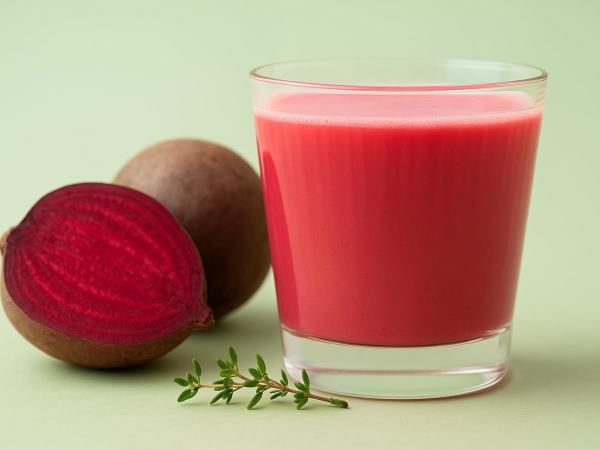
In the middle of winter, there is always time for beetroot juice
AUTHOR:
Zvone Stor
expert, nutritionist
expert, nutritionist
Beetroot juice detoxifies the body very effectively, cleanses the liver, and treats a variety of illnesses, but there are a few things you should know...
Beetroot is full of medicinal and nutritious components, and if stored properly, it can survive in a cellar for 5 to 6 months. This is one of the biggest sources of health in the winter months, but be careful.
Beetroot juice cleanses the body and reduces fever. Beetroot juice lowers blood pressure up to the recommended amount, but above that, it raises it. For some, 2 dcl per day is enough (about half a small beetroot), for others 5 dcl. It is also good to know that pasteurized juice (bought or prepared for the winter) does not contain living substances, so it is less nutritious.
By the way, beetroot was already used by ancient Romans to treat fevers and constipation. Beetroot is good for the blood because of vitamin B9, iron, potassium, and folic acid. In addition, beetroot belongs among low-calorie foods and is good for weight loss diets.
A lack of folic acid (also known as vitamin B9) causes fatigue, poor memory, psychological tension, eczema, cracked lips, pale skin... It is also needed for cellular metabolism, it affects proper protein breakdown...
Beetroot regenerates the intestinal mucous membrane. The juice strengthens the immune system and stimulates the lymphatic system.
Beetroot juice can be combined with spinach and carrots, or you can prepare baked beetroot by cutting it into cubes, adding spices (thyme works especially well), wrapping everything in aluminum foil, and baking for 45 minutes at 180 degrees Celsius.
And there is one more detail we must not forget. Beetroot has the highest carbohydrate and sugar content of all vegetables. This is why a variety called sugar beet was developed from it, which is used today to produce sugar.
Information on this website is for educational purposes only and is not medical advice.
Beetroot juice cleanses the body and reduces fever. Beetroot juice lowers blood pressure up to the recommended amount, but above that, it raises it. For some, 2 dcl per day is enough (about half a small beetroot), for others 5 dcl. It is also good to know that pasteurized juice (bought or prepared for the winter) does not contain living substances, so it is less nutritious.
By the way, beetroot was already used by ancient Romans to treat fevers and constipation. Beetroot is good for the blood because of vitamin B9, iron, potassium, and folic acid. In addition, beetroot belongs among low-calorie foods and is good for weight loss diets.
A lack of folic acid (also known as vitamin B9) causes fatigue, poor memory, psychological tension, eczema, cracked lips, pale skin... It is also needed for cellular metabolism, it affects proper protein breakdown...
Beetroot regenerates the intestinal mucous membrane. The juice strengthens the immune system and stimulates the lymphatic system.
Beetroot juice can be combined with spinach and carrots, or you can prepare baked beetroot by cutting it into cubes, adding spices (thyme works especially well), wrapping everything in aluminum foil, and baking for 45 minutes at 180 degrees Celsius.
And there is one more detail we must not forget. Beetroot has the highest carbohydrate and sugar content of all vegetables. This is why a variety called sugar beet was developed from it, which is used today to produce sugar.
Information on this website is for educational purposes only and is not medical advice.
Author:
Zvone Stor
expert, nutritionist
expert, nutritionist
 Would you like to be informed about news on the website?
Just enter your e-mail
Beetroot juice detox
Health benefits of beetroot
Beetroot juice for weight loss
Beetroot nutrition facts
Beetroot juice recipes
Latest news

Why Do You Always Wake Up at the Same Time? Your Body Might Be Trying to Tell You Something
Read more >>


French Fries and Your Brain: What an 11-Year Study of 140,000 People Found About Fried Food and Mood
Read more >>
Selenium: The Tiny Mineral Your Body Can't Live Without — And Can Absolutely Have Too Much Of
Read more >>
A Spoonful of Coconut Oil on an Empty Stomach: The Quiet Morning Habit So Many People Swear By
Read more >>
Anemia on Your Plate: The Everyday Foods Quietly Helping — Or Sabotaging — Your Iron Levels
Read more >>

Why the Humble Egg Might Just Be Your Diet's Secret Weapon: 5 Reasons Nutritionists Keep Coming Back To
Read more >>

Yogurt, Banana or Citrus for Breakfast? Why Some "Healthy" Foods Can Backfire on an Empty Stomach
Read more >>



Why the Scale Won't Budge, Even On a Diet: The Overlooked Mineral Almost Nobody Talks About
Read more >>


Interaktive Widgets:
|

