




Date: 12/29/2025 - GOOD TO KNOW
Is mulled wine healthy?
AUTHOR:
Zvone Stor
expert, nutritionist
expert, nutritionist
What does a glass of mulled wine do in the body? Most importantly, where is the line between the benefits and the problems that mulled wine brings? There are quite a few ...
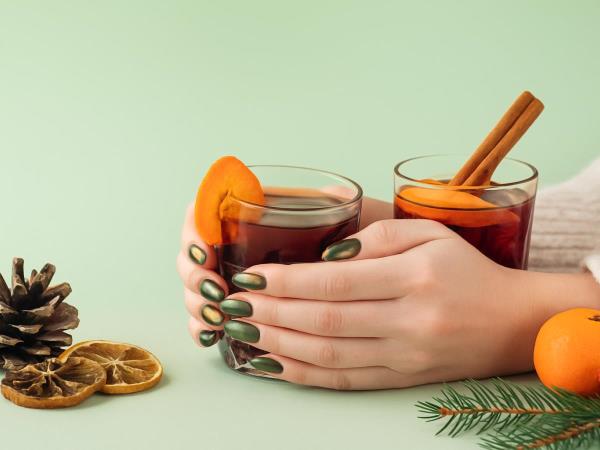
Mulled wine has a special status. It's not just a drink, it's a feeling. The scent of cinnamon, cloves, and citrus immediately brings to mind winter, holidays, and gatherings. In 2020, when Christmas markets were mostly closed, people started making mulled wine at home. To this day, this habit has only grown stronger. Homemade mulled wine has become a symbol of warmth, slowness, and a return to simple things.
But with this, the question often arises: can mulled wine actually be healthy? Or is it just an indulgence that in reality does more harm than good?
The answer is not black and white. As with most things in folk medicine, the key is understanding, quantity, and how it is consumed.
Why mulled wine seems healthy in the first place
Mulled wine has two sides. The first is the wine itself, the second are the spices. Both have a long history of use in traditional practices. As far back as ancient times, people heated wine and added herbs because they believed it would "open up the blood" and warm the body.
The main ingredient of mulled wine is red wine. Red wine contains antioxidants that help the body neutralize harmful particles produced by stress, pollution, and aging. The most well-known among them is resveratrol. This is a plant compound found in the skin of red grapes and has been the subject of research for years.
A study published in the European Journal of Clinical Nutrition showed that moderate consumption of red wine can raise levels of so-called good cholesterol (that is HDL, which helps clear the arteries) by about 11 to 16%. This doesn’t mean that wine is a medicine, but it does mean that in small amounts, it’s not necessarily an enemy.
What does moderate mean – numbers without embellishment
The word "moderate" means a small, controlled amount. For alcohol, this usually means one glass per day for women and up to two for men, which in practice is often exceeded. One glass of mulled wine is about 200 milliliters and contains 8 to 13% alcohol, depending on the wine and preparation method.
Studies from 2020 showed that more than 60% of people underestimate the amount of alcohol they consume during holiday drinking. Mulled wine is warm, sweet, and pleasant, so it is easier to drink, but the body still registers the alcohol.
Spices – the true power of mulled wine
If mulled wine has any real advantage, it lies not so much in the alcohol as in the spices. Folk medicine has used spices for centuries, long before we knew about vitamins and laboratories.
Why heat deceives the body
Many people feel that mulled wine warms them up. This feeling is real, but somewhat misleading. Alcohol causes blood vessels to dilate. This means blood comes closer to the skin, so you feel warmth. But because of this, your body also loses heat faster.
Studies from cold countries have shown that alcohol in winter actually increases the risk of hypothermia, because it tricks your sense of warmth. This is important to know, especially when outdoors.
Sugar – the silent companion of mulled wine
The other problem with mulled wine is sugar. To reduce the acidity of the wine, quite a lot of sugar or syrups are often added. One portion of mulled wine can contain 25 to 30 grams of sugar, which is almost as much as a can of soda.
In 2025, research showed that the average European consumes 30% more sugar than recommended. Mulled wine is not an innocent exception to this. Sugar quickly raises your energy levels, then a crash follows, causing tiredness and a desire for another glass.
Hidden problems: liver, heart, and head
The liver is the organ that breaks down alcohol. The liver is like the body’s cleaning station. If you frequently burden it with alcohol, it gets tired. Studies from 2020 show that regular drinking of alcohol, even in smaller amounts, increases the risk of fatty liver.
In some people, alcohol causes arrhythmia. This means irregular heartbeat. In addition, red wine contains substances called congeners. These are natural by-products of fermentation, which can worsen hangovers, that is, feeling bad after drinking.
Teeth are not happy either. The acid and sugar together increase the risk of cavities and tooth staining. Dental studies from 2022 have shown that regular consumers of mulled wine more often report sensitive teeth.
What does folk wisdom say
Folk tradition never advocated excess. Mulled wine was meant as a remedy for cold, not as an everyday drink. One glass, slowly, in company and with food. No more. Old writings also mention diluting wine with water or adding more spices and less sugar. The intent was not intoxication, but warming up and cheerfulness.
How to make mulled wine kinder to the body
The best solution is homemade preparation. That way, you control the amount of sugar and the choice of wine. Using honey instead of white sugar reduces the sudden spike in blood sugar. Adding more spices and less alcohol enhances the aroma without the extra burden.
It’s also important not to let mulled wine boil. If it boils, the alcohol does not evaporate completely, but more beneficial substances and aroma are lost.
How much is still acceptable
If you want to stay sensible, stick to one cup (200 ml), at most two on special occasions. Drink water between glasses and never drink on an empty stomach. Food slows down the absorption of alcohol.
People with diabetes, high blood pressure or liver problems should be especially careful or best avoid mulled wine.
Homemade and affordable alternative
If you like the taste, but not the alcohol, there’s an excellent solution: heated apple juice or grape juice with the same spices. The taste is very similar, the benefits of the spices remain, and the risks are much lower. This is an old folk practice that is coming back.
What to remember
Mulled wine is not a medicine nor a poison by itself. It is a festive drink that has some beneficial ingredients, but also many pitfalls. Its possible benefits quickly disappear if you overdo it. If you drink it moderately, slowly, and mindfully, it probably won’t harm you. But if it becomes a habit, the scale quickly tips the other way.
And that is the essence of both folk wisdom and modern science: less is more.
Information on this website is for educational purposes only and is not medical advice.
But with this, the question often arises: can mulled wine actually be healthy? Or is it just an indulgence that in reality does more harm than good?
The answer is not black and white. As with most things in folk medicine, the key is understanding, quantity, and how it is consumed.
Why mulled wine seems healthy in the first place
Mulled wine has two sides. The first is the wine itself, the second are the spices. Both have a long history of use in traditional practices. As far back as ancient times, people heated wine and added herbs because they believed it would "open up the blood" and warm the body.
The main ingredient of mulled wine is red wine. Red wine contains antioxidants that help the body neutralize harmful particles produced by stress, pollution, and aging. The most well-known among them is resveratrol. This is a plant compound found in the skin of red grapes and has been the subject of research for years.
A study published in the European Journal of Clinical Nutrition showed that moderate consumption of red wine can raise levels of so-called good cholesterol (that is HDL, which helps clear the arteries) by about 11 to 16%. This doesn’t mean that wine is a medicine, but it does mean that in small amounts, it’s not necessarily an enemy.
What does moderate mean – numbers without embellishment
The word "moderate" means a small, controlled amount. For alcohol, this usually means one glass per day for women and up to two for men, which in practice is often exceeded. One glass of mulled wine is about 200 milliliters and contains 8 to 13% alcohol, depending on the wine and preparation method.
Studies from 2020 showed that more than 60% of people underestimate the amount of alcohol they consume during holiday drinking. Mulled wine is warm, sweet, and pleasant, so it is easier to drink, but the body still registers the alcohol.
Spices – the true power of mulled wine
If mulled wine has any real advantage, it lies not so much in the alcohol as in the spices. Folk medicine has used spices for centuries, long before we knew about vitamins and laboratories.
- Cinnamon is known to promote circulation. Circulation means the flow of blood through the body. Good circulation helps to keep your hands and feet warm. Studies from 2021–2023 show that cinnamon may also help regulate blood sugar, if consumed regularly and in small amounts.
- Cloves have natural antibacterial properties. This means they inhibit the growth of certain microorganisms. In traditional practice, they were often used for mouth and throat inflammations.
- Nutmeg is traditionally used to soothe digestion. It helps with bloating and the feeling of heaviness in the stomach, but only in very small amounts – larger quantities are not recommended.
- Star anise and citrus fruits, such as orange or lemon, add aroma and some vitamin C. Vitamin C is a substance that helps defend the body against infections, but it should be noted that some vitamin C is lost with heating.
Why heat deceives the body
Many people feel that mulled wine warms them up. This feeling is real, but somewhat misleading. Alcohol causes blood vessels to dilate. This means blood comes closer to the skin, so you feel warmth. But because of this, your body also loses heat faster.
Studies from cold countries have shown that alcohol in winter actually increases the risk of hypothermia, because it tricks your sense of warmth. This is important to know, especially when outdoors.
Sugar – the silent companion of mulled wine
The other problem with mulled wine is sugar. To reduce the acidity of the wine, quite a lot of sugar or syrups are often added. One portion of mulled wine can contain 25 to 30 grams of sugar, which is almost as much as a can of soda.
In 2025, research showed that the average European consumes 30% more sugar than recommended. Mulled wine is not an innocent exception to this. Sugar quickly raises your energy levels, then a crash follows, causing tiredness and a desire for another glass.
Hidden problems: liver, heart, and head
The liver is the organ that breaks down alcohol. The liver is like the body’s cleaning station. If you frequently burden it with alcohol, it gets tired. Studies from 2020 show that regular drinking of alcohol, even in smaller amounts, increases the risk of fatty liver.
In some people, alcohol causes arrhythmia. This means irregular heartbeat. In addition, red wine contains substances called congeners. These are natural by-products of fermentation, which can worsen hangovers, that is, feeling bad after drinking.
Teeth are not happy either. The acid and sugar together increase the risk of cavities and tooth staining. Dental studies from 2022 have shown that regular consumers of mulled wine more often report sensitive teeth.
What does folk wisdom say
Folk tradition never advocated excess. Mulled wine was meant as a remedy for cold, not as an everyday drink. One glass, slowly, in company and with food. No more. Old writings also mention diluting wine with water or adding more spices and less sugar. The intent was not intoxication, but warming up and cheerfulness.
How to make mulled wine kinder to the body
The best solution is homemade preparation. That way, you control the amount of sugar and the choice of wine. Using honey instead of white sugar reduces the sudden spike in blood sugar. Adding more spices and less alcohol enhances the aroma without the extra burden.
It’s also important not to let mulled wine boil. If it boils, the alcohol does not evaporate completely, but more beneficial substances and aroma are lost.
How much is still acceptable
If you want to stay sensible, stick to one cup (200 ml), at most two on special occasions. Drink water between glasses and never drink on an empty stomach. Food slows down the absorption of alcohol.
People with diabetes, high blood pressure or liver problems should be especially careful or best avoid mulled wine.
Homemade and affordable alternative
If you like the taste, but not the alcohol, there’s an excellent solution: heated apple juice or grape juice with the same spices. The taste is very similar, the benefits of the spices remain, and the risks are much lower. This is an old folk practice that is coming back.
What to remember
Mulled wine is not a medicine nor a poison by itself. It is a festive drink that has some beneficial ingredients, but also many pitfalls. Its possible benefits quickly disappear if you overdo it. If you drink it moderately, slowly, and mindfully, it probably won’t harm you. But if it becomes a habit, the scale quickly tips the other way.
And that is the essence of both folk wisdom and modern science: less is more.
Information on this website is for educational purposes only and is not medical advice.
Author:
Zvone Stor
expert, nutritionist
expert, nutritionist
 Would you like to be informed about news on the website?
Just enter your e-mail
mulled wine benefits
moderate alcohol consumption
health effects of wine and spices
homemade mulled wine
mulled wine ingredients and health benefits
Latest news





Four Ingredients Every Kitchen Already Has: The Morning Drink Healthy-Living Fans Swear By
Read more >>






After 40, the Pounds Don't Just Appear – Your Body Is Sending You a Message Most Women Misread
Read more >>

The Humble Bean That Takes On Cholesterol: Why Legumes Are Not Just Peasant Food but a Friend to Your Heart
Read more >>

When a Kids' Drink Beats Sports Drinks: What Science Really Says About Chocolate Milk After Training
Read more >>

Interaktive Widgets:
|

