




Date: 12/28/2025 - GOOD TO KNOW
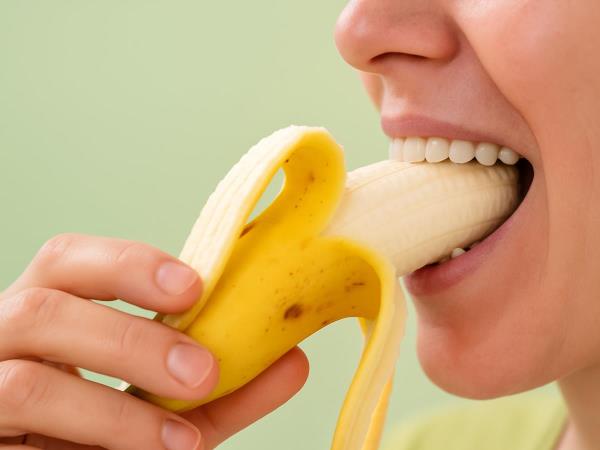
Why It Matters What Time You Eat Bananas
AUTHOR:
Zvone Stor
expert, nutritionist
expert, nutritionist
The simple truth about the popular fruit that can help your body... Or cause trouble. Do you know this problem?
A banana is one of those foods that almost nobody thinks could actually be problematic. But, oh yes, it can be!
It's yellow, soft, sweet, cheap, and always available. In 2020, bananas were among the three best-selling types of fruit in Europe, and today their consumption has increased drastically. This is mainly because people are looking for simple and natural sources of energy, which bananas definitely are. But popular wisdom has long said: it’s not just what you eat that matters, but when. And for bananas, this is especially true.
Although bananas are rich in fiber, potassium, and natural sugars, their impact on the body is not always the same. It depends on the time of day, the ripeness of the fruit, and also on the state of your body.
Banana and Its Impact on the Body
A medium banana contains about 90 to 105 calories, depending on its size. It has around 27 grams of carbohydrates, mostly in the form of natural sugars. Carbohydrates are the fuel for the body, which we need for movement, thinking, and organ function.
Bananas also contain fiber. As we have pointed out many times, fiber is part of the diet that the intestines do not completely digest, but helps digestion and the feeling of satiety. One banana has on average 3 grams of fiber, which is about 10% of the daily needs of an adult.
In addition, the banana is one of the best natural sources of potassium. Potassium is a mineral that helps with muscle function, heart, and regulation of fluids in the body. One banana contains about 360 mg of potassium, which is about 10% of the recommended daily intake.
What Happens If You Eat a Banana in the Morning
In the morning, the body is slightly emptied after the night. During sleep, we use up energy even when just lying down. When you eat a banana in the morning, you provide your body with a quick source of energy. That’s why you often feel more awake after eating a banana.
Studies from 2020 showed that eating fruit with natural sugars within the first two hours of waking improves concentration and reduces morning fatigue in more than 60% of people. With less ripe bananas, resistant starch is particularly interesting. This is a type of starch that digests more slowly and helps you not to feel hungry quickly.
A banana in the morning can also help your stomach. Traditional medicine has long used it as a natural acid soother. Gastric acid is a fluid in the stomach that helps with digestion. If there’s too much, it can cause a burning sensation. A banana can partly ease this, so some people report that it calms their stomach in the morning.
Banana During the Day, and Why It Helps With an Energy Drop
Many people experience what’s called an afternoon slump around 2 or 3 p.m. This means fatigue suddenly increases, concentration drops, and there’s a desire for something sweet. In 2025, productivity studies showed that this happens to more than 70% of employees.
At that time, a banana is one of the best choices. Natural sugars are absorbed quickly, while the fiber ensures that the energy doesn't drop immediately. Unlike industrial sweets, a banana doesn’t cause such strong energy swings.
It’s also important that a banana contains about 75% water. Hydration means having enough fluid in the body. Even a 1 - 2% lack of fluid can cause fatigue and headaches. Potassium in a banana helps regulate fluid balance, which is especially useful during warmer months or for sedentary work.
Banana in the Evening: Help or Problem?
In the evening, the banana takes on a different role. It contains a substance called tryptophan. This is an amino acid, which means it’s a building block of protein that the body uses to make serotonin and melatonin. Serotonin affects mood, and melatonin affects sleep.
Research from 2021 - 2024 has shown that foods rich in tryptophan can help improve sleep quality in about 30% of people, especially those who have trouble falling asleep.
Additionally, bananas contain magnesium and vitamin B6, which help relax muscles and the nervous system. This is why some people feel calmer after eating a banana in the evening.
However, Caution Is Not Unwarranted. If you eat a banana right before bed, it can cause bloating or a slight rise in blood sugar in sensitive people. This can disturb sleep instead of improving it.
Bananas and Physical Activity
Bananas have long been known as a fruit for strength. Athletes have been using them massively even before 2020, because they are convenient and easily digestible. One banana before exercise provides enough energy for 30 to 60 minutes of moderate activity.
Potassium is believed to help prevent muscle cramps. Cramps are sudden, painful muscle contractions. Although science does not yet have a completely unified opinion, studies from 2022 show that people with adequate potassium intake report fewer muscle cramps.
After exercise, a banana helps restore glycogen stores. Glycogen is a form of stored energy in muscles. After physical activity, these stores are depleted, and a banana helps to replenish them faster, especially if eaten within the first hour after activity.
Banana Ripeness – a Detail That Means a Lot
Green or less ripe bananas contain more resistant starch and less sugar. Riper bananas have more sugar and digest faster. In 2025, nutritional studies showed that people with sensitive digestion tolerate riper bananas better, while less ripe ones keep you full for longer.
Folk practice is very clear here: for energy—a ripe banana; for satiety—a less ripe banana.
When Can a Banana Be a Problem
Although bananas are healthy, they are not perfect for everyone at all times. People with marked problems managing blood sugar may experience restless sleep if eating them in the evening. For some it can cause constipation, for others the opposite—it depends on digestion.
According to data from 2020, around 15% of adults have sensitive digestion, meaning the body reacts to the same food differently at different times of day.
Popular wisdom always says that the body is the best teacher. A banana is excellent, but only if you eat it at the right time. In the morning and during the day, it’s a safe and beneficial choice for most people. In the evening, it can help with relaxation if you eat it early enough.
What To Remember
A banana is not ordinary. It’s a source of energy, a help with fatigue, sometimes even an ally of better sleep. But the time of day, ripeness, and your physical condition play a bigger role than most people think.
When a banana becomes part of mindful eating, it’s no longer just a snack, but a tool for better well-being. And that is the essence of both traditional wisdom and modern research.
Information on this website is for educational purposes only and is not medical advice.
It's yellow, soft, sweet, cheap, and always available. In 2020, bananas were among the three best-selling types of fruit in Europe, and today their consumption has increased drastically. This is mainly because people are looking for simple and natural sources of energy, which bananas definitely are. But popular wisdom has long said: it’s not just what you eat that matters, but when. And for bananas, this is especially true.
Although bananas are rich in fiber, potassium, and natural sugars, their impact on the body is not always the same. It depends on the time of day, the ripeness of the fruit, and also on the state of your body.
Banana and Its Impact on the Body
A medium banana contains about 90 to 105 calories, depending on its size. It has around 27 grams of carbohydrates, mostly in the form of natural sugars. Carbohydrates are the fuel for the body, which we need for movement, thinking, and organ function.
Bananas also contain fiber. As we have pointed out many times, fiber is part of the diet that the intestines do not completely digest, but helps digestion and the feeling of satiety. One banana has on average 3 grams of fiber, which is about 10% of the daily needs of an adult.
In addition, the banana is one of the best natural sources of potassium. Potassium is a mineral that helps with muscle function, heart, and regulation of fluids in the body. One banana contains about 360 mg of potassium, which is about 10% of the recommended daily intake.
What Happens If You Eat a Banana in the Morning
In the morning, the body is slightly emptied after the night. During sleep, we use up energy even when just lying down. When you eat a banana in the morning, you provide your body with a quick source of energy. That’s why you often feel more awake after eating a banana.
Studies from 2020 showed that eating fruit with natural sugars within the first two hours of waking improves concentration and reduces morning fatigue in more than 60% of people. With less ripe bananas, resistant starch is particularly interesting. This is a type of starch that digests more slowly and helps you not to feel hungry quickly.
A banana in the morning can also help your stomach. Traditional medicine has long used it as a natural acid soother. Gastric acid is a fluid in the stomach that helps with digestion. If there’s too much, it can cause a burning sensation. A banana can partly ease this, so some people report that it calms their stomach in the morning.
Banana During the Day, and Why It Helps With an Energy Drop
Many people experience what’s called an afternoon slump around 2 or 3 p.m. This means fatigue suddenly increases, concentration drops, and there’s a desire for something sweet. In 2025, productivity studies showed that this happens to more than 70% of employees.
At that time, a banana is one of the best choices. Natural sugars are absorbed quickly, while the fiber ensures that the energy doesn't drop immediately. Unlike industrial sweets, a banana doesn’t cause such strong energy swings.
It’s also important that a banana contains about 75% water. Hydration means having enough fluid in the body. Even a 1 - 2% lack of fluid can cause fatigue and headaches. Potassium in a banana helps regulate fluid balance, which is especially useful during warmer months or for sedentary work.
Banana in the Evening: Help or Problem?
In the evening, the banana takes on a different role. It contains a substance called tryptophan. This is an amino acid, which means it’s a building block of protein that the body uses to make serotonin and melatonin. Serotonin affects mood, and melatonin affects sleep.
Research from 2021 - 2024 has shown that foods rich in tryptophan can help improve sleep quality in about 30% of people, especially those who have trouble falling asleep.
Additionally, bananas contain magnesium and vitamin B6, which help relax muscles and the nervous system. This is why some people feel calmer after eating a banana in the evening.
However, Caution Is Not Unwarranted. If you eat a banana right before bed, it can cause bloating or a slight rise in blood sugar in sensitive people. This can disturb sleep instead of improving it.
Bananas and Physical Activity
Bananas have long been known as a fruit for strength. Athletes have been using them massively even before 2020, because they are convenient and easily digestible. One banana before exercise provides enough energy for 30 to 60 minutes of moderate activity.
Potassium is believed to help prevent muscle cramps. Cramps are sudden, painful muscle contractions. Although science does not yet have a completely unified opinion, studies from 2022 show that people with adequate potassium intake report fewer muscle cramps.
After exercise, a banana helps restore glycogen stores. Glycogen is a form of stored energy in muscles. After physical activity, these stores are depleted, and a banana helps to replenish them faster, especially if eaten within the first hour after activity.
Banana Ripeness – a Detail That Means a Lot
Green or less ripe bananas contain more resistant starch and less sugar. Riper bananas have more sugar and digest faster. In 2025, nutritional studies showed that people with sensitive digestion tolerate riper bananas better, while less ripe ones keep you full for longer.
Folk practice is very clear here: for energy—a ripe banana; for satiety—a less ripe banana.
When Can a Banana Be a Problem
Although bananas are healthy, they are not perfect for everyone at all times. People with marked problems managing blood sugar may experience restless sleep if eating them in the evening. For some it can cause constipation, for others the opposite—it depends on digestion.
According to data from 2020, around 15% of adults have sensitive digestion, meaning the body reacts to the same food differently at different times of day.
Popular wisdom always says that the body is the best teacher. A banana is excellent, but only if you eat it at the right time. In the morning and during the day, it’s a safe and beneficial choice for most people. In the evening, it can help with relaxation if you eat it early enough.
What To Remember
A banana is not ordinary. It’s a source of energy, a help with fatigue, sometimes even an ally of better sleep. But the time of day, ripeness, and your physical condition play a bigger role than most people think.
When a banana becomes part of mindful eating, it’s no longer just a snack, but a tool for better well-being. And that is the essence of both traditional wisdom and modern research.
Information on this website is for educational purposes only and is not medical advice.
Author:
Zvone Stor
expert, nutritionist
expert, nutritionist
 Would you like to be informed about news on the website?
Just enter your e-mail
Banana impact on body
Best time to eat bananas
Benefits of eating bananas
Banana and energy levels
Banana ripeness and digestion
Latest news





Four Ingredients Every Kitchen Already Has: The Morning Drink Healthy-Living Fans Swear By
Read more >>






After 40, the Pounds Don't Just Appear – Your Body Is Sending You a Message Most Women Misread
Read more >>

The Humble Bean That Takes On Cholesterol: Why Legumes Are Not Just Peasant Food but a Friend to Your Heart
Read more >>

When a Kids' Drink Beats Sports Drinks: What Science Really Says About Chocolate Milk After Training
Read more >>

Interaktive Widgets:
|

