


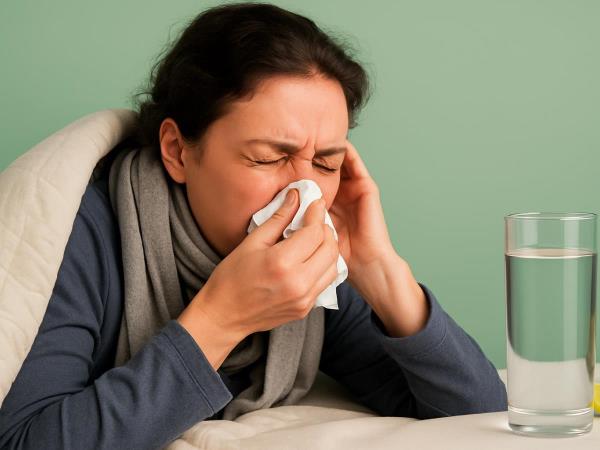


Date: 12/24/2025 - GOOD TO KNOW
How to avoid the wave of super flu during the holidays
AUTHOR:
Zvone Stor
expert, nutritionist
expert, nutritionist
December has a strange effect on the body. As the calendar winds down, the days are short, there is little sunlight, even less energy, and it’s almost a miracle if you manage to avoid the classic winter illnesses. But it’s not impossible ...
In 2020, many people truly experienced for the first time how quickly a cold, flu, or virus can spread among people. Unfortunately, a similar story repeats every year... In offices, shops, on buses, and at family lunches, you hear coughing, sneezing, and that familiar phrase: My throat just feels a bit scratchy...
That’s true, but there’s much more behind it ...
This is also the time when the so-called super flu appears. It’s not an official disease name, but a term used when several viruses are circulating at the same time: flu, common colds, COVID, and other respiratory viruses. According to European health institutions, in winters after 2020 there has been up to 35% more respiratory infections compared to before the pandemic. The reason isn’t just the virus, but also people’s exhaustion, poor sleep, and stress.
Of course, you can do a lot yourself. Without expensive products, without panic, and without complicated routines.
Why do we get sick so often just before the holidays
The body isn’t a machine. When it’s tired, it works more slowly. Research from 2021 to 2024 shows that immune system function drops by up to 30% when you’re low on sleep. The immune system is the body’s natural defense – a collection of mechanisms that help protect against viruses and bacteria.
December brings:
Each of these factors alone isn’t fatal. But together, they’re the perfect combination for your body to say: enough.
Nutrition isn’t a miracle, but it’s the foundation
We often hear about superfoods... The truth is less spectacular, but more useful. There isn’t a single food that will protect you from illness. But there is a way of eating that supports your body every day. Research from the UK and Germany between 2020 and 2023 has shown that people who eat at least 400 grams of fruits and vegetables a day have about 25% fewer respiratory infections in the winter.
Especially important are:
Vitamin D is especially interesting. More than 70% of Europeans don’t get enough of it in winter. A Scandinavian study in 2022 showed that people with low vitamin D levels got sick more often and had longer-lasting illnesses.
Here, the old folk rule applies: less, but regularly. Dietary supplements aren’t candy. Too high doses do not help and can even burden the body.
Alcohol and the immune system don’t get along well
A glass of wine with dinner isn’t a problem. The problem starts when alcohol becomes a daily companion to stress. Studies from 2021 showed that just 3-4 consecutive evenings with alcohol reduce sleep quality by more than 40%.
Poor sleep means:
Inflammation means the body is fighting—often against something you don’t even feel yet. Folk medicine has been clear here for centuries: water, tea, soup. Nothing new, but it still works.
Sleep – the cheapest medicine most people don’t take advantage of
If you had to pick just one thing that affects your health most in winter, it’s sleep. People who sleep less than 6 hours a night, according to data from 2020, have nearly twice the risk of getting sick after virus exposure.
Sleep hygiene means:
These aren’t trendy tips, but basic instructions for the body to even function properly.
Vaccination – protection, but not complete invisibility
Many people expect vaccination to mean they won’t get sick. That’s not true. Vaccination means your body recognizes the virus more quickly and responds better. According to data from 2020–2024, vaccinated individuals had up to 60% fewer serious complications from flu and COVID.
It’s important to understand the difference:
That’s the difference between a few days of feeling bad and weeks of exhaustion.
Masks: unpopular, but effective
Masks have become a symbol of debate. But the facts are quite clear. A review of more than 170 studies, published in a respected medical journal, showed masks reduced virus transmission by 30–80%, depending on mask type and correct use.
The most effective are:
A mask isn’t a miracle. It’s an extra layer of safety, especially in enclosed spaces like buses, shops, and waiting rooms.
Public transport – small habits, big effect
Every day, a single bus handle is touched by 200 or more people. Viruses can survive for hours on smooth surfaces, some for up to 48 hours.
So:
If you’re not feeling well, stay home. That’s not weakness, but responsibility.
Homemade and cheap solutions
Warm soup, elderflower or linden tea, plenty of fluids, rest. These aren’t old wives’ tales. These are measures that have survived for centuries because they work. Modern science just confirms them now with graphs and percentages. The goal isn’t to shut yourself away, but to help your body before you get sick.
Keep this in mind.
Information on this website is for educational purposes only and is not medical advice.
That’s true, but there’s much more behind it ...
This is also the time when the so-called super flu appears. It’s not an official disease name, but a term used when several viruses are circulating at the same time: flu, common colds, COVID, and other respiratory viruses. According to European health institutions, in winters after 2020 there has been up to 35% more respiratory infections compared to before the pandemic. The reason isn’t just the virus, but also people’s exhaustion, poor sleep, and stress.
Of course, you can do a lot yourself. Without expensive products, without panic, and without complicated routines.
Why do we get sick so often just before the holidays
The body isn’t a machine. When it’s tired, it works more slowly. Research from 2021 to 2024 shows that immune system function drops by up to 30% when you’re low on sleep. The immune system is the body’s natural defense – a collection of mechanisms that help protect against viruses and bacteria.
December brings:
- less sun and less vitamin D
- more sugar and alcohol
- more stress
- more people gathered together…
Each of these factors alone isn’t fatal. But together, they’re the perfect combination for your body to say: enough.
Nutrition isn’t a miracle, but it’s the foundation
We often hear about superfoods... The truth is less spectacular, but more useful. There isn’t a single food that will protect you from illness. But there is a way of eating that supports your body every day. Research from the UK and Germany between 2020 and 2023 has shown that people who eat at least 400 grams of fruits and vegetables a day have about 25% fewer respiratory infections in the winter.
Especially important are:
- vitamin C: helps the body defend itself
- vitamin D: regulates immune response
- zinc: helps cells recover faster.
Vitamin D is especially interesting. More than 70% of Europeans don’t get enough of it in winter. A Scandinavian study in 2022 showed that people with low vitamin D levels got sick more often and had longer-lasting illnesses.
Here, the old folk rule applies: less, but regularly. Dietary supplements aren’t candy. Too high doses do not help and can even burden the body.
Alcohol and the immune system don’t get along well
A glass of wine with dinner isn’t a problem. The problem starts when alcohol becomes a daily companion to stress. Studies from 2021 showed that just 3-4 consecutive evenings with alcohol reduce sleep quality by more than 40%.
Poor sleep means:
- slower body recovery
- weaker defense
- more inflammation.
Inflammation means the body is fighting—often against something you don’t even feel yet. Folk medicine has been clear here for centuries: water, tea, soup. Nothing new, but it still works.
Sleep – the cheapest medicine most people don’t take advantage of
If you had to pick just one thing that affects your health most in winter, it’s sleep. People who sleep less than 6 hours a night, according to data from 2020, have nearly twice the risk of getting sick after virus exposure.
Sleep hygiene means:
- regular bedtime
- a dark space
- no screens for at least 30 minutes before bed.
These aren’t trendy tips, but basic instructions for the body to even function properly.
Vaccination – protection, but not complete invisibility
Many people expect vaccination to mean they won’t get sick. That’s not true. Vaccination means your body recognizes the virus more quickly and responds better. According to data from 2020–2024, vaccinated individuals had up to 60% fewer serious complications from flu and COVID.
It’s important to understand the difference:
- medication relieves symptoms
- vaccination reduces the risk of severe illness
That’s the difference between a few days of feeling bad and weeks of exhaustion.
Masks: unpopular, but effective
Masks have become a symbol of debate. But the facts are quite clear. A review of more than 170 studies, published in a respected medical journal, showed masks reduced virus transmission by 30–80%, depending on mask type and correct use.
The most effective are:
- N95-type masks
- surgical masks
- even fabric provides basic protection.
A mask isn’t a miracle. It’s an extra layer of safety, especially in enclosed spaces like buses, shops, and waiting rooms.
Public transport – small habits, big effect
Every day, a single bus handle is touched by 200 or more people. Viruses can survive for hours on smooth surfaces, some for up to 48 hours.
So:
- hand sanitizer in your pocket isn’t an exaggeration
- touching your face is the biggest mistake
- ventilation really helps.
If you’re not feeling well, stay home. That’s not weakness, but responsibility.
Homemade and cheap solutions
Warm soup, elderflower or linden tea, plenty of fluids, rest. These aren’t old wives’ tales. These are measures that have survived for centuries because they work. Modern science just confirms them now with graphs and percentages. The goal isn’t to shut yourself away, but to help your body before you get sick.
Keep this in mind.
Information on this website is for educational purposes only and is not medical advice.
Author:
Zvone Stor
expert, nutritionist
expert, nutritionist
 Would you like to be informed about news on the website?
Just enter your e-mail
super flu prevention
winter illnesses
immune system function
vitamin D deficiency
sleep hygiene
Latest news





Four Ingredients Every Kitchen Already Has: The Morning Drink Healthy-Living Fans Swear By
Read more >>






After 40, the Pounds Don't Just Appear – Your Body Is Sending You a Message Most Women Misread
Read more >>

The Humble Bean That Takes On Cholesterol: Why Legumes Are Not Just Peasant Food but a Friend to Your Heart
Read more >>
When a Kids' Drink Beats Sports Drinks: What Science Really Says About Chocolate Milk After Training
Read more >>

Interaktive Widgets:
|

