




Date: 12/20/2025 - GOOD TO KNOW
Is semolina really beneficial for health?
AUTHOR:
Zvone Stor
expert, nutritionist
expert, nutritionist
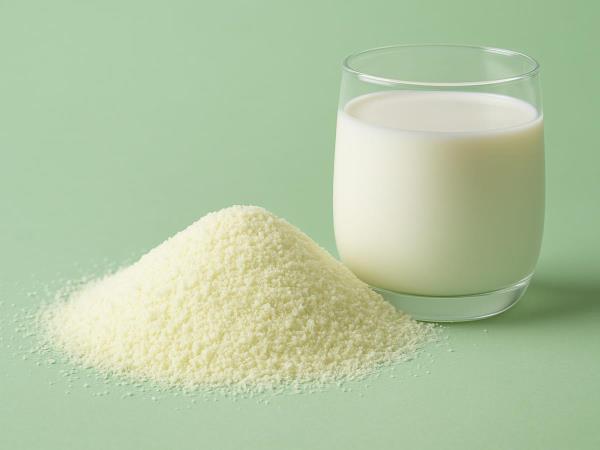
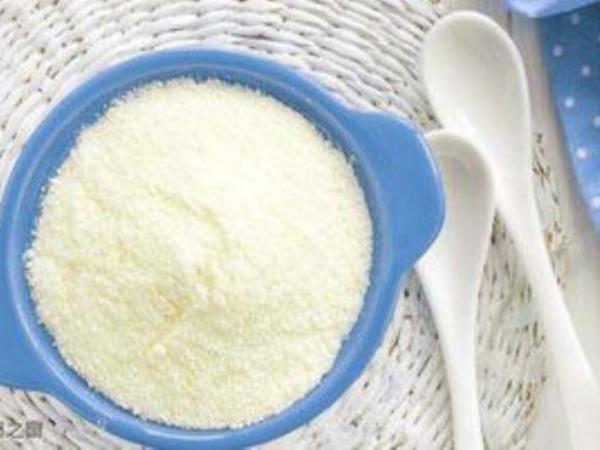
Semolina is a form of the highest quality wheat, but unfortunately, it has a lot of carbohydrates (more than white flour), but luckily, it also contains some very important nutrients, which is why it shouldn’t be overlooked.
It is known that a 200-gram portion of semolina with milk contains 120 calories and 50% of the daily carbohydrate intake. The numbers don’t add up, which would otherwise mean that semolina is a very dangerous food, but on the other hand, it provides a lot of interesting benefits.
The most important one is iron. Semolina has 4 times more iron than flour. This is precisely why semolina is a key ingredient for preventing anemia in children as well as older people. In one portion of semolina, there is 11 mg of iron; the recommended daily intake for women is 12 mg, and for men, it’s 15 mg. This means the body can satisfy its iron and oxygen requirements, which iron delivers to the cells, just with semolina.
Semolina is also extremely rich in calcium. One portion contains 235 mg of calcium, which is almost half of the daily recommended intake. Semolina for breakfast strengthens teeth and bones, and in old age it lubricates the joints.
Among the vitamins, the entire group of B vitamins stands out in quantity, with the only one missing being vitamin B12 (the exact reason for this is still unknown). At least for the B vitamins, semolina is the absolute winner among all foods.
Unfortunately, semolina is also high in carbohydrates (24 grams) and proteins (4 grams). This means we shouldn’t overdo it with semolina, and especially shouldn’t eat it every day. The maximum amount is one portion of semolina every other day.
Finally, the dilemma...
It is clear that semolina has a lot of carbohydrates and is best avoided. On the other hand, it contains so many beneficial elements that it shouldn’t be completely overlooked, at least occasionally. Since it is still a form of wheat, it contains a lot of gluten, so people who are sensitive to gluten should not eat it at all.
In any case, this means you should be careful when consuming semolina (this also applies to semolina dumplings). If you are lucky enough that semolina products do not cause you problems, then it is one of the most beneficial and rich winter foods.
One more thing... In some parts of Slovenia, wheat semolina is called “gris,” elsewhere “gres.” This is a local derivation from the German word for wheat semolina, Grie{-15457} (pronounced “gris”).
Information on this website is for educational purposes only and is not medical advice.
The most important one is iron. Semolina has 4 times more iron than flour. This is precisely why semolina is a key ingredient for preventing anemia in children as well as older people. In one portion of semolina, there is 11 mg of iron; the recommended daily intake for women is 12 mg, and for men, it’s 15 mg. This means the body can satisfy its iron and oxygen requirements, which iron delivers to the cells, just with semolina.
Semolina is also extremely rich in calcium. One portion contains 235 mg of calcium, which is almost half of the daily recommended intake. Semolina for breakfast strengthens teeth and bones, and in old age it lubricates the joints.
Among the vitamins, the entire group of B vitamins stands out in quantity, with the only one missing being vitamin B12 (the exact reason for this is still unknown). At least for the B vitamins, semolina is the absolute winner among all foods.
Unfortunately, semolina is also high in carbohydrates (24 grams) and proteins (4 grams). This means we shouldn’t overdo it with semolina, and especially shouldn’t eat it every day. The maximum amount is one portion of semolina every other day.
Finally, the dilemma...
It is clear that semolina has a lot of carbohydrates and is best avoided. On the other hand, it contains so many beneficial elements that it shouldn’t be completely overlooked, at least occasionally. Since it is still a form of wheat, it contains a lot of gluten, so people who are sensitive to gluten should not eat it at all.
In any case, this means you should be careful when consuming semolina (this also applies to semolina dumplings). If you are lucky enough that semolina products do not cause you problems, then it is one of the most beneficial and rich winter foods.
One more thing... In some parts of Slovenia, wheat semolina is called “gris,” elsewhere “gres.” This is a local derivation from the German word for wheat semolina, Grie{-15457} (pronounced “gris”).
Information on this website is for educational purposes only and is not medical advice.
Author:
Zvone Stor
expert, nutritionist
expert, nutritionist
 Would you like to be informed about news on the website?
Just enter your e-mail
Semolina health benefits
Iron-rich semolina
Semolina nutrition facts
Calcium in semolina
B vitamins in semolina
Latest news





Four Ingredients Every Kitchen Already Has: The Morning Drink Healthy-Living Fans Swear By
Read more >>




After 40, the Pounds Don't Just Appear – Your Body Is Sending You a Message Most Women Misread
Read more >>

The Humble Bean That Takes On Cholesterol: Why Legumes Are Not Just Peasant Food but a Friend to Your Heart
Read more >>

When a Kids' Drink Beats Sports Drinks: What Science Really Says About Chocolate Milk After Training
Read more >>
Interaktive Widgets:
|

