




Date: 12/17/2025 - GOOD TO KNOW
Too much iron in the blood can also be a problem
AUTHOR:
Zvone Stor
expert, nutritionist
expert, nutritionist
Most people hear warnings their whole lives that they are lacking iron. But there is another side to the story. This condition is called hemochromatosis.
The word hemochromatosis means that the body accumulates iron faster than it can use or expel it. Simply put: iron starts to deposit in places where it shouldn't be. Most often, this happens in the liver, heart, pancreas, and joints. According to data from the European Association for the Study of the Liver from 2024, in Europe, 1 in 200 people have a genetic predisposition for this condition, and many don't even know it.
Why too much iron is dangerous – even if you feel healthy
Iron is essential for life. Without it, we wouldn't be able to transport oxygen through the body. But when there's too much, it starts to act like rust in a machine. It causes what is known as oxidative stress. This means that more harmful particles are produced in the body, which can damage cells, proteins, and even our DNA.
A study published in 2022 in the journal Nutrients found that people with untreated hemochromatosis have a 60% higher risk of liver damage and a 40% higher risk of heart complications after the age of 50. What makes this especially insidious is that the problem develops slowly. For years, you might not feel anything unusual, only to then start experiencing fatigue, joint pain, skin issues, or diabetes.
The good news is that there’s a lot you can do yourself. And without expensive supplements, exotic diets, or complicated rules.
Diet as a home remedy
Folk medicine has long observed that certain foods cool the blood and reduce liver burden. Today, we know that this wasn’t just our grandmothers’ wisdom. Modern research confirms that proper nutrition can reduce iron absorption by as much as 30-50%, which is a lot.
The key is to understand that it’s not about starving or eliminating entire food groups. It’s about assembling meals wisely.
What to avoid—without panic or exaggeration
Vitamin C does boost the immune system, but it also greatly increases iron absorption. This means that combining meat with large amounts of citrus is not a good idea. The same goes for vitamin A. Alcohol is particularly problematic in hemochromatosis. According to the World Health Organization in 2022, alcohol increases the risk of liver damage in people with high iron levels by as much as 80%.
In practice, this means: less, less often, or not at all.
The main point
Hemochromatosis is not a sentence—it’s a warning. Your body is telling you it needs a different balance. And you can largely create that balance yourself, at home, with your food choices.
This isn’t about trendy diets or expensive supplements. It’s about knowledge, moderation, and understanding your own body. These are things people have known long before 2020. Science is only now confirming them.
If you know what you eat and why you eat it, you’ve already done the most important thing.
Information on this website is for educational purposes only and is not medical advice.
Why too much iron is dangerous – even if you feel healthy
Iron is essential for life. Without it, we wouldn't be able to transport oxygen through the body. But when there's too much, it starts to act like rust in a machine. It causes what is known as oxidative stress. This means that more harmful particles are produced in the body, which can damage cells, proteins, and even our DNA.
A study published in 2022 in the journal Nutrients found that people with untreated hemochromatosis have a 60% higher risk of liver damage and a 40% higher risk of heart complications after the age of 50. What makes this especially insidious is that the problem develops slowly. For years, you might not feel anything unusual, only to then start experiencing fatigue, joint pain, skin issues, or diabetes.
The good news is that there’s a lot you can do yourself. And without expensive supplements, exotic diets, or complicated rules.
Diet as a home remedy
Folk medicine has long observed that certain foods cool the blood and reduce liver burden. Today, we know that this wasn’t just our grandmothers’ wisdom. Modern research confirms that proper nutrition can reduce iron absorption by as much as 30-50%, which is a lot.
The key is to understand that it’s not about starving or eliminating entire food groups. It’s about assembling meals wisely.
- Fruit and vegetables: natural shield against harm
Fruit and vegetables contain lots of antioxidants. These are substances that act like firefighters in the body, calming harmful processes. The best-known are vitamin C, vitamin E, and flavonoids.
Flavonoids are natural plant substances that give berries, apples, and onions their color. Simply put: they help your body defend itself more easily against harm.
According to a study from 2021, conducted at the University of Helsinki, people who ate at least 400 grams of vegetables daily had 22% lower levels of free iron in their blood than those who rarely ate vegetables.
Particularly beneficial are apples, blueberries, pears, broccoli, cabbage, and carrots. An old folk saying holds: an apple a day keeps the doctor away. With high iron levels, this is truer than ever. - Grains and legumes: allies, not enemies
Grains and legumes contain phytic acid. This substance binds iron in the intestine and prevents it from being fully absorbed into the blood. Phytic acid has a bad reputation because it can reduce mineral absorption in people with a poor diet. But for hemochromatosis, this is actually an advantage.
A 2020 study from Germany showed that a diet rich in whole grain products reduced iron absorption by up to 35% compared to white flour and refined products.
Lentils, beans, chickpeas, and oats are cheap, accessible, and very effective. In the countryside, such meals were considered peasant food, but today we know they were actually a very smart choice. - Eggs: a surprising helper
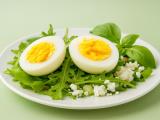
Eggs often unfairly get a bad reputation. They do contain iron, but it’s a form of iron that is poorly absorbed. Moreover, the egg yolk contains a substance called phosvitin.
Phosvitin is a protein that inhibits iron absorption. A study from 2023 showed that a meal with eggs reduced iron absorption from the same meal by about 28%.
This means that eggs are perfectly acceptable—even recommended—in hemochromatosis, if part of a balanced diet. - Tea and coffee: when a habit becomes a remedy Tea and coffee contain tannins, natural substances that give a bitter taste. Tannins strongly inhibit iron absorption. One cup of black tea with a meal can reduce iron absorption by 50-60%, as confirmed by several studies, including a 2020 study from the UK.
Interestingly, folk medicine has always advised drinking tea after a meal. Now we know this was very wise advice. - Proteins: no need to overdo or fear them
Proteins are essential for muscles, the immune system, and body repair. It’s true that meat contains iron, but this doesn’t mean you have to cut it out completely.
The most problematic is red meat, as it contains a form of iron that is very quickly absorbed. According to a 2024 study, beef contains up to three times more bioavailable iron than chicken or turkey.
Lean white meat, fish—especially tuna—and eggs are a much better choice. The key is moderation, not prohibition.
What to avoid—without panic or exaggeration
Vitamin C does boost the immune system, but it also greatly increases iron absorption. This means that combining meat with large amounts of citrus is not a good idea. The same goes for vitamin A. Alcohol is particularly problematic in hemochromatosis. According to the World Health Organization in 2022, alcohol increases the risk of liver damage in people with high iron levels by as much as 80%.
In practice, this means: less, less often, or not at all.
The main point
Hemochromatosis is not a sentence—it’s a warning. Your body is telling you it needs a different balance. And you can largely create that balance yourself, at home, with your food choices.
This isn’t about trendy diets or expensive supplements. It’s about knowledge, moderation, and understanding your own body. These are things people have known long before 2020. Science is only now confirming them.
If you know what you eat and why you eat it, you’ve already done the most important thing.
Information on this website is for educational purposes only and is not medical advice.
Author:
Zvone Stor
expert, nutritionist
expert, nutritionist
 Would you like to be informed about news on the website?
Just enter your e-mail
Hemochromatosis
Iron absorption
Iron overload
Nutritional remedies
Balanced diet
Latest news




Four Ingredients Every Kitchen Already Has: The Morning Drink Healthy-Living Fans Swear By
Read more >>



After 40, the Pounds Don't Just Appear – Your Body Is Sending You a Message Most Women Misread
Read more >>

The Humble Bean That Takes On Cholesterol: Why Legumes Are Not Just Peasant Food but a Friend to Your Heart
Read more >>
When a Kids' Drink Beats Sports Drinks: What Science Really Says About Chocolate Milk After Training
Read more >>
Interaktive Widgets:
|

