


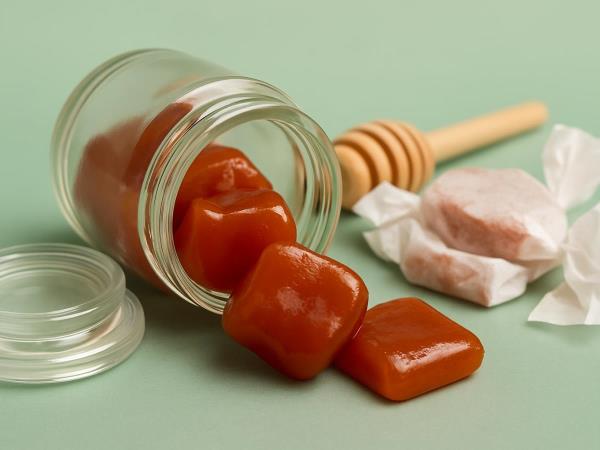


Date: 12/14/2025 - GOOD TO KNOW
Frozen honey: healthy trend or silent enemy of teeth and blood sugar?
AUTHOR:
Zvone Stor
expert, nutritionist
expert, nutritionist
Is freezing honey a good idea? The idea started during the pandemic, but today many talk about a healthy snack and even a detox bomb. What is the truth?
Honey really is one of the oldest and most valued natural products. People have been using it for over 8,000 years, as confirmed by cave paintings in Spain. But the question isn’t whether honey is healthy. The question is: is frozen honey a smart choice for everyday use?
What actually happens to honey in the freezer?
First, let's clear up a common misconception. Honey doesn't freeze in the freezer like water does. This means it doesn’t become an ice cube. The reason is simple: honey contains very little water, usually less than 18%, with the rest being natural sugars. When you put honey in the freezer, the following happens:
It’s this last characteristic that’s the main reason some people ended up at the dentist. So, be careful!
Frozen honey and teeth: a risk most people ignore
Teeth are strong, but not indestructible. According to the European Association of Dentists, between 2021 and 2023, the number of tooth injuries from hard homemade snacks increased by almost 17%. The most commonly mentioned causes were ice candies, frozen fruit, and frozen honey (!!!).
When you bite into solidified honey, you put very uneven force on the tooth. Especially at risk are:
What about cavities? Is honey really less dangerous than sugar?
Tooth decay means the breakdown of tooth enamel due to the activity of bacteria that feed on sugar. Honey contains sugar, but not exactly the same types as white sugar. Honey contains:
Research from 2021, published in the Journal of Oral Health, showed that raw, unprocessed honey reduced the growth of cavity-causing bacteria in laboratory conditions by about 25%. But this doesn’t mean it’s safe in unlimited quantities.
If honey remains on the teeth for a long time, which happens very often with frozen honey, the risk rises quickly.
Blood sugar: the hidden trap of frozen honey?
Honey is considered a natural sweetener, but your body doesn’t care whether the sugar came from chocolate or the beehive. One tablespoon of honey has about 64 calories and around 17 grams of sugar.
If you eat a small bottle of frozen honey, which is not unusual when it comes to frozen honey, you’ll consume:
For comparison: the World Health Organization recommends that an adult should not consume more than 50 grams of free sugars per day, ideally less than 25 grams.
When blood sugar rises quickly and then drops, you experience:
This was often observed in 2020 among people experimenting with such trends at home, as confirmed by studies on eating habits during lockdown.
Why doesn’t frozen honey make you feel full?
One of the biggest problems with this trend is the sense of satiety. Honey contains almost no fiber or protein. This means that it:
A 2023 study that tracked 1,200 people showed that sweet snacks without fiber caused hunger to return in just 30 to 45 minutes.
This means frozen honey isn’t just an energy trap, but also a trigger for overeating.
How did our ancestors use honey?
In folk medicine, honey was never a dessert to chew. It always played the role of:
Almost always, it was:
Nowhere will you find records of anyone eating frozen honey by the spoon or chewing it.
So, if you want to follow trends but stay healthy, there’s a very simple solution. You can:
If you truly want the feel of a cold dessert, try mixing a spoonful of honey with Greek yogurt and freeze in small portions. That way you get:
The opinion of experts about frozen honey has become quite unified. Most nutritionists and dentists agree:
The American Nutrition Association wrote in 2024 that internet trends are often taken out of context and that the key is always in the amount and way of use. Frozen honey is not a poison nor a disaster. But it’s not a miracle solution, either. It’s an example of how a good natural product can become a burden for teeth, blood sugar, and well-being if used improperly.
If you use honey in the way people have for centuries (moderately, wisely, as an addition), it will benefit you. But if you follow trends without thinking, your body will quickly show you the consequences.
And that’s really the essence of healthy eating: don’t follow everything that’s hyped but follow what makes sense.
Information on this website is for educational purposes only and is not medical advice.
What actually happens to honey in the freezer?
First, let's clear up a common misconception. Honey doesn't freeze in the freezer like water does. This means it doesn’t become an ice cube. The reason is simple: honey contains very little water, usually less than 18%, with the rest being natural sugars. When you put honey in the freezer, the following happens:
- it becomes very thick,
- it takes on a rubbery, stretchy texture,
- when you bite into it, it offers strong resistance (unusually hard).
It’s this last characteristic that’s the main reason some people ended up at the dentist. So, be careful!
Frozen honey and teeth: a risk most people ignore
Teeth are strong, but not indestructible. According to the European Association of Dentists, between 2021 and 2023, the number of tooth injuries from hard homemade snacks increased by almost 17%. The most commonly mentioned causes were ice candies, frozen fruit, and frozen honey (!!!).
When you bite into solidified honey, you put very uneven force on the tooth. Especially at risk are:
- teeth with fillings,
- teeth with cracks,
- crowns,
- front incisors.
What about cavities? Is honey really less dangerous than sugar?
Tooth decay means the breakdown of tooth enamel due to the activity of bacteria that feed on sugar. Honey contains sugar, but not exactly the same types as white sugar. Honey contains:
- natural glucose,
- fructose,
- small amounts of substances that inhibit bacterial growth.
Research from 2021, published in the Journal of Oral Health, showed that raw, unprocessed honey reduced the growth of cavity-causing bacteria in laboratory conditions by about 25%. But this doesn’t mean it’s safe in unlimited quantities.
If honey remains on the teeth for a long time, which happens very often with frozen honey, the risk rises quickly.
Blood sugar: the hidden trap of frozen honey?
Honey is considered a natural sweetener, but your body doesn’t care whether the sugar came from chocolate or the beehive. One tablespoon of honey has about 64 calories and around 17 grams of sugar.
If you eat a small bottle of frozen honey, which is not unusual when it comes to frozen honey, you’ll consume:
- from 800 to 1,000 calories,
- more than 200 grams of sugar.
For comparison: the World Health Organization recommends that an adult should not consume more than 50 grams of free sugars per day, ideally less than 25 grams.
When blood sugar rises quickly and then drops, you experience:
- sudden fatigue,
- bad mood,
- increased appetite (!!!),
- craving for more sweets.
This was often observed in 2020 among people experimenting with such trends at home, as confirmed by studies on eating habits during lockdown.
Why doesn’t frozen honey make you feel full?
One of the biggest problems with this trend is the sense of satiety. Honey contains almost no fiber or protein. This means that it:
- quickly provides you with energy,
- but makes you hungry again very soon.
A 2023 study that tracked 1,200 people showed that sweet snacks without fiber caused hunger to return in just 30 to 45 minutes.
This means frozen honey isn’t just an energy trap, but also a trigger for overeating.
How did our ancestors use honey?
In folk medicine, honey was never a dessert to chew. It always played the role of:
- an additive,
- a remedy,
- an enhancer.
Almost always, it was:
- added to warm tea,
- mixed with walnuts,
- used for coughs,
- combined with apple cider vinegar for digestion.
Nowhere will you find records of anyone eating frozen honey by the spoon or chewing it.
So, if you want to follow trends but stay healthy, there’s a very simple solution. You can:
- cool honey gently in the fridge,
- mix it with yogurt,
- add it to fruit,
- use it as a topping.
If you truly want the feel of a cold dessert, try mixing a spoonful of honey with Greek yogurt and freeze in small portions. That way you get:
- less sugar,
- more protein,
- prolonged satiety,
- less risk for your teeth.
The opinion of experts about frozen honey has become quite unified. Most nutritionists and dentists agree:
- honey is healthy,
- freezing is not a problem,
- but biting into solidified honey is!
The American Nutrition Association wrote in 2024 that internet trends are often taken out of context and that the key is always in the amount and way of use. Frozen honey is not a poison nor a disaster. But it’s not a miracle solution, either. It’s an example of how a good natural product can become a burden for teeth, blood sugar, and well-being if used improperly.
If you use honey in the way people have for centuries (moderately, wisely, as an addition), it will benefit you. But if you follow trends without thinking, your body will quickly show you the consequences.
And that’s really the essence of healthy eating: don’t follow everything that’s hyped but follow what makes sense.
Information on this website is for educational purposes only and is not medical advice.
Author:
Zvone Stor
expert, nutritionist
expert, nutritionist
 Would you like to be informed about news on the website?
Just enter your e-mail
Frozen honey health
Teeth risks frozen honey
Blood sugar impact frozen honey
Frozen honey effects
Healthy eating trends
Latest news





Four Ingredients Every Kitchen Already Has: The Morning Drink Healthy-Living Fans Swear By
Read more >>






After 40, the Pounds Don't Just Appear – Your Body Is Sending You a Message Most Women Misread
Read more >>

The Humble Bean That Takes On Cholesterol: Why Legumes Are Not Just Peasant Food but a Friend to Your Heart
Read more >>

When a Kids' Drink Beats Sports Drinks: What Science Really Says About Chocolate Milk After Training
Read more >>

Interaktive Widgets:
|

