




Date: 12/06/2025 - GOOD TO KNOW
Foods That Feed Bacteria and Worsen a Cold
AUTHOR:
Zvone Stor
expert, nutritionist
expert, nutritionist
When we get caught by a cold or flu, most people first think of hot tea, warm soup, and rest. Unfortunately, a single wrong food choice can noticeably prolong the illness. Do you know what that is?
In recent years, researchers have published several notable studies on the impact of sugar and heavy foods on the course of infections.
Why do some people never get sick, while others always do?
Researchers say there are two factors behind this:
But regardless of how much experience our immune system has, experts emphasize something that every grandma used to know: our resistance is most determined by our lifestyle, especially our diet.
And this is exactly where people often make mistakes with food. When we get sick, we reach for exactly what most quickly worsens our condition.
Sugar – Hidden Food for Bacteria That Worsens the Flu and Prolongs a Cold
When we are sick, the body uses up a lot of energy. It's natural to want something sweet for a quick energy boost. But this is where the problem starts. Sugar is actually ideal food for bacteria and fungi. Although it seems sweet and innocent, it causes real chaos in the body.
When we eat sugar, bacteria in the mouth, intestines, and even in the respiratory tract begin to multiply faster. Sugar is like an endless feast for them. When there are more bacteria, the body needs more time and energy to control them. Thus, a viral infection that would last 3–5 days can turn into a long-lasting illness of 8–14 days.
According to a Yale University study from 2021, sugar in a patient with a respiratory infection increases inflammation in the body by up to 45%. This means that the body sweats, tires, and swells more than necessary. Another study from 2023 showed that sugar can reduce the effectiveness of white blood cells—our body’s soldiers—by up to 40% during the first hours after eating sweet food.
It’s important to note that the body tries to repair the damage caused by inflammation, making tissues swell, heat up, and hurt. When this happens in the respiratory tract, it's harder to cough, swallow, and breathe. That's why sugar is not just forbidden during illness, it's also food that prolongs the disease.
Why Does Fatty and Heavy Food Weaken the Body When It’s Already Exhausted?
When we eat something fatty, the body uses a lot of energy to digest it. Energy is crucial when sick. A 2020 study showed that the body uses 30% more oxygen and 20% more energy when digesting fatty food compared to a light soup or vegetables. This means that energy that could be used for healing is spent by the stomach on the wrong things...
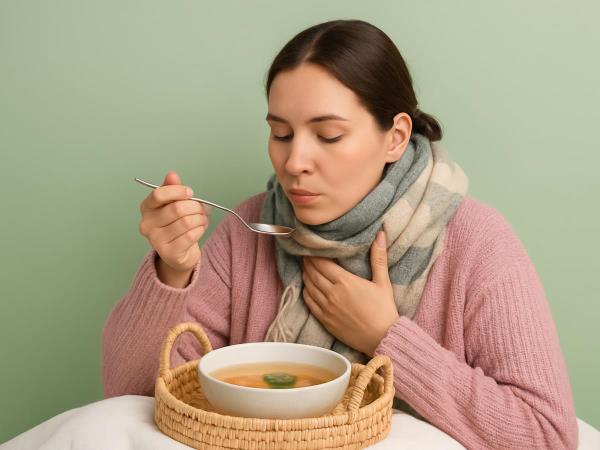
This is also the reason why chicken soup is one of the most recommended dishes for a cold. It digests quickly, warms the body, and gives it energy without effort.
In contrast, fried potatoes or fatty roast can only make the condition worse.
Many people also believe that alcohol disinfects the body. Although alcohol does disinfect surfaces, in the body it acts very differently. Even a small amount can weaken the immune system, cause dehydration (meaning we lose water), raise body temperature, and slow down the removal of mucus from the airways.
Mucus in this case is a sticky substance in the nose and throat that traps microbes and helps remove them from the body. If mucus is not expelled, people can develop secondary infections.
A 2022 study showed that alcohol reduces the body’s ability to expel mucus by 27%, and even more in people over 60.
Therefore, it's best to completely avoid alcohol during illness. Coffee has similar effects, as it also dehydrates a person.
Foods That Worsen a Sore Throat
When we have a sore throat, we often crave lemon, chili, or some other acidic food, thinking it will kill germs. In reality, this just makes things worse.
Acidic foods can damage the already sensitive mucous membrane and prolong the pain. The mucous membrane is the soft inner layer in the mouth and throat that protects us from microbes.
A scientific analysis from 2024 showed that the mucous membrane recovers 50% slower during a cold if a person eats acidic or very spicy food.
Therefore, the best way to treat a sore throat is with:
This was already known by old folk healers, who always recommended warm drinks, salt gargles, and mild tea.
Why Do We Need to Drink a Lot During Illness?
When the body is fighting an infection, it uses a huge amount of fluids. If we have a fever, fluid is lost even faster. According to the World Health Organization, during a fever you lose as much as 0.4 liters of water per every 1 degree above 37 degrees Celsius.
If a person has a fever of 38.5 degrees Celsius, that means they lose almost 0.7 liters more water than normal.
Therefore, experts recommend that adults drink about three liters of fluid per day during a cold. Folk medicine adds: drink in sips so as not to burden the body.
The Best Foods for Faster Recovery
When immunity is depleted, proper food can reactivate it. The most recommended foods are those rich in vitamins, minerals, and natural anti-inflammatory substances. Research from 2020–2024 has shown that omega-3 fatty acids reduce inflammation by about 25–30%, vitamin D by 20%, and vitamin C shortens the duration of a cold by 8–14%.
Therefore, extremely beneficial foods are:
Garlic and onion are real folk remedies. Garlic contains a substance called allicin, which has a natural antimicrobial effect (meaning it works against microbes). A 2021 study showed that regular garlic consumption reduces the frequency of colds by about 30%.
Fermented foods, such as sauerkraut, kefir, or homemade yogurt, help the gut, where about 70% of the immune system starts.
If you want to strengthen immunity and shorten the course of illness, you should:
This is the cheapest way for faster recovery and better long-term resistance.
Illness Is Not a Time for Sugar, But for Healing Foods
Illness is always telling us something. Most often, it tells us that the body needs rest, warmth, and the right food. Sugar, alcohol, and fatty dishes may be comforting, but during a cold, they can do more harm than good. If you choose warm soups, tea, garlic, fermented foods, and vitamins, you’ll support your body the way our ancestors did.
All of this can be tried even before you get sick.
Information on this website is for educational purposes only and is not medical advice.
Why do some people never get sick, while others always do?
Researchers say there are two factors behind this:
- the strength of the immune system and
- the number of viruses we’ve been exposed to.
But regardless of how much experience our immune system has, experts emphasize something that every grandma used to know: our resistance is most determined by our lifestyle, especially our diet.
And this is exactly where people often make mistakes with food. When we get sick, we reach for exactly what most quickly worsens our condition.
Sugar – Hidden Food for Bacteria That Worsens the Flu and Prolongs a Cold
When we are sick, the body uses up a lot of energy. It's natural to want something sweet for a quick energy boost. But this is where the problem starts. Sugar is actually ideal food for bacteria and fungi. Although it seems sweet and innocent, it causes real chaos in the body.
When we eat sugar, bacteria in the mouth, intestines, and even in the respiratory tract begin to multiply faster. Sugar is like an endless feast for them. When there are more bacteria, the body needs more time and energy to control them. Thus, a viral infection that would last 3–5 days can turn into a long-lasting illness of 8–14 days.
According to a Yale University study from 2021, sugar in a patient with a respiratory infection increases inflammation in the body by up to 45%. This means that the body sweats, tires, and swells more than necessary. Another study from 2023 showed that sugar can reduce the effectiveness of white blood cells—our body’s soldiers—by up to 40% during the first hours after eating sweet food.
It’s important to note that the body tries to repair the damage caused by inflammation, making tissues swell, heat up, and hurt. When this happens in the respiratory tract, it's harder to cough, swallow, and breathe. That's why sugar is not just forbidden during illness, it's also food that prolongs the disease.
Why Does Fatty and Heavy Food Weaken the Body When It’s Already Exhausted?
When we eat something fatty, the body uses a lot of energy to digest it. Energy is crucial when sick. A 2020 study showed that the body uses 30% more oxygen and 20% more energy when digesting fatty food compared to a light soup or vegetables. This means that energy that could be used for healing is spent by the stomach on the wrong things...
This is also the reason why chicken soup is one of the most recommended dishes for a cold. It digests quickly, warms the body, and gives it energy without effort.
In contrast, fried potatoes or fatty roast can only make the condition worse.
Many people also believe that alcohol disinfects the body. Although alcohol does disinfect surfaces, in the body it acts very differently. Even a small amount can weaken the immune system, cause dehydration (meaning we lose water), raise body temperature, and slow down the removal of mucus from the airways.
Mucus in this case is a sticky substance in the nose and throat that traps microbes and helps remove them from the body. If mucus is not expelled, people can develop secondary infections.
A 2022 study showed that alcohol reduces the body’s ability to expel mucus by 27%, and even more in people over 60.
Therefore, it's best to completely avoid alcohol during illness. Coffee has similar effects, as it also dehydrates a person.
Foods That Worsen a Sore Throat
When we have a sore throat, we often crave lemon, chili, or some other acidic food, thinking it will kill germs. In reality, this just makes things worse.
Acidic foods can damage the already sensitive mucous membrane and prolong the pain. The mucous membrane is the soft inner layer in the mouth and throat that protects us from microbes.
A scientific analysis from 2024 showed that the mucous membrane recovers 50% slower during a cold if a person eats acidic or very spicy food.
Therefore, the best way to treat a sore throat is with:
- lukewarm drinks,
- honey,
- sage tea (sage is known to have a natural antimicrobial effect),
- soft food that doesn’t scratch.
This was already known by old folk healers, who always recommended warm drinks, salt gargles, and mild tea.
Why Do We Need to Drink a Lot During Illness?
When the body is fighting an infection, it uses a huge amount of fluids. If we have a fever, fluid is lost even faster. According to the World Health Organization, during a fever you lose as much as 0.4 liters of water per every 1 degree above 37 degrees Celsius.
If a person has a fever of 38.5 degrees Celsius, that means they lose almost 0.7 liters more water than normal.
Therefore, experts recommend that adults drink about three liters of fluid per day during a cold. Folk medicine adds: drink in sips so as not to burden the body.
The Best Foods for Faster Recovery
When immunity is depleted, proper food can reactivate it. The most recommended foods are those rich in vitamins, minerals, and natural anti-inflammatory substances. Research from 2020–2024 has shown that omega-3 fatty acids reduce inflammation by about 25–30%, vitamin D by 20%, and vitamin C shortens the duration of a cold by 8–14%.
Therefore, extremely beneficial foods are:
- fatty fish (sardines, salmon, mackerel),
- walnuts and flaxseed,
- Brazil nuts (just 1–2 per day is enough for selenium),
- eggs,
- bran,
- unrefined oils (unrefined means the oil hasn’t been treated with chemicals and retains more nutrients).
Garlic and onion are real folk remedies. Garlic contains a substance called allicin, which has a natural antimicrobial effect (meaning it works against microbes). A 2021 study showed that regular garlic consumption reduces the frequency of colds by about 30%.
Fermented foods, such as sauerkraut, kefir, or homemade yogurt, help the gut, where about 70% of the immune system starts.
If you want to strengthen immunity and shorten the course of illness, you should:
- Avoid sugar, alcohol, heavy and fatty foods.
- Drink more – three liters a day, in sips.
- Use folk remedies: warm tea, sage, honey, garlic, onion, soup.
- Eat food that nourishes, not burdens, the body.
This is the cheapest way for faster recovery and better long-term resistance.
Illness Is Not a Time for Sugar, But for Healing Foods
Illness is always telling us something. Most often, it tells us that the body needs rest, warmth, and the right food. Sugar, alcohol, and fatty dishes may be comforting, but during a cold, they can do more harm than good. If you choose warm soups, tea, garlic, fermented foods, and vitamins, you’ll support your body the way our ancestors did.
All of this can be tried even before you get sick.
Information on this website is for educational purposes only and is not medical advice.
Author:
Zvone Stor
expert, nutritionist
expert, nutritionist
 Would you like to be informed about news on the website?
Just enter your e-mail
Cold-fighting foods
Immune system strength
Sugar impact on infections
Healing foods for illness
Avoiding sugar during illness
Latest news

Why Do You Always Wake Up at the Same Time? Your Body Might Be Trying to Tell You Something
Read more >>

French Fries and Your Brain: What an 11-Year Study of 140,000 People Found About Fried Food and Mood
Read more >>
Selenium: The Tiny Mineral Your Body Can't Live Without — And Can Absolutely Have Too Much Of
Read more >>
A Spoonful of Coconut Oil on an Empty Stomach: The Quiet Morning Habit So Many People Swear By
Read more >>


Anemia on Your Plate: The Everyday Foods Quietly Helping — Or Sabotaging — Your Iron Levels
Read more >>

Why the Humble Egg Might Just Be Your Diet's Secret Weapon: 5 Reasons Nutritionists Keep Coming Back To
Read more >>


Yogurt, Banana or Citrus for Breakfast? Why Some "Healthy" Foods Can Backfire on an Empty Stomach
Read more >>



Why the Scale Won't Budge, Even On a Diet: The Overlooked Mineral Almost Nobody Talks About
Read more >>


Interaktive Widgets:
|

